From historic win to leadership crisis: Why UK PM Keir Starmer quit in 2 years
Keir Starmer has resigned as UK Prime Minister and Labour leader after mounting pressure within his party. His exit caps months of criticism over the economy, public services, immigration and his government's judgement.
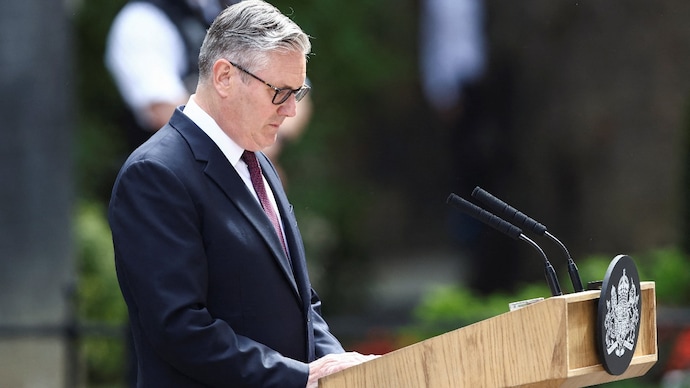
After more than a month of mounting pressure from within his own party, Keir Starmer resigned as the Labour Party leader and detailed plans to step down from the post of the UK's Prime Minister. Starmer's announcement that he would step down as PM once his successor was in place comes just two years after leading the party to a historic election victory.
In an emotional resignation speech delivered outside 10 Downing Street with his wife Victoria by his side, Starmer said he accepted the "judgement of his parliamentary colleagues" and would ensure an orderly transfer of power. He thanked his wife, calling her a “rock”, and spoke about wanting to be the best father to his children.
The resignation makes Starmer the sixth UK Prime Minister to leave office in the last decade, highlighting the political instability that has gripped Britain since the country's fateful referedum to leave the European Union, a development widely known as 'Brexit'.
WHAT LED TO STARMER'S DOWNFALL
Starmer’s exit comes after months of political pressure, falling public support and criticism over his government’s handling of key issues including the economy, public services and immigration.
Labour had won a landslide victory in July 2024, but the party’s popularity declined sharply as Starmer struggled to deliver promised economic growth, ease the cost-of-living crisis and address concerns over strained public services.
Starmer struggled to define a clear direction for his government.
Voters and some Labour insiders increasingly accused him of lacking a bigger vision, with critics saying he focused on what was achievable rather than presenting a clear picture of the Britain he wanted to build.
His government faced repeated challenges over economic growth, the cost of living, public services and immigration.
Promises to improve the economy and reduce illegal migration became major pressure points as results failed to match expectations.
One of the biggest setbacks for Starmer was the controversy surrounding his appointment of Peter Mandelson as the UK ambassador to the US.
The decision triggered criticism over Mandelson’s past links to convicted sex offender Jeffrey Epstein, with opponents questioning the judgement behind the appointment.
Mandelson was removed as UK ambassador in September last year after a Justice Department investigation brought renewed scrutiny to his relationship with Epstein.
Previously unseen emails revealed that the two had remained in contact for years, including after Epstein’s 2008 conviction, with some messages showing Mandelson expressing support for Epstein.
Meanwhile, Starmer’s relationship with US President Donald Trump also deteriorated over time. While the two leaders initially maintained a working relationship, tensions grew over issues including the Iran conflict, after Britain chose not to join US military action.
Trump criticised Starmer even before his resignation was confirmed, saying the UK leader had failed on immigration and energy policies.
“Keir Starmer will resign as Prime Minister of The United Kingdom. He failed badly on two very important subjects — IMMIGRATION AND ENERGY (OPEN NORTH SEA OIL!),” Trump said in a post on Truth Social.
By the end of his premiership, Starmer faced criticism over policy reversals, communication failures and an inability to connect with voters.
Even some allies privately urged him to allow a smooth transition rather than force a leadership battle.
POSSIBLE SUCCESSORS
Attention is now turning to possible successors, with Greater Manchester Mayor Andy Burnham emerging as a potential contender.
Burnham recently won a by-election to become a Member of Parliament from Makerfield, securing nearly 55% of the vote.
Despite growing pressure, Starmer had previously insisted he would fight any leadership challenge, saying: “I will run, I will stand” if a Labour leadership contest takes place.
While discussions are underway within Labour over the pace of the transition and whether potential contenders should reach a consensus agreement instead of triggering a lengthy leadership contest, t timeline for a leadership change remains unclear.
After more than a month of mounting pressure from within his own party, Keir Starmer resigned as the Labour Party leader and detailed plans to step down from the post of the UK's Prime Minister. Starmer's announcement that he would step down as PM once his successor was in place comes just two years after leading the party to a historic election victory.
In an emotional resignation speech delivered outside 10 Downing Street with his wife Victoria by his side, Starmer said he accepted the "judgement of his parliamentary colleagues" and would ensure an orderly transfer of power. He thanked his wife, calling her a “rock”, and spoke about wanting to be the best father to his children.
The resignation makes Starmer the sixth UK Prime Minister to leave office in the last decade, highlighting the political instability that has gripped Britain since the country's fateful referedum to leave the European Union, a development widely known as 'Brexit'.
WHAT LED TO STARMER'S DOWNFALL
Starmer’s exit comes after months of political pressure, falling public support and criticism over his government’s handling of key issues including the economy, public services and immigration.
Labour had won a landslide victory in July 2024, but the party’s popularity declined sharply as Starmer struggled to deliver promised economic growth, ease the cost-of-living crisis and address concerns over strained public services.
Starmer struggled to define a clear direction for his government.
Voters and some Labour insiders increasingly accused him of lacking a bigger vision, with critics saying he focused on what was achievable rather than presenting a clear picture of the Britain he wanted to build.
His government faced repeated challenges over economic growth, the cost of living, public services and immigration.
Promises to improve the economy and reduce illegal migration became major pressure points as results failed to match expectations.
One of the biggest setbacks for Starmer was the controversy surrounding his appointment of Peter Mandelson as the UK ambassador to the US.
The decision triggered criticism over Mandelson’s past links to convicted sex offender Jeffrey Epstein, with opponents questioning the judgement behind the appointment.
Mandelson was removed as UK ambassador in September last year after a Justice Department investigation brought renewed scrutiny to his relationship with Epstein.
Previously unseen emails revealed that the two had remained in contact for years, including after Epstein’s 2008 conviction, with some messages showing Mandelson expressing support for Epstein.
Meanwhile, Starmer’s relationship with US President Donald Trump also deteriorated over time. While the two leaders initially maintained a working relationship, tensions grew over issues including the Iran conflict, after Britain chose not to join US military action.
Trump criticised Starmer even before his resignation was confirmed, saying the UK leader had failed on immigration and energy policies.
“Keir Starmer will resign as Prime Minister of The United Kingdom. He failed badly on two very important subjects — IMMIGRATION AND ENERGY (OPEN NORTH SEA OIL!),” Trump said in a post on Truth Social.
By the end of his premiership, Starmer faced criticism over policy reversals, communication failures and an inability to connect with voters.
Even some allies privately urged him to allow a smooth transition rather than force a leadership battle.
POSSIBLE SUCCESSORS
Attention is now turning to possible successors, with Greater Manchester Mayor Andy Burnham emerging as a potential contender.
Burnham recently won a by-election to become a Member of Parliament from Makerfield, securing nearly 55% of the vote.
Despite growing pressure, Starmer had previously insisted he would fight any leadership challenge, saying: “I will run, I will stand” if a Labour leadership contest takes place.
While discussions are underway within Labour over the pace of the transition and whether potential contenders should reach a consensus agreement instead of triggering a lengthy leadership contest, t timeline for a leadership change remains unclear.

