Mojtaba Khamenei won't attend father's funeral: Iran Supreme Leader's aide
In an exclusive interview with India Today, Ayatollah Hakim Elahi said the decision was driven by security concerns as tensions with Israel remain high ahead of the state funeral.
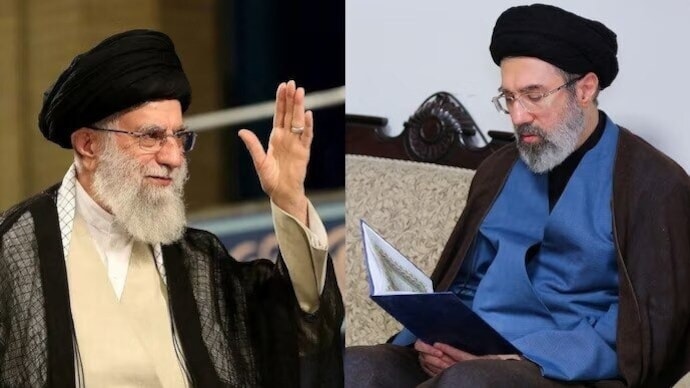
Mojtaba Khamenei is unlikely to appear publicly at the funeral of his father, Iran's late Supreme Leader Ayatollah Ali Khamenei, because authorities cannot guarantee his safety, the Supreme Leader's Representative in India, Ayatollah Hakim Elahi, said in an exclusive interview with India Today.
Speaking to India Today before departing for Tehran from New Delhi's Indira Gandhi International Airport, Elahi said the decision was being driven entirely by security concerns as Iran prepares for a week of funeral ceremonies under the shadow of heightened tensions with Israel.
"I was in Iran last week and met some of my friends who met him. They said he wants to come out. He wants to meet people. But the security doesn't allow him to come," Elahi said.
"They said 'it is very dangerous and we cannot provide security for him'. I think he will not come out," he added.
IRAN PREPARES TO BURY LATE SUPREME LEADER
His remarks come as Iran's ruling clerics are preparing days of mass funeral rites for Ayatollah Ali Khamenei as a show of public devotion to the Islamic Republic and proof that its revolutionary fervor still burns strong. He was killed by US and Israeli strikes in their first attack of the war.
Describing the sentiments inside Iran, Elahi said the country had been in mourning since Khamenei's death, with many supporters viewing the loss as one that could never be replaced.
"It is a very, very big loss for them. They think they have lost their spirit, their soul. They believe nothing can replace him," he said.
Elahi said people from across Iran and abroad were travelling to attend the funeral ceremonies and express solidarity with the late leader.
"They are coming to show their solidarity and to say that we are with you, we will never forget you and we will follow your path," he said.
The funeral ceremonies will draw massive crowds as a show of support for the Islamic Republic following the war. The mourning events are expected to stretch over several days, with processions planned in multiple cities before Khamenei is laid to rest.
ELAHI SAYS IRAN EMERGED STRONGER
Asked about Israel's threats of further military action, Elahi argued that Iran had emerged from the conflict in a stronger position.
"A lot of countries were praising Iran and saying Iran won the war. Iran still is very strong and is ready to stand up," he said.
The funeral is taking place amid continued regional tensions, with Iran maintaining that international participation will go ahead despite the security situation.
Iran had invited Congress president Mallikarjun Kharge and former External Affairs Minister Salman Khurshid to attend the state funeral of former Supreme Leader Ayatollah Ali Khamenei. Khurshid will travel to Tehran on behalf of the Congress and carry a condolence letter from Kharge.
SALMAN KHURSHID CALLS VISIT A DUTY
Explaining the significance of his visit to Tehran, Khurshid said India and Iran share a long-standing relationship that should be reflected during difficult times.
"It is important for India because during the war, many questions were raised about who is with whom and how much is he with them. In bad times, it is a duty of a person to support his friend. It is a duty of any country," Khurshid told India Today.
Recalling Iran's support for India during past diplomatic challenges, he said, "When we had a problem with Pakistan, I went to Geneva with Mr. Atal Bihari Bajpayee. At that time, Iran supported us very openly."
Khurshid acknowledged that India's ties with countries including the United States and Israel sometimes complicate its relationship with Tehran but said Iran had never complained about New Delhi's position.
"I have this feeling that Iran has supported India from a big distance," he said, adding that Iran also helped ensure the safe passage of Indian ships through the Strait of Hormuz during the recent conflict.
Describing the visit as both diplomatic and humanitarian, Khurshid said India should stand with Iran during its time of mourning.
"Today, in their sympathy, and at the time of their grief, we can go and share their grief," he said.
He added that the Congress party immediately accepted Iran's invitation and entrusted him with representing the party.
"So Mr. Kharge has written a letter. I will take that letter and send it to the host there," Khurshid said.
FUNERAL MARKS A DEFINING MOMENT
The funeral of Ayatollah Ali Khamenei marks one of the most consequential moments in the Islamic Republic's 47-year history. Khamenei, who led Iran for decades, was killed in US and Israeli strikes during the opening phase of the recent conflict, triggering a leadership transition and a week of nationwide mourning.
Iran's clerical leadership is preparing several days of funeral ceremonies in Tehran, followed by processions in Qom and Mashhad and memorial events in Iraq.
Khamenei's death has sparked nationwide mourning rooted in the Shi'ite tradition of commemorating martyrs. Black funeral banners have been draped across cities, while religious gatherings have been held throughout the country, with many invoking the martyrdom of Imam Hossein, one of the most revered figures in Shi'ite Islam.
In Iran's political system, Khamenei was not only the country's highest political authority but also the supreme religious leader, regarded by many followers as the representative of Shi'ite Islam's 12th Imam. His death in an enemy attack has added powerful religious symbolism to the funeral.
Mojtaba Khamenei is unlikely to appear publicly at the funeral of his father, Iran's late Supreme Leader Ayatollah Ali Khamenei, because authorities cannot guarantee his safety, the Supreme Leader's Representative in India, Ayatollah Hakim Elahi, said in an exclusive interview with India Today.
Speaking to India Today before departing for Tehran from New Delhi's Indira Gandhi International Airport, Elahi said the decision was being driven entirely by security concerns as Iran prepares for a week of funeral ceremonies under the shadow of heightened tensions with Israel.
"I was in Iran last week and met some of my friends who met him. They said he wants to come out. He wants to meet people. But the security doesn't allow him to come," Elahi said.
"They said 'it is very dangerous and we cannot provide security for him'. I think he will not come out," he added.
IRAN PREPARES TO BURY LATE SUPREME LEADER
His remarks come as Iran's ruling clerics are preparing days of mass funeral rites for Ayatollah Ali Khamenei as a show of public devotion to the Islamic Republic and proof that its revolutionary fervor still burns strong. He was killed by US and Israeli strikes in their first attack of the war.
Describing the sentiments inside Iran, Elahi said the country had been in mourning since Khamenei's death, with many supporters viewing the loss as one that could never be replaced.
"It is a very, very big loss for them. They think they have lost their spirit, their soul. They believe nothing can replace him," he said.
Elahi said people from across Iran and abroad were travelling to attend the funeral ceremonies and express solidarity with the late leader.
"They are coming to show their solidarity and to say that we are with you, we will never forget you and we will follow your path," he said.
The funeral ceremonies will draw massive crowds as a show of support for the Islamic Republic following the war. The mourning events are expected to stretch over several days, with processions planned in multiple cities before Khamenei is laid to rest.
ELAHI SAYS IRAN EMERGED STRONGER
Asked about Israel's threats of further military action, Elahi argued that Iran had emerged from the conflict in a stronger position.
"A lot of countries were praising Iran and saying Iran won the war. Iran still is very strong and is ready to stand up," he said.
The funeral is taking place amid continued regional tensions, with Iran maintaining that international participation will go ahead despite the security situation.
Iran had invited Congress president Mallikarjun Kharge and former External Affairs Minister Salman Khurshid to attend the state funeral of former Supreme Leader Ayatollah Ali Khamenei. Khurshid will travel to Tehran on behalf of the Congress and carry a condolence letter from Kharge.
SALMAN KHURSHID CALLS VISIT A DUTY
Explaining the significance of his visit to Tehran, Khurshid said India and Iran share a long-standing relationship that should be reflected during difficult times.
"It is important for India because during the war, many questions were raised about who is with whom and how much is he with them. In bad times, it is a duty of a person to support his friend. It is a duty of any country," Khurshid told India Today.
Recalling Iran's support for India during past diplomatic challenges, he said, "When we had a problem with Pakistan, I went to Geneva with Mr. Atal Bihari Bajpayee. At that time, Iran supported us very openly."
Khurshid acknowledged that India's ties with countries including the United States and Israel sometimes complicate its relationship with Tehran but said Iran had never complained about New Delhi's position.
"I have this feeling that Iran has supported India from a big distance," he said, adding that Iran also helped ensure the safe passage of Indian ships through the Strait of Hormuz during the recent conflict.
Describing the visit as both diplomatic and humanitarian, Khurshid said India should stand with Iran during its time of mourning.
"Today, in their sympathy, and at the time of their grief, we can go and share their grief," he said.
He added that the Congress party immediately accepted Iran's invitation and entrusted him with representing the party.
"So Mr. Kharge has written a letter. I will take that letter and send it to the host there," Khurshid said.
FUNERAL MARKS A DEFINING MOMENT
The funeral of Ayatollah Ali Khamenei marks one of the most consequential moments in the Islamic Republic's 47-year history. Khamenei, who led Iran for decades, was killed in US and Israeli strikes during the opening phase of the recent conflict, triggering a leadership transition and a week of nationwide mourning.
Iran's clerical leadership is preparing several days of funeral ceremonies in Tehran, followed by processions in Qom and Mashhad and memorial events in Iraq.
Khamenei's death has sparked nationwide mourning rooted in the Shi'ite tradition of commemorating martyrs. Black funeral banners have been draped across cities, while religious gatherings have been held throughout the country, with many invoking the martyrdom of Imam Hossein, one of the most revered figures in Shi'ite Islam.
In Iran's political system, Khamenei was not only the country's highest political authority but also the supreme religious leader, regarded by many followers as the representative of Shi'ite Islam's 12th Imam. His death in an enemy attack has added powerful religious symbolism to the funeral.

