No meetings scheduled at any level: Iran denies Doha talks announced by Trump
Iran's Foreign Ministry said an Iranian technical delegation would travel to Qatar this week, but stressed that the visit had no connection to American officials expected in Doha.
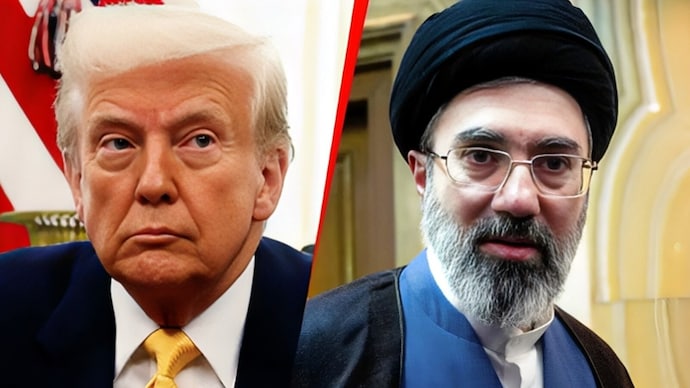
Hours after US President Donald Trump announced that American and Iranian delegation would meet in Doha on Tuesday, Iran said that no talks with Washington were scheduled in the coming days, exposing a dangerous new rift over the fragile peace agreement.
The conflicting statements exposed fresh uncertainty over the future of US-Iran diplomacy, just days after both sides traded fresh accusations of violating a ceasefire reached under a memorandum of understanding (MoU) aimed at ending months of conflict.
Iran's Foreign Ministry said an Iranian technical delegation would travel to Qatar this week, but stressed that the visit had no connection to American officials expected in Doha.
IRAN RULES OUT IMMINENT TALKS
Foreign Ministry spokesperson Esmaeil Baghaei said Tehran had not scheduled any negotiations with Washington in the coming days and remained focused on implementing the terms of the MoU before discussing a broader agreement.
"No talks between Iran and the United States are scheduled in the coming days," Baghaei said in a statement.
He added that the Iranian delegation's visit to Qatar "has no relation to US officials visiting the country."
Baghaei also said negotiations on a final agreement had not yet begun because Iran's immediate priority was implementing key provisions of the memorandum of understanding.
TRUMP ANNOUNCES DOHA MEETING
Iran's statement came hours after Trump announced that a meeting with Iranian officials would take place in the Qatari capital.
In a post on Truth Social, the US President said Tehran had requested the talks.
"Iran has requested a meeting. It will take place tomorrow in Doha," Trump wrote, without providing further details about the planned discussions.
The White House later confirmed that Special Envoy Steve Witkoff and Jared Kushner would travel to Doha for high-level meetings.
Speaking to Fox News, White House press secretary Karoline Leavitt said discussions would continue as Washington sought to advance implementation of the memorandum.
"Special Envoy Witkoff and Jared Kushner will be flying to Doha for high-level meetings this week, as we continue to discuss the memorandum of understanding. On the sidelines of those high-level talks, will be the technical talks," she said.
FRAGILE PEACE UNDER PRESSURE
The diplomatic uncertainty comes as the US and Iran attempt to preserve a 14-point memorandum of understanding signed on June 17 to end four months of fighting.
Under the agreement, both countries committed to halt hostilities and reopen Strait of Hormuz. However, the accord has come under increasing strain following a series of exchanges over the weekend.
Tensions escalated after an Iranian projectile struck a commercial cargo vessel in the Strait of Hormuz on Thursday. Since then, Washington and Tehran have accused each other of violating the ceasefire through retaliatory military action.
Despite the renewed tensions, the Trump administration said it remained committed to keeping the peace process alive.
US WARNS AGAINST FURTHER ATTACKS
Leavitt said Washington believed it had complied with the ceasefire but warned that any further attacks would trigger a response.
"As far as we're concerned, we're holding up our end of the ceasefire. Violence will be met with violence," she said.
Referring to the recent attacks on commercial shipping, Leavitt added that the US would continue responding to threats while hoping diplomacy succeeds.
"There were attacks on commercial vessels that the United States of America, directed by the president, responded to, and that will continue to happen, but we hope we don't see that. The president obviously wants to see the peace process play out," she said.
Hours after US President Donald Trump announced that American and Iranian delegation would meet in Doha on Tuesday, Iran said that no talks with Washington were scheduled in the coming days, exposing a dangerous new rift over the fragile peace agreement.
The conflicting statements exposed fresh uncertainty over the future of US-Iran diplomacy, just days after both sides traded fresh accusations of violating a ceasefire reached under a memorandum of understanding (MoU) aimed at ending months of conflict.
Iran's Foreign Ministry said an Iranian technical delegation would travel to Qatar this week, but stressed that the visit had no connection to American officials expected in Doha.
IRAN RULES OUT IMMINENT TALKS
Foreign Ministry spokesperson Esmaeil Baghaei said Tehran had not scheduled any negotiations with Washington in the coming days and remained focused on implementing the terms of the MoU before discussing a broader agreement.
"No talks between Iran and the United States are scheduled in the coming days," Baghaei said in a statement.
He added that the Iranian delegation's visit to Qatar "has no relation to US officials visiting the country."
Baghaei also said negotiations on a final agreement had not yet begun because Iran's immediate priority was implementing key provisions of the memorandum of understanding.
TRUMP ANNOUNCES DOHA MEETING
Iran's statement came hours after Trump announced that a meeting with Iranian officials would take place in the Qatari capital.
In a post on Truth Social, the US President said Tehran had requested the talks.
"Iran has requested a meeting. It will take place tomorrow in Doha," Trump wrote, without providing further details about the planned discussions.
The White House later confirmed that Special Envoy Steve Witkoff and Jared Kushner would travel to Doha for high-level meetings.
Speaking to Fox News, White House press secretary Karoline Leavitt said discussions would continue as Washington sought to advance implementation of the memorandum.
"Special Envoy Witkoff and Jared Kushner will be flying to Doha for high-level meetings this week, as we continue to discuss the memorandum of understanding. On the sidelines of those high-level talks, will be the technical talks," she said.
FRAGILE PEACE UNDER PRESSURE
The diplomatic uncertainty comes as the US and Iran attempt to preserve a 14-point memorandum of understanding signed on June 17 to end four months of fighting.
Under the agreement, both countries committed to halt hostilities and reopen Strait of Hormuz. However, the accord has come under increasing strain following a series of exchanges over the weekend.
Tensions escalated after an Iranian projectile struck a commercial cargo vessel in the Strait of Hormuz on Thursday. Since then, Washington and Tehran have accused each other of violating the ceasefire through retaliatory military action.
Despite the renewed tensions, the Trump administration said it remained committed to keeping the peace process alive.
US WARNS AGAINST FURTHER ATTACKS
Leavitt said Washington believed it had complied with the ceasefire but warned that any further attacks would trigger a response.
"As far as we're concerned, we're holding up our end of the ceasefire. Violence will be met with violence," she said.
Referring to the recent attacks on commercial shipping, Leavitt added that the US would continue responding to threats while hoping diplomacy succeeds.
"There were attacks on commercial vessels that the United States of America, directed by the president, responded to, and that will continue to happen, but we hope we don't see that. The president obviously wants to see the peace process play out," she said.

