Pak Army gave guns to Kashmiris, call us terrorists: POK leader as protests spiral
POK protest leader Sardar Aman Khan accused Islamabad of hypocrisy for labelling activists as terrorists, as anti-government protests rage in the region.
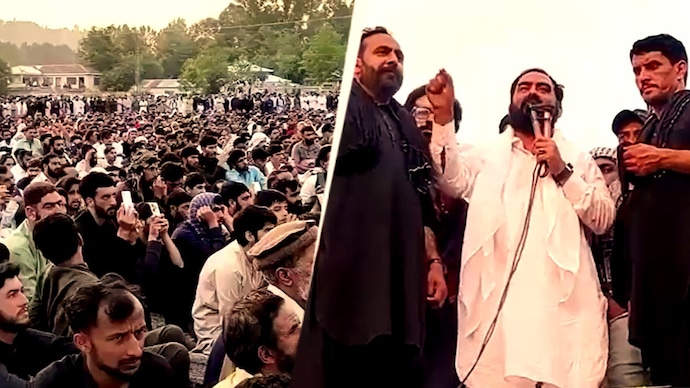
A prominent leader of the ongoing protest movement in Pakistan-occupied Kashmir (POK) has alleged that the Pakistan Army handed weapons to Kashmiris in the past and accused Islamabad of hypocrisy for branding local activists as terrorists. His comments came as anti-government demonstrations in the region entered their 24th day.
Addressing a gathering at Rawalakot Eidgah, Joint Awami Action Committee (JAAC) leader Sardar Aman Khan claimed that the Pakistan Army had itself supplied weapons to Kashmiris.
"They say they were terrorists. Look, it was the Pakistan Army that put guns into the hands of Kashmiris. Kashmiris had guns because the Pakistan Army gave them those guns. The entire Pakistan Army did it. And today, they have the audacity to call us terrorists?" Khan said while speaking before what organisers claimed was a crowd of more than 80,000 people.
The remarks are among the strongest public accusations made by leaders of the ongoing agitation against Pakistan's policies in the region. Khan also alleged links between the local administration and militant organisations, claiming that authorities had facilitated a public event by the banned terror outfit Jaish-e-Mohammed in Rawalakot earlier this year.
According to Khan, the Deputy Commissioner of Rawalakot had permitted the event and provided security arrangements while armed cadres marched through the city carrying assault rifles and swords. The claims could not be independently verified.
The speech drew repeated applause from the large gathering, underscoring growing public support for the movement, which has been pressing authorities over a list of political, economic and governance-related demands.
The JAAC leadership also warned Islamabad, demanding that the government accept and implement the movement's 38-point charter through negotiations. The leaders said that failure to do so could trigger a mass march towards Muzaffarabad, the capital of POK.
They further warned that if such a march takes place, the movement's agenda could expand beyond its existing demands to include calls for Pakistan to completely withdraw from POK.
The latest remarks come amid continuing protests across POK, where demonstrators have been demanding greater rights, economic relief and administrative reforms. The movement has emerged as one of the most significant challenges to Pakistan's authority in the region in recent years.
Led primarily by the Joint Awami Action Committee (JAAC), thousands of citizens, including families and students, have hit the streets to march against skyrocketing electricity bills, a lack of subsidised wheat and chronic inflation. The unrest has quickly shifted from simple economic grievances to a broader structural movement, with demonstrators fiercely demanding greater local accountability, fair resource allocation and governance reforms from Islamabad.
However, the Pakistan administration responded with a heavy hand, further inflaming the situation and pushing the region into greater volatility. In cities such as Rawalakot and Muzaffarabad, clashes between heavily deployed police forces and demonstrators have turned deadly, resulting in multiple fatalities and dozens of injuries.
A prominent leader of the ongoing protest movement in Pakistan-occupied Kashmir (POK) has alleged that the Pakistan Army handed weapons to Kashmiris in the past and accused Islamabad of hypocrisy for branding local activists as terrorists. His comments came as anti-government demonstrations in the region entered their 24th day.
Addressing a gathering at Rawalakot Eidgah, Joint Awami Action Committee (JAAC) leader Sardar Aman Khan claimed that the Pakistan Army had itself supplied weapons to Kashmiris.
"They say they were terrorists. Look, it was the Pakistan Army that put guns into the hands of Kashmiris. Kashmiris had guns because the Pakistan Army gave them those guns. The entire Pakistan Army did it. And today, they have the audacity to call us terrorists?" Khan said while speaking before what organisers claimed was a crowd of more than 80,000 people.
The remarks are among the strongest public accusations made by leaders of the ongoing agitation against Pakistan's policies in the region. Khan also alleged links between the local administration and militant organisations, claiming that authorities had facilitated a public event by the banned terror outfit Jaish-e-Mohammed in Rawalakot earlier this year.
According to Khan, the Deputy Commissioner of Rawalakot had permitted the event and provided security arrangements while armed cadres marched through the city carrying assault rifles and swords. The claims could not be independently verified.
The speech drew repeated applause from the large gathering, underscoring growing public support for the movement, which has been pressing authorities over a list of political, economic and governance-related demands.
The JAAC leadership also warned Islamabad, demanding that the government accept and implement the movement's 38-point charter through negotiations. The leaders said that failure to do so could trigger a mass march towards Muzaffarabad, the capital of POK.
They further warned that if such a march takes place, the movement's agenda could expand beyond its existing demands to include calls for Pakistan to completely withdraw from POK.
The latest remarks come amid continuing protests across POK, where demonstrators have been demanding greater rights, economic relief and administrative reforms. The movement has emerged as one of the most significant challenges to Pakistan's authority in the region in recent years.
Led primarily by the Joint Awami Action Committee (JAAC), thousands of citizens, including families and students, have hit the streets to march against skyrocketing electricity bills, a lack of subsidised wheat and chronic inflation. The unrest has quickly shifted from simple economic grievances to a broader structural movement, with demonstrators fiercely demanding greater local accountability, fair resource allocation and governance reforms from Islamabad.
However, the Pakistan administration responded with a heavy hand, further inflaming the situation and pushing the region into greater volatility. In cities such as Rawalakot and Muzaffarabad, clashes between heavily deployed police forces and demonstrators have turned deadly, resulting in multiple fatalities and dozens of injuries.

