What US wants to achieve by invading Kharg island
Why are the US and Israel targeting Kharg island? By seizing or crippling Kharg, the US aims to starve Iran of oil revenue, force concessions on its nuclear programme and regional influence. But the gamble risks spiralling oil prices and a wider regional war.
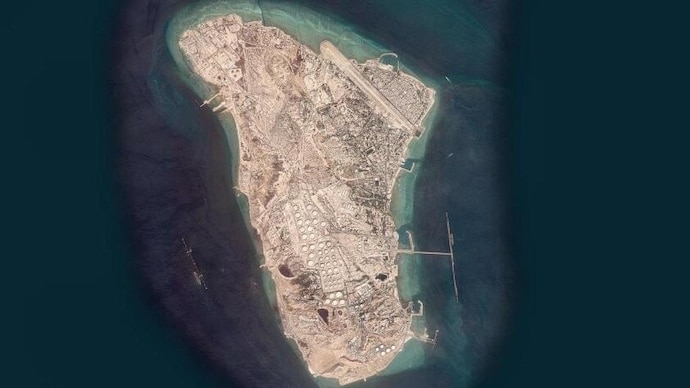
A day after Iran rejected a fresh US ceasefire proposal to end the month-long war, reports emerged of new strikes on Iran's strategic oil hub, Kharg Island, according to the country's semi-official Mehr News on Tuesday. The strikes were reportedly carried out by Israel. But putting boots on the ground in Kharg, which would be highly risky, has often been discussed by experts. But what is the ultimate goal of taking over or crippling Kharg island?
The targeting of Kharg comes as US President Donald Trump is reportedly weighing bolder steps, including seizing control of Iran's key oil infrastructure to gain economic leverage. Betting platform Polymarket reported of growing market speculation on Tuesday that the Trump administration sees Iran's oil sector as a pressure point.
Reports of Kharg being bombed came even as Trump's deadline for Iran to accept a peace deal was about to expire at 7 am on April 8 (Wednesday) IST.
WHAT IS THE SIGNIFICANCE OF KHARG ISLAND FOR IRAN?
Kharg Island, a small coral outcrop about 24 km off Iran's mainland in the Persian Gulf, serves as the country's primary oil export terminal. It handles around 90% of Iran's crude oil exports, with storage capacity of roughly 30 million barrels and the ability to load up to 6 million barrels per day onto tankers. Iran produces about 3% of global oil, and disruptions here could ripple far beyond its borders.
Analysts have said by controlling or severely damaging Kharg, the US could aim to choke off Iran's main source of revenue.
For Iran's economy, which is already in tatters due to American sanctions, Kharg is a lifeline.
By disrupting exports, the US could cripple the Iranian economy and force a very defiant Tehran to the negotiating table, and limit funds for its military and regional proxies.
WHAT THE US COULD ACHIEVE BY INVADING OR CRIPPLING KHARG
Earlier this month, US forces conducted large-scale precision strikes on over 90 military targets on the island while deliberately sparing the oil facilities, according to statements from President Trump and US Central Command. Trump described the action as "totally obliterated" military sites but left economic infrastructure intact "for reasons of decency".
In late March, as US Marines and elements of the 82nd Airborne Division were mobilised in the Middle East, political scientist Annelle Rodriguez Sheline told podcast host Mario Nawfal that the troop movements signalled possible plans for a ground operation. Seizing Kharg could allow the US to physically control or blockade the terminal, directly cutting Iran's ability to sell oil on the global market.
Without oil revenue flowing through Kharg, Iran's economy would face even greater strain amid existing sanctions and wartime disruption. This pressure could compel Iran to reopen the Strait of Hormuz, through which about 20% of the world's oil passes, or make broader concessions on its nuclear programme and regional activities.
WHY ANY ATTACK ON KHARG IS HIGHLY RISKY FOR MIDDLE EAST?
However, any move to attack or take over Kharg carries high risks.
Iran has warned it could retaliate by targeting tankers or Gulf energy sites, showing that even one successful strike on shipping could demonstrate its ability to disrupt the Strait of Hormuz. A full invasion or prolonged occupation of Kharg would likely escalate the conflict, raise global oil prices further, and complicate efforts to stabilise energy markets already strained by the war.
The IRGC has already threatened a full-blown escalation in the Middle East if any Iranian infrastructure was targeted.
"We will target the infrastructure of the US and its allies so that the US and its allies will be deprived of the region's oil and gas for years to come," the IRGC said. "The US regional partners should also know that until today, due to good neighborliness, we have exercised great restraint and had considerations in choosing retaliatory targets, but from now on all these considerations have been removed."
Kharg Island has a historical precedent as a target. During the 1980s Iran-Iraq War, its facilities were heavily damaged, yet it remains the nerve centre of Iran's oil trade today.
As the conflict enters a critical phase in about 12 hours, when Trump's deadline ends, the focus on Kharg underscores Washington's strategy of using economic chokepoints to weaken the Iranian regime.
A day after Iran rejected a fresh US ceasefire proposal to end the month-long war, reports emerged of new strikes on Iran's strategic oil hub, Kharg Island, according to the country's semi-official Mehr News on Tuesday. The strikes were reportedly carried out by Israel. But putting boots on the ground in Kharg, which would be highly risky, has often been discussed by experts. But what is the ultimate goal of taking over or crippling Kharg island?
The targeting of Kharg comes as US President Donald Trump is reportedly weighing bolder steps, including seizing control of Iran's key oil infrastructure to gain economic leverage. Betting platform Polymarket reported of growing market speculation on Tuesday that the Trump administration sees Iran's oil sector as a pressure point.
Reports of Kharg being bombed came even as Trump's deadline for Iran to accept a peace deal was about to expire at 7 am on April 8 (Wednesday) IST.
WHAT IS THE SIGNIFICANCE OF KHARG ISLAND FOR IRAN?
Kharg Island, a small coral outcrop about 24 km off Iran's mainland in the Persian Gulf, serves as the country's primary oil export terminal. It handles around 90% of Iran's crude oil exports, with storage capacity of roughly 30 million barrels and the ability to load up to 6 million barrels per day onto tankers. Iran produces about 3% of global oil, and disruptions here could ripple far beyond its borders.
Analysts have said by controlling or severely damaging Kharg, the US could aim to choke off Iran's main source of revenue.
For Iran's economy, which is already in tatters due to American sanctions, Kharg is a lifeline.
By disrupting exports, the US could cripple the Iranian economy and force a very defiant Tehran to the negotiating table, and limit funds for its military and regional proxies.
WHAT THE US COULD ACHIEVE BY INVADING OR CRIPPLING KHARG
Earlier this month, US forces conducted large-scale precision strikes on over 90 military targets on the island while deliberately sparing the oil facilities, according to statements from President Trump and US Central Command. Trump described the action as "totally obliterated" military sites but left economic infrastructure intact "for reasons of decency".
In late March, as US Marines and elements of the 82nd Airborne Division were mobilised in the Middle East, political scientist Annelle Rodriguez Sheline told podcast host Mario Nawfal that the troop movements signalled possible plans for a ground operation. Seizing Kharg could allow the US to physically control or blockade the terminal, directly cutting Iran's ability to sell oil on the global market.
Without oil revenue flowing through Kharg, Iran's economy would face even greater strain amid existing sanctions and wartime disruption. This pressure could compel Iran to reopen the Strait of Hormuz, through which about 20% of the world's oil passes, or make broader concessions on its nuclear programme and regional activities.
WHY ANY ATTACK ON KHARG IS HIGHLY RISKY FOR MIDDLE EAST?
However, any move to attack or take over Kharg carries high risks.
Iran has warned it could retaliate by targeting tankers or Gulf energy sites, showing that even one successful strike on shipping could demonstrate its ability to disrupt the Strait of Hormuz. A full invasion or prolonged occupation of Kharg would likely escalate the conflict, raise global oil prices further, and complicate efforts to stabilise energy markets already strained by the war.
The IRGC has already threatened a full-blown escalation in the Middle East if any Iranian infrastructure was targeted.
"We will target the infrastructure of the US and its allies so that the US and its allies will be deprived of the region's oil and gas for years to come," the IRGC said. "The US regional partners should also know that until today, due to good neighborliness, we have exercised great restraint and had considerations in choosing retaliatory targets, but from now on all these considerations have been removed."
Kharg Island has a historical precedent as a target. During the 1980s Iran-Iraq War, its facilities were heavily damaged, yet it remains the nerve centre of Iran's oil trade today.
As the conflict enters a critical phase in about 12 hours, when Trump's deadline ends, the focus on Kharg underscores Washington's strategy of using economic chokepoints to weaken the Iranian regime.

