US launches strikes on Iran after attacks on 3 commercial ships in Strait of Hormuz
The United States launched military strikes on Iran after accusing Tehran of attacking three commercial vessels in the Strait of Hormuz, while Iranian media reported multiple explosions in southern Iran. The escalation followed projectile attacks on three tankers in the strategic waterway.
The United States launched a series of military strikes against Iran early Wednesday after accusing Tehran of attacking three commercial vessels transiting the Strait of Hormuz, while Iranian state media reported multiple explosions in southern parts of the country.
In a post on X, US Central Command said its forces had "begun launching a series of powerful strikes against Iran" to impose heavy costs for what it described as Iranian attacks on commercial shipping.
"The US strikes are in response to Iranian attacks on three commercial vessels that were transiting the Strait of Hormuz. Iran's demonstrated aggression was unwarranted, dangerous, and a clear violation of the ceasefire," US Central Command said.
Shortly after the announcement, Iranian state media reported a series of explosions in southern Iran. Iranian state media said the sound of seven explosions was heard in the southern city of Sirik. Iranian media also reported that six projectiles struck the Taheroui Pier area in Sirik.
Separately, Iranian media said explosions were also heard on Qeshm Island and in Bandar Abbas in southern Iran.
Iran's Press TV also reported that several explosions had been heard in the southern Iranian port city of Sirik. The broadcaster did not provide immediate details on the cause of the blasts or report any casualties or damage.
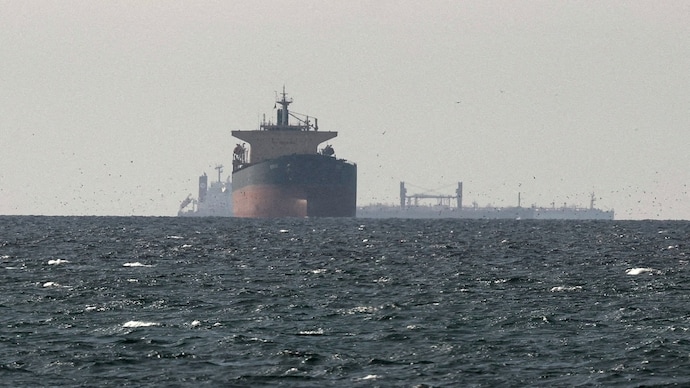
The US strikes followed attacks on three tankers in the Strait of Hormuz on Tuesday. The British military said three tankers were struck by projectiles in the strategic waterway.
The attacks marked the highest number of assaults in a single day since late April, according to the U.N. International Maritime Organisation. The fresh attacks threatened to disrupt shipping through the strait at a time when countries were seeking to restore normal maritime traffic and ease the global economic strain caused by the war.
Hours after the tanker attacks, the United States revoked a 60-day licence issued last month by the Treasury Department that had waived sanctions on Iranian oil.
A US official said Washington revoked the licence because Iran's actions in the Strait of Hormuz were unacceptable and required consequences. The official spoke to The Associated Press on condition of anonymity to explain the reasoning behind the decision.
The Iranian mission to the United Nations did not immediately respond to a request for comment.
According to the United Kingdom Maritime Trade Operations center, one tanker caught fire after projectiles struck it while it was sailing off the coast of Oman. Iranian state television said the liquefied natural gas tanker came under attack after ignoring warnings but did not directly claim responsibility for the assault.
The U.K. maritime agency said the other two ships sustained damage but continued their voyages, and no injuries were reported.
Tehran has repeatedly said that only its approved route through the Strait of Hormuz is safe. Iran is suspected of carrying out previous attacks on vessels using an alternative route closer to the Omani coast.
Location details released by the U.K. agency indicated that all three attacks took place off the coast of Oman or the neighboring United Arab Emirates, suggesting the vessels were sailing along the route near Oman.
The latest escalation comes as talks between the United States and Iran remain on hold.
The United States has sought to continue negotiations with Iran aimed at fully reopening the Strait of Hormuz, rolling back Tehran's disputed nuclear programme and securing a permanent end to the war that began on Feb. 28. However, the interim agreement has come under strain.
Previous attacks in the Strait of Hormuz have triggered retaliatory US strikes, after which Iran attacked Gulf Arab states.
In peacetime, about one-fifth of globally traded oil and natural gas passed through the Strait of Hormuz.
The licence issued by the United States had authorised the production, delivery and sale of Iranian oil through Aug. 21. US Vice President JD Vance had said at the time that lengthy talks with senior Iranian officials in Switzerland had created "a good foundation for a successful final deal" to end the war.
The United States launched a series of military strikes against Iran early Wednesday after accusing Tehran of attacking three commercial vessels transiting the Strait of Hormuz, while Iranian state media reported multiple explosions in southern parts of the country.
In a post on X, US Central Command said its forces had "begun launching a series of powerful strikes against Iran" to impose heavy costs for what it described as Iranian attacks on commercial shipping.
"The US strikes are in response to Iranian attacks on three commercial vessels that were transiting the Strait of Hormuz. Iran's demonstrated aggression was unwarranted, dangerous, and a clear violation of the ceasefire," US Central Command said.
Shortly after the announcement, Iranian state media reported a series of explosions in southern Iran. Iranian state media said the sound of seven explosions was heard in the southern city of Sirik. Iranian media also reported that six projectiles struck the Taheroui Pier area in Sirik.
Separately, Iranian media said explosions were also heard on Qeshm Island and in Bandar Abbas in southern Iran.
Iran's Press TV also reported that several explosions had been heard in the southern Iranian port city of Sirik. The broadcaster did not provide immediate details on the cause of the blasts or report any casualties or damage.
The US strikes followed attacks on three tankers in the Strait of Hormuz on Tuesday. The British military said three tankers were struck by projectiles in the strategic waterway.
The attacks marked the highest number of assaults in a single day since late April, according to the U.N. International Maritime Organisation. The fresh attacks threatened to disrupt shipping through the strait at a time when countries were seeking to restore normal maritime traffic and ease the global economic strain caused by the war.
Hours after the tanker attacks, the United States revoked a 60-day licence issued last month by the Treasury Department that had waived sanctions on Iranian oil.
A US official said Washington revoked the licence because Iran's actions in the Strait of Hormuz were unacceptable and required consequences. The official spoke to The Associated Press on condition of anonymity to explain the reasoning behind the decision.
The Iranian mission to the United Nations did not immediately respond to a request for comment.
According to the United Kingdom Maritime Trade Operations center, one tanker caught fire after projectiles struck it while it was sailing off the coast of Oman. Iranian state television said the liquefied natural gas tanker came under attack after ignoring warnings but did not directly claim responsibility for the assault.
The U.K. maritime agency said the other two ships sustained damage but continued their voyages, and no injuries were reported.
Tehran has repeatedly said that only its approved route through the Strait of Hormuz is safe. Iran is suspected of carrying out previous attacks on vessels using an alternative route closer to the Omani coast.
Location details released by the U.K. agency indicated that all three attacks took place off the coast of Oman or the neighboring United Arab Emirates, suggesting the vessels were sailing along the route near Oman.
The latest escalation comes as talks between the United States and Iran remain on hold.
The United States has sought to continue negotiations with Iran aimed at fully reopening the Strait of Hormuz, rolling back Tehran's disputed nuclear programme and securing a permanent end to the war that began on Feb. 28. However, the interim agreement has come under strain.
Previous attacks in the Strait of Hormuz have triggered retaliatory US strikes, after which Iran attacked Gulf Arab states.
In peacetime, about one-fifth of globally traded oil and natural gas passed through the Strait of Hormuz.
The licence issued by the United States had authorised the production, delivery and sale of Iranian oil through Aug. 21. US Vice President JD Vance had said at the time that lengthy talks with senior Iranian officials in Switzerland had created "a good foundation for a successful final deal" to end the war.

