US revokes Iran oil licence after attacks on tankers in Hormuz spike tensions
The Trump administration revoked a licence allowing Iranian oil sales after tanker attacks in the Strait of Hormuz. The move raises pressure on Tehran while clouding a fragile understanding that had kept talks alive.
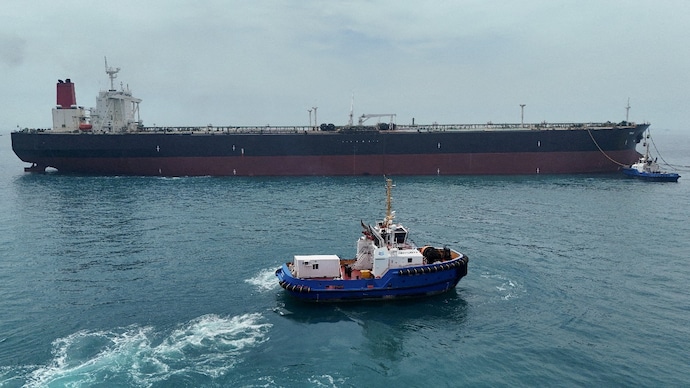
US President Donald Trump's administration on Tuesday revoked a key licence that had allowed Iranian oil sales, increasing economic pressure on Tehran just hours after fresh attacks on commercial tankers in the Strait of Hormuz pushed tensions in the Gulf to a new high.
This comes in response to three commercial vessels being struck by unidentified projectiles near the strategic waterway over the past 24 hours. While US officials stopped short of publicly blaming Iran, one senior official described Tehran's actions in the Strait of Hormuz as "wholly unacceptable" and warned they would carry consequences.
The decision also casts uncertainty over a fragile memorandum of understanding (MoU) that had paused hostilities between the United States and Iran and created space for negotiations on a broader agreement covering Tehran's nuclear programme and sanctions relief.
US REVOKES IRAN OIL LICENCE
The US Treasury Department announced that it had revoked the general licence that authorised Iranian oil sales.
The licence had allowed certain transactions involving Iranian oil despite broader US sanctions. Officials said companies would have until July 17 to wind down any activities that had been permitted under the authorisation.
The announcement immediately rattled energy markets, with global oil prices climbing more than 5 per cent as traders reacted to fears of tighter supplies and rising geopolitical risks. Despite the tougher stance, US officials said negotiations with Iran were continuing.
One senior US official told news agency Reuters that negotiators remained committed to reaching a final agreement even after the latest escalation in the Gulf.
The attacks on commercial tankers were reported by the UK Maritime Trade Operations (UKMTO), the British naval agency that monitors commercial shipping in the region. However, another US official, speaking on condition of anonymity, said initial assessments suggested Iran had fired at the three commercial vessels.
The reported attacks have intensified concerns that the fragile US-Iran MoU, reached to pause hostilities and open the door to broader peace negotiations, could begin to unravel. Any further escalation risks undermining diplomatic efforts aimed at resolving disputes over Iran's nuclear activities and regional security.
IRAN REJECTS QATAR'S ACCUSATIONS
Iran rejected allegations linking it to an attack on a Qatari-linked vessel in the Strait of Hormuz. Responding to accusations made by Doha, Iranian Foreign Ministry spokesperson Esmaeil Baghaei said the claims were "perplexing" and inconsistent with "the principle of good neighborliness."
He also defended Iran's role in managing shipping through the strategic waterway.
According to Baghaei, commercial vessels that use routes not coordinated with Iranian authorities or tamper with their tracking systems expose themselves to greater risks and complicate Iran's efforts to maintain safe navigation through the strait.
The spokesperson insisted Tehran was fully complying with its obligations under the memorandum of understanding governing security and maritime management in the Strait of Hormuz.
Iran also urged regional governments and shipping companies to avoid actions that contradict the agreement.
IRAN'S OIL EXPORTS FACE FRESH PRESSURE
Oil exports remain one of Iran's most important sources of revenue.
Despite years of US sanctions, Tehran has continued exporting crude oil, particularly to China, generating billions of dollars that support government spending and help sustain an economy under severe financial pressure.
The revoked US licence could make those exports significantly more difficult by tightening restrictions on transactions involving Iranian oil.
Analysts say any renewed effort to curb Iranian crude exports would increase economic pressure on Tehran while reducing one of its most important sources of foreign currency.
US President Donald Trump's administration on Tuesday revoked a key licence that had allowed Iranian oil sales, increasing economic pressure on Tehran just hours after fresh attacks on commercial tankers in the Strait of Hormuz pushed tensions in the Gulf to a new high.
This comes in response to three commercial vessels being struck by unidentified projectiles near the strategic waterway over the past 24 hours. While US officials stopped short of publicly blaming Iran, one senior official described Tehran's actions in the Strait of Hormuz as "wholly unacceptable" and warned they would carry consequences.
The decision also casts uncertainty over a fragile memorandum of understanding (MoU) that had paused hostilities between the United States and Iran and created space for negotiations on a broader agreement covering Tehran's nuclear programme and sanctions relief.
US REVOKES IRAN OIL LICENCE
The US Treasury Department announced that it had revoked the general licence that authorised Iranian oil sales.
The licence had allowed certain transactions involving Iranian oil despite broader US sanctions. Officials said companies would have until July 17 to wind down any activities that had been permitted under the authorisation.
The announcement immediately rattled energy markets, with global oil prices climbing more than 5 per cent as traders reacted to fears of tighter supplies and rising geopolitical risks. Despite the tougher stance, US officials said negotiations with Iran were continuing.
One senior US official told news agency Reuters that negotiators remained committed to reaching a final agreement even after the latest escalation in the Gulf.
The attacks on commercial tankers were reported by the UK Maritime Trade Operations (UKMTO), the British naval agency that monitors commercial shipping in the region. However, another US official, speaking on condition of anonymity, said initial assessments suggested Iran had fired at the three commercial vessels.
The reported attacks have intensified concerns that the fragile US-Iran MoU, reached to pause hostilities and open the door to broader peace negotiations, could begin to unravel. Any further escalation risks undermining diplomatic efforts aimed at resolving disputes over Iran's nuclear activities and regional security.
IRAN REJECTS QATAR'S ACCUSATIONS
Iran rejected allegations linking it to an attack on a Qatari-linked vessel in the Strait of Hormuz. Responding to accusations made by Doha, Iranian Foreign Ministry spokesperson Esmaeil Baghaei said the claims were "perplexing" and inconsistent with "the principle of good neighborliness."
He also defended Iran's role in managing shipping through the strategic waterway.
According to Baghaei, commercial vessels that use routes not coordinated with Iranian authorities or tamper with their tracking systems expose themselves to greater risks and complicate Iran's efforts to maintain safe navigation through the strait.
The spokesperson insisted Tehran was fully complying with its obligations under the memorandum of understanding governing security and maritime management in the Strait of Hormuz.
Iran also urged regional governments and shipping companies to avoid actions that contradict the agreement.
IRAN'S OIL EXPORTS FACE FRESH PRESSURE
Oil exports remain one of Iran's most important sources of revenue.
Despite years of US sanctions, Tehran has continued exporting crude oil, particularly to China, generating billions of dollars that support government spending and help sustain an economy under severe financial pressure.
The revoked US licence could make those exports significantly more difficult by tightening restrictions on transactions involving Iranian oil.
Analysts say any renewed effort to curb Iranian crude exports would increase economic pressure on Tehran while reducing one of its most important sources of foreign currency.

