Labour didn't get it right: UK's PM-in-waiting apologises for party's Gaza stance
Andy Burnham said Labour had been too slow to respond and pledged to put greater pressure on the Israeli government through stronger sanctions and possible restrictions on trade with Israeli settlements in the occupied West Bank.
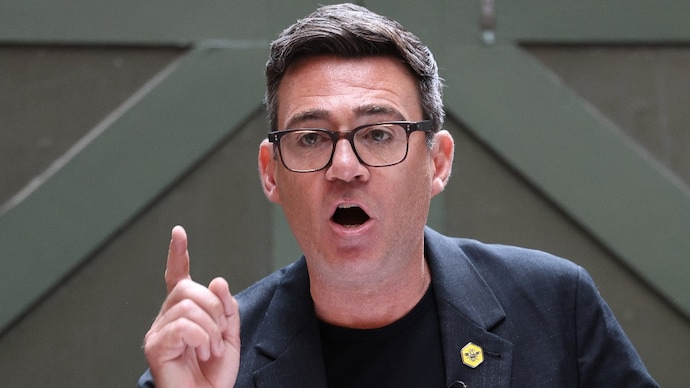
Britain's Prime Minister-in-waiting Andy Burnham has publicly apologised for Labour's early response to the war in Gaza. He admitted the party "didn't get it right" and said it must take a tougher stance on Israel if he becomes Britain's next prime minister.
In an interview with The Guardian, the Labour figure admitted that many voters were deeply disappointed by the party's handling of the conflict following Israel's military campaign in Gaza. He said Labour had been too slow to respond and pledged to put greater pressure on the Israeli government through stronger sanctions and possible restrictions on trade with Israeli settlements in the occupied West Bank.
Burnham said Labour had failed to respond quickly enough during the early stages of the conflict.
"I know many people feel that at the start of Israel's military action in Gaza my party didn't get it right and I am sorry about that. The response has too often not been good enough. We need to do better," he said.
He added that Britain should increase pressure on the Israeli government rather than rely solely on the measures already announced.
"We've got to do more to put pressure on the Israeli government. Yes, we have taken some important steps. But let's be honest, the UK was too slow to call for a ceasefire. And we must now do more to strengthen our approach," Burnham said.
Among the measures he suggested were additional sanctions against Israeli individuals and organisations, as well as a possible ban on goods produced in illegal Israeli settlements.
CALLS FOR ACCOUNTABILITY, NOT POLITICAL LABELS
While Burnham strongly criticised the humanitarian situation in Gaza, he stopped short of describing it as genocide.
He said there was growing evidence that war crimes may have been committed but insisted it should be up to international courts, rather than politicians, to determine whether genocide had taken place.
"I have been absolutely appalled by what I've seen and read about the destruction of Gaza. There's increasing evidence that war crimes appear to have been committed," he said.
"There must be accountability for the depth of the suffering the people of Gaza have experienced. Ultimately, however, it must be for the international courts to determine, rather than politicians."
His position is likely to disappoint some on Labour's left, who have long demanded that senior party figures explicitly describe Israel's military campaign as genocide.
Green Party deputy leader Mothin Ali criticised Burnham's approach, accusing him of hiding behind legal processes instead of acknowledging what was happening on the ground.
LABOUR'S GAZA STANCE REMAINS A POLITICAL BURDEN
Burnham's apology also revives debate over Labour's handling of the conflict under Prime Minister Keir Starmer.
Shortly after Hamas attacked Israel in October 2023, Starmer faced widespread criticism after saying Israel "has the right" to withhold electricity and water from Gaza. He later clarified his remarks, but only after several days of mounting criticism from within Labour and from Muslim communities.
The controversy became one of the defining political challenges for Labour, with many members accusing the leadership of reacting too slowly to the humanitarian crisis.
Although Starmer's government later recognised Palestine as a state, imposed sanctions on Israeli ministers and violent settlers, and restricted some arms licences, critics argued those measures came too late to repair the political damage.
Many Labour MPs have privately acknowledged that the party struggled to regain credibility on Gaza after its early response.
Burnham's comments are widely seen as an attempt to reconnect with progressive and Muslim voters who abandoned Labour over its position on Israel and Palestine.
Polling has suggested the issue significantly affected Labour's electoral support. According to an Opinium poll conducted in June for the Palestinian Solidarity Campaign, around two-thirds of Labour voters who later switched to the Green Party said Labour's stance on Gaza influenced their decision.
Britain's Prime Minister-in-waiting Andy Burnham has publicly apologised for Labour's early response to the war in Gaza. He admitted the party "didn't get it right" and said it must take a tougher stance on Israel if he becomes Britain's next prime minister.
In an interview with The Guardian, the Labour figure admitted that many voters were deeply disappointed by the party's handling of the conflict following Israel's military campaign in Gaza. He said Labour had been too slow to respond and pledged to put greater pressure on the Israeli government through stronger sanctions and possible restrictions on trade with Israeli settlements in the occupied West Bank.
Burnham said Labour had failed to respond quickly enough during the early stages of the conflict.
"I know many people feel that at the start of Israel's military action in Gaza my party didn't get it right and I am sorry about that. The response has too often not been good enough. We need to do better," he said.
He added that Britain should increase pressure on the Israeli government rather than rely solely on the measures already announced.
"We've got to do more to put pressure on the Israeli government. Yes, we have taken some important steps. But let's be honest, the UK was too slow to call for a ceasefire. And we must now do more to strengthen our approach," Burnham said.
Among the measures he suggested were additional sanctions against Israeli individuals and organisations, as well as a possible ban on goods produced in illegal Israeli settlements.
CALLS FOR ACCOUNTABILITY, NOT POLITICAL LABELS
While Burnham strongly criticised the humanitarian situation in Gaza, he stopped short of describing it as genocide.
He said there was growing evidence that war crimes may have been committed but insisted it should be up to international courts, rather than politicians, to determine whether genocide had taken place.
"I have been absolutely appalled by what I've seen and read about the destruction of Gaza. There's increasing evidence that war crimes appear to have been committed," he said.
"There must be accountability for the depth of the suffering the people of Gaza have experienced. Ultimately, however, it must be for the international courts to determine, rather than politicians."
His position is likely to disappoint some on Labour's left, who have long demanded that senior party figures explicitly describe Israel's military campaign as genocide.
Green Party deputy leader Mothin Ali criticised Burnham's approach, accusing him of hiding behind legal processes instead of acknowledging what was happening on the ground.
LABOUR'S GAZA STANCE REMAINS A POLITICAL BURDEN
Burnham's apology also revives debate over Labour's handling of the conflict under Prime Minister Keir Starmer.
Shortly after Hamas attacked Israel in October 2023, Starmer faced widespread criticism after saying Israel "has the right" to withhold electricity and water from Gaza. He later clarified his remarks, but only after several days of mounting criticism from within Labour and from Muslim communities.
The controversy became one of the defining political challenges for Labour, with many members accusing the leadership of reacting too slowly to the humanitarian crisis.
Although Starmer's government later recognised Palestine as a state, imposed sanctions on Israeli ministers and violent settlers, and restricted some arms licences, critics argued those measures came too late to repair the political damage.
Many Labour MPs have privately acknowledged that the party struggled to regain credibility on Gaza after its early response.
Burnham's comments are widely seen as an attempt to reconnect with progressive and Muslim voters who abandoned Labour over its position on Israel and Palestine.
Polling has suggested the issue significantly affected Labour's electoral support. According to an Opinium poll conducted in June for the Palestinian Solidarity Campaign, around two-thirds of Labour voters who later switched to the Green Party said Labour's stance on Gaza influenced their decision.

