
My borrowing is zero: Subhash Chandra clarifies on Rs 22,000-crore case
The controversy pertains to an NCLT order approving a resolution plan under which Subhash Chandra would pay around Rs 6.5 crore against admitted claims of approximately Rs 22,006 crore.
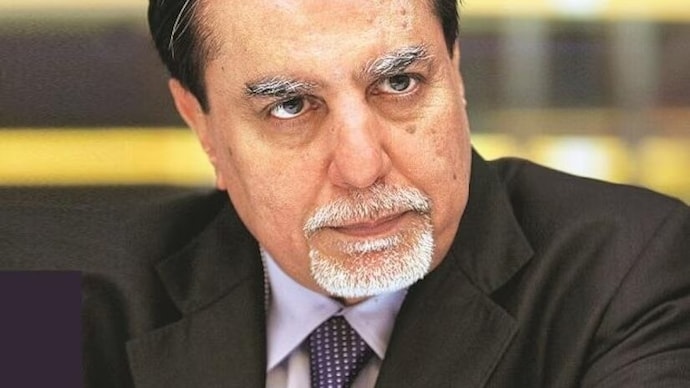

Essel Group chairman Subhash Chandra has sought to clear the air around the Rs 22,000-crore figure linked to his personal insolvency case, saying the amount does not represent money personally borrowed by him.
In a post on X, Chandra said he had noticed several social media posts about the issue over the past three days and said there was a “wrong perception and understanding” of the matter and shared a detailed account of the loans and guarantees involved.
‘MY BORROWING IS ZERO’
Chandra said he had not personally borrowed Rs 22,000 crore from banks or financial institutions.
According to him, the roughly Rs 22,000 crore figure refers to personal guarantees given by him for loans taken by various borrowing entities.
He said guarantees worth around Rs 4,800 crore were given when the borrowers actually received the funds. The remaining guarantees, he said, were given after the borrowers had already defaulted.
“My borrowing is Rs 0,” Chandra said in his clarification.
WHAT THE FIGURES SHOW
Chandra's statement said the borrowing entities had received around Rs 4,808 crore when the loans were taken.
Of this, around Rs 3,803 crore had already been repaid, leaving an outstanding amount of about Rs 998 crore, according to his statement.
However, lenders filed claims of around Rs 5,311 crore in the personal insolvency proceedings. Chandra said Rs 1,049 crore of these claims had subsequently been settled or paid.
After this, he put the balance at around Rs 4,262 crore.
WHY THE CLAIMS ARE HIGHER
Chandra said the difference between the original borrowing and the claims was also linked to the number of entities involved.
According to him, lenders had provided money to several companies, with his personal guarantee attached to those borrowings. In some cases, one lender had extended loans to multiple entities.
As a result, he said the total claims in his personal insolvency proceedings should not be seen as money personally borrowed by him.
Meanwhile, Chandra also said he hoped lenders would work directly with the borrowers, reconcile their accounts and recover the outstanding amounts.