
Delhi News
Delhi's brief clean-air break over, AQI again 'very poor'
Delhi's overall AQI rose to 319 on Thursday, returning to the 'very poor' category. With no rain forecast through November 15, weather conditions offer little prospect of relief.

Delhi's overall AQI rose to 319 on Thursday, returning to the 'very poor' category. With no rain forecast through November 15, weather conditions offer little prospect of relief.
A DTC electric bus caught fire near the Shastri Park underpass in northeast Delhi. The passenger-free vehicle was gutted, renewing concerns over electric bus safety.

Delhi's AQI eased to 299, pushing the city back into the 'poor' category after days of 'very poor' air quality, although pollution remained high across several neighbourhoods, with 28 of the 58 monitoring stations still recording 'very poor' levels.

The CPCB clarified why its AQI readings differ from private apps during extreme pollution episodes. It said methodology and equipment limits, not under-reporting, explain variations and data gaps.

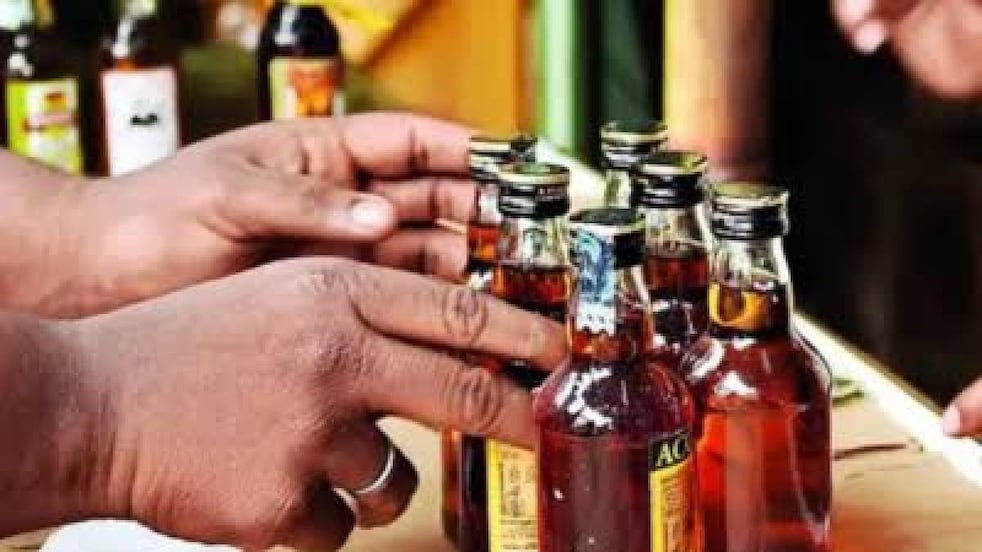
Delhi recorded a 13 per cent rise in liquor sales during the festive fortnight ending Diwali. Provisional revenue reached Rs 589.17 crore as consumers bought 3.31 crore bottles.
Aaj Tak's undercover reporter recorded operators claiming they could keep restricted buses running. The conversations raise questions about payments, inspection alerts and regulatory enforcement.
Delhi launched the Namo Yamuna River Safari with a cruise between Sonia Vihar and Jagatpur. The initiative seeks to promote river-based tourism and expand recreational options in the capital.

As of 6 am, Delhi's overall Air Quality Index (AQI) stood at 311 (very poor), while several monitoring stations recorded readings close to the 400 mark (severe). Chandni Chowk recorded the highest AQI at 400, followed by Pusa at 398.

The consignment was booked from Hyderabad as 'Mutton' and 'Meat Items', with police now probing its contents and the logistics company behind its transportation.

The political exchange followed widespread firecracker bursting in Delhi on Sunday night despite restrictions. Mishra also claimed Delhi's pollution situation was much better than it had been under the Arvind Kejriwal government.
Police said the explosion caused fatal chest injuries, killing the boy on the spot, while his family alleged that he was still alive when brought to hospital but was not given adequate treatment.
As Diwali smoke filled Delhi, an India Today ground check found blank public displays, missing live updates and a 200-point AQI gap between two screens the next day. Were residents getting timely pollution information?

Citing readings from multiple independent air quality monitoring platforms, Saurabh Bhardwaj alleged that the government's official figures did not reflect the actual pollution levels and accused it of misleading residents.

A day after Diwali, Delhi's overall AQI stood at 366 at 6 am, with 15 monitoring stations recording levels above 400. The IMD warned of dense to very dense fog across several districts, raising concerns over visibility.

Delhi's AQI reached 376 on Sunday as Diwali celebrations began under dense smog. Forecasters expect severe pollution as emissions rise and weak winds trap pollutants.

A JNU student allegedly attacked a hostel mate with a meat cleaver after objecting to his friendship with a woman. The assault triggered an attempt-to-murder probe and the rustication of four students.

Delhi recorded severe air quality at 11 monitoring stations on Diwali morning. Unfavourable weather, emissions and festive activity intensified concerns as GRAP Stage III remained enforced.

Food safety officials seized suspected unsafe products during a month-long Diwali inspection drive. The action highlights heightened enforcement against adulteration and unhygienic food handling.

Delhi recorded a citywide AQI of 366 on Saturday morning, placing it in the very poor category ahead of Diwali. While 22 monitoring stations reported severe pollution levels, CAQM has invoked GRAP Stage III restrictions across Delhi-NCR.

The inspections covered sweet shops, dairies and food manufacturing units across several parts of the national capital to check compliance with food safety, sanitation and hygiene standards.
