Vietnamese crab exporter
Advertisement

I chose education portfolio to contribute at scale: Nara Lokesh on reforms, jobs and Gen Z

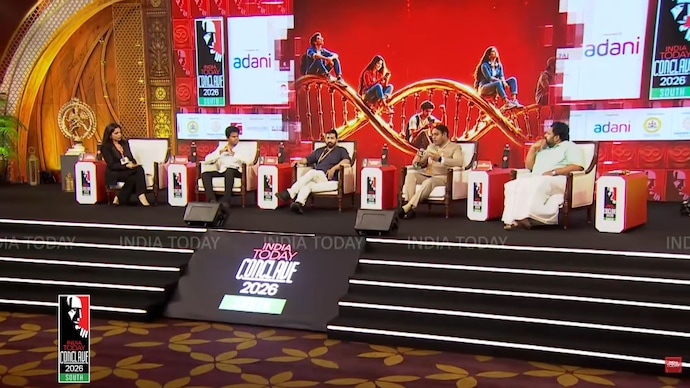
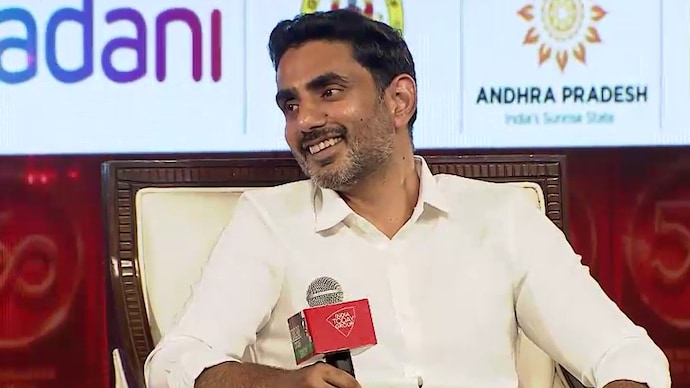
Andhra Pradesh human resource minister Nara Lokesh at the India Today South Conclave in Kochi said he chose the education portfolio as a Stanford MBA to contribute at scale, and aligning education with future needs will take at least a decade.

He claimed 1.10 lakh students shifted from private to government schools in the last two years, while 12 lakh had moved the other way under the previous YSRCP government. Lokesh also said as many as 16,000 teachers were recruited and trained during his tenure.

He called for overhauling examinations, cited transparent computer-based teacher recruitment and said none of the 300 cases filed over it were proven.

Lokesh said the youth's biggest concern is jobs and that the state aims to create around 20 lakh jobs by linking curriculum and ITIs with industry and grounding investments, adding that AP drew 25 per cent of India's investments last year.

He said the state is introducing AI and quantum computing courses with IBM and plans a 150-qubit computer in Amaravati.

On politics, he said he never aspired for higher office, acknowledged fiscal pressure, backed proportional representation to protect South India in delimitation, and supported his father's call for more children citing AP's 1.5 fertility rate.

Read More

VIDEOS FROM OTHER SECTIONS

LATEST VIDEOS

Markets Fall Near 22,600, Maharashtra Halts Farm Loan Recovery, Rabi MSP Hiked

On the Business Today Show, anchor Sakshi Batra tracks closing action across Dalal Street as the Nifty slips 95 points to end near 22,620 and Sensex trades weak under pressure from elevated crude oil prices and global bond yield spikes. Market expert Pankaj Pandey analyses persistent equity market volatility, rate hike expectations from the Reserve Bank of India, credit quality concerns in the microfinance space, and emerging opportunities in railway and premium consumption stocks. The broadcast reviews Union Finance Minister Nirmala Sitharaman's scheduled meeting with traders over the proposed 0.4% UPI merchant discount rate fee. Meanwhile, the Maharashtra government declares 265 talukas drought-hit, directing banks and financial institutions not to harass farmers for crop loan recoveries while announcing a 10% urban water cut. Additionally, the Union Cabinet approves a 1.86 lakh crore rupee outlay for rabi minimum support price increases, including hikes for wheat and safflower, alongside the PM Dhara renewable scheme approval.
Opposition March, Electoral Rolls and Attacks on Constitutional Bodies

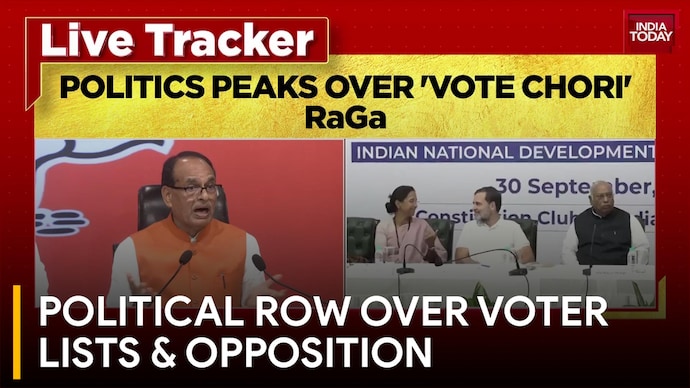
A political leader addressed a press briefing to criticise the opposition coalition ahead of upcoming elections, questioning the planned Save Democracy March scheduled from 2 to 8 October. The speaker argued that such demonstrations serve as an advance excuse for imminent electoral defeat and aimed at protecting dynastic politics rather than democratic principles. The address highlighted repeated attacks by opposition figures on constitutional institutions and the judiciary whenever outcomes do not favour them. Defending the ongoing verification and purification of voter lists, the speaker emphasised that removing duplicate entries, deceased individuals, and non-citizens from electoral rolls is vital for democratic integrity. The speaker also referenced past instances of elected governments being dissolved and the imposition of the Emergency to question the democratic credentials of the opposition party.

advertisement

Cracking the Gen Z Code: What young voters seek from political parties

At the India Today Conclave South, a panel on Gen Z's political voice explored the issues shaping young voters and their growing influence on Tamil Nadu politics. TVK spokesperson M Sathya Kumar attributed the party’s reported 68 per cent support among Gen Z voters in the last Assembly election to Vijay’s focus on jobs, better governance, government efficiency and direct communication with young people. He said Gen Z was seeking “truthful conversations”, integrity and values from political leaders, adding that Vijay’s messaging had resonated strongly with this generation. BJP’s Anil K Antony offered a different perspective, arguing that the BJP’s recent electoral performance reflected continued support among younger voters. He pointed to the growth of startups, high-technology sectors and employment opportunities, saying the party would continue working with the younger generation. Congress leader KS Shabareenathan, however, said issues such as graduate unemployment remained inadequately addressed and argued that young voters were increasingly looking for leaders who demonstrated honesty, integrity and an understanding of their concerns. CJP South India In-Charge Vijay Reddy Mallangi linked the growing political engagement of young voters to broader concerns, including the credibility of the electoral process. Referring to the protests at Jantar Mantar, he said sustained efforts had driven the mobilisation and suggested similar protests could emerge elsewhere. The panel, which brought together representatives from TVK, BJP, Congress and CJP, highlighted how employment, governance, political integrity and trust in electoral institutions are becoming central to the political engagement of younger voters.