
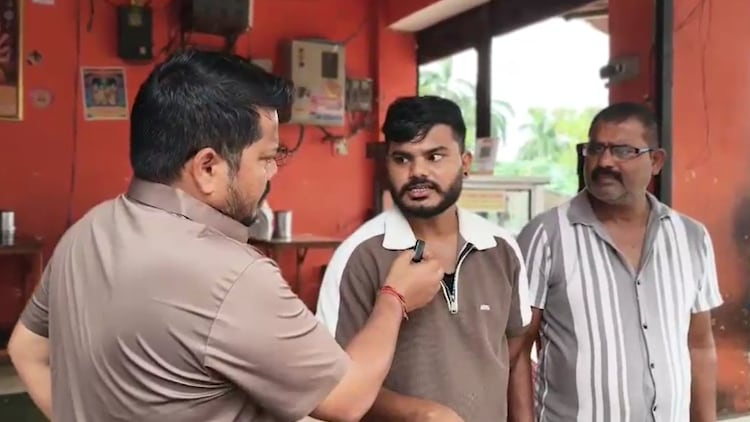
Ground report: Student demands education reform as Nepal limps towards normalcy

The student urges Nepal's new government to prioritise education reform, noting that a Bachelor of Pharmacy takes longer in Nepal than in neighbouring countries, delaying workforce entry.
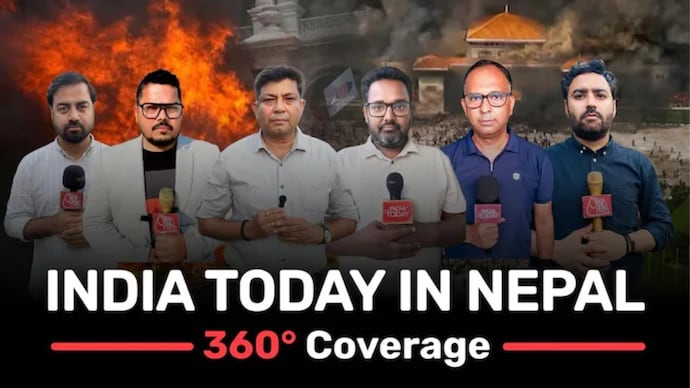
India Today in Nepal: Ground report from Nepalganj
Kathmandu,Sep 13, 2025 20:16 IST Last UpdatedSep 13, 2025 20:16 IST
 Published byWritten ByShipra Parashar
Last UpdatedSep 13, 2025 20:16 IST Published byShipra Parashar
Sep 13, 2025 19:52 ISTWritten ByShipra ParasharFollowing five days of youth-led protests that ousted Nepal’s leader and triggered political instability, the appointment of a new interim Prime Minister has shifted attention back to governance and policies, with young citizens calling for education reform to be treated as the country’s first priority.
Among those voicing concern is Vishnu Gupta, a pharmacy student from Nepalgunj. Speaking to India Today, he said the current education system is slow and inefficient. A Bachelor of Pharmacy degree, he noted, takes significantly longer in Nepal than in neighbouring countries, delaying students' entry into the workforce.
“In India, this course takes around three years. Here, it takes nearly five. Even after completing the diploma, it takes over a year to get a licence. There’s no clarity on why the delay happens,” he said.
He also said that these problems in the education system are why many of Nepal’s youth continue to seek opportunities abroad.
Vishnu’s father, a local businessman, had invested in his son's education with hopes that he would move beyond the family business, but growing uncertainty around timelines and limited job opportunities are pushing many like him to consider studying or working abroad.
“This protest was for reform. Now that corrupt leaders have stepped down, there is hope again. We want change,” he added.
Students like Vishnu are part of a larger group of students who joined the protests, which were initially sparked by a government ban on social media platforms. The demonstrations quickly expanded into a broader movement against corruption, political favouritism and growing economic inequality.
The unrest, led largely by Gen Z protesters, turned violent as demonstrators targeted government buildings, set fire to the Parliament and stormed residences of top political leaders.
The protests left at least 51 people dead, according to Nepal Police. The victims include 21 protesters, nine prisoners, three police personnel and 18 others. Nearly 1,700 people sustained injuries during the protests. Of them, around 1,000 have returned home after recovery, police said.
In the chaos, more than 13,500 prisoners escaped from various jails across the country. Only about 1,000 have been recaptured so far, Police spokesperson Binod Ghimire said on Friday.
Authorities have now begun easing restrictions. Curfews and prohibitory orders were lifted in Kathmandu on Saturday, though access to sensitive areas remains limited. The interim government has also begun talks to restore order and begin preparing for fresh elections.
Sushila Karki, appointed as the interim Prime Minister after two days of negotiations involving President Ramchandra Paudel, Army Chief Ashok Raj Sigdel, and protest leaders, is the first woman to hold the post in Nepal’s history.
Shortly after her appointment, President Paudel dissolved the 275-member parliament and announced that national elections will be held on March 5.
As the country enters a transitional phase, many young citizens said that the real change must begin with reforming the education system.
- Ends

Ashish Srivastava has eight years of experience in journalism. He completed his masters in journalism before training at the Dainik Jagran and working with a regional channel.
READ MORE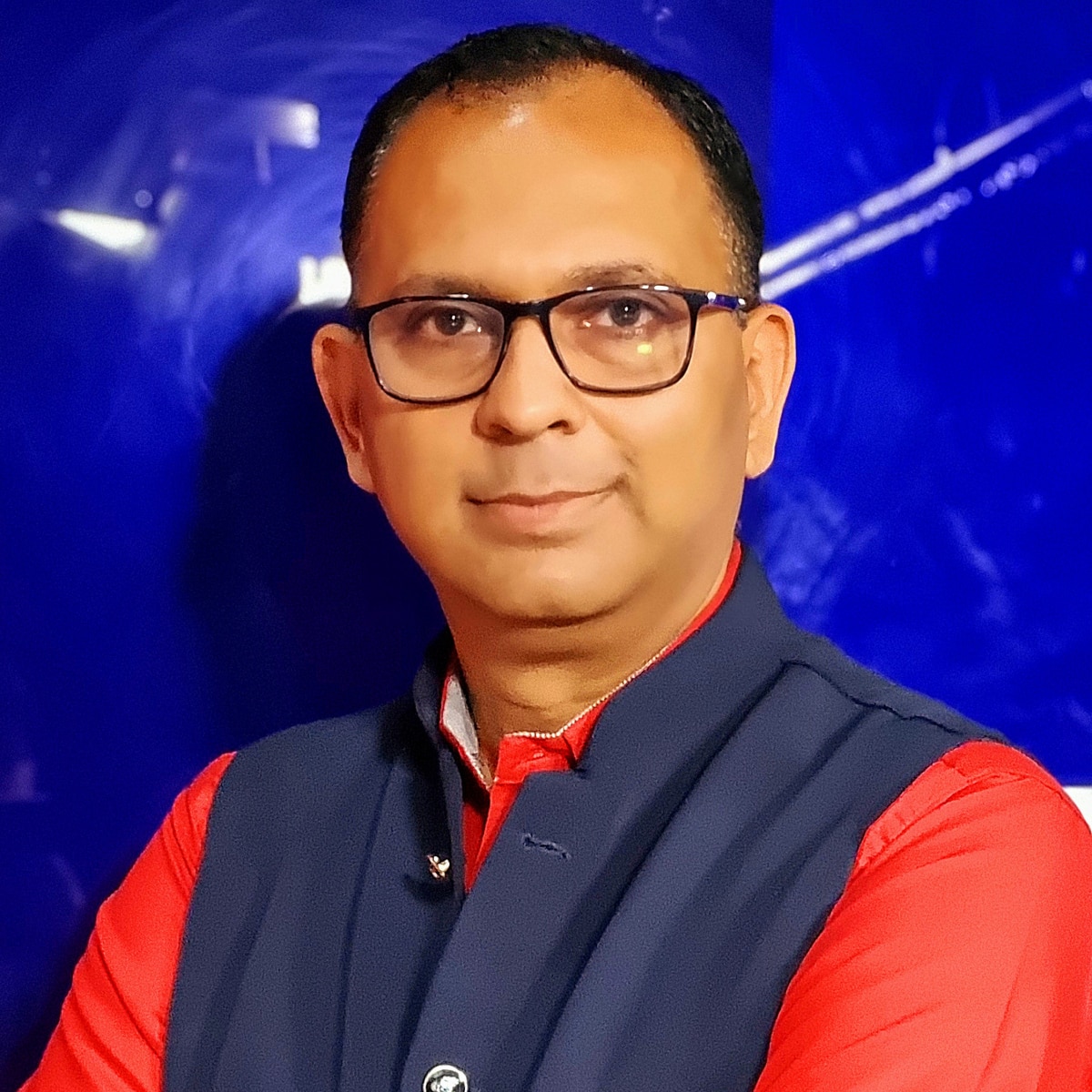
Rohit Kumar Singh is an award-winning journalist with about 23 years of experience across broadcast, print, and digital media platforms. He has been associated with the India Today Group for the last 18 years and is currently serving as Senior Editor and Bureau Chief, Bihar.
Known for his sharp political understanding and strong field reporting, Rohit has established himself as a credible and influential voice in Bihar journalism. He leads a team of reporters and oversees coverage of major political, administrative, and social developments across the state.
Over the years, Rohit has extensively covered key political events, elections, governance issues, and policy developments in Bihar and Jharkhand. He has also conducted exclusive interviews with several influential political leaders and public figures across party lines.
His journalism is recognised for factual accuracy, balanced reporting, and insightful political analysis. With a strong focus on ground reporting and compelling storytelling, Rohit brings depth, context, and clarity to complex political developments.
His reporting reflects a deep understanding of Bihar's evolving political landscape, caste dynamics, and regional issues, making his work widely respected among viewers and industry peers alike.
READ MORE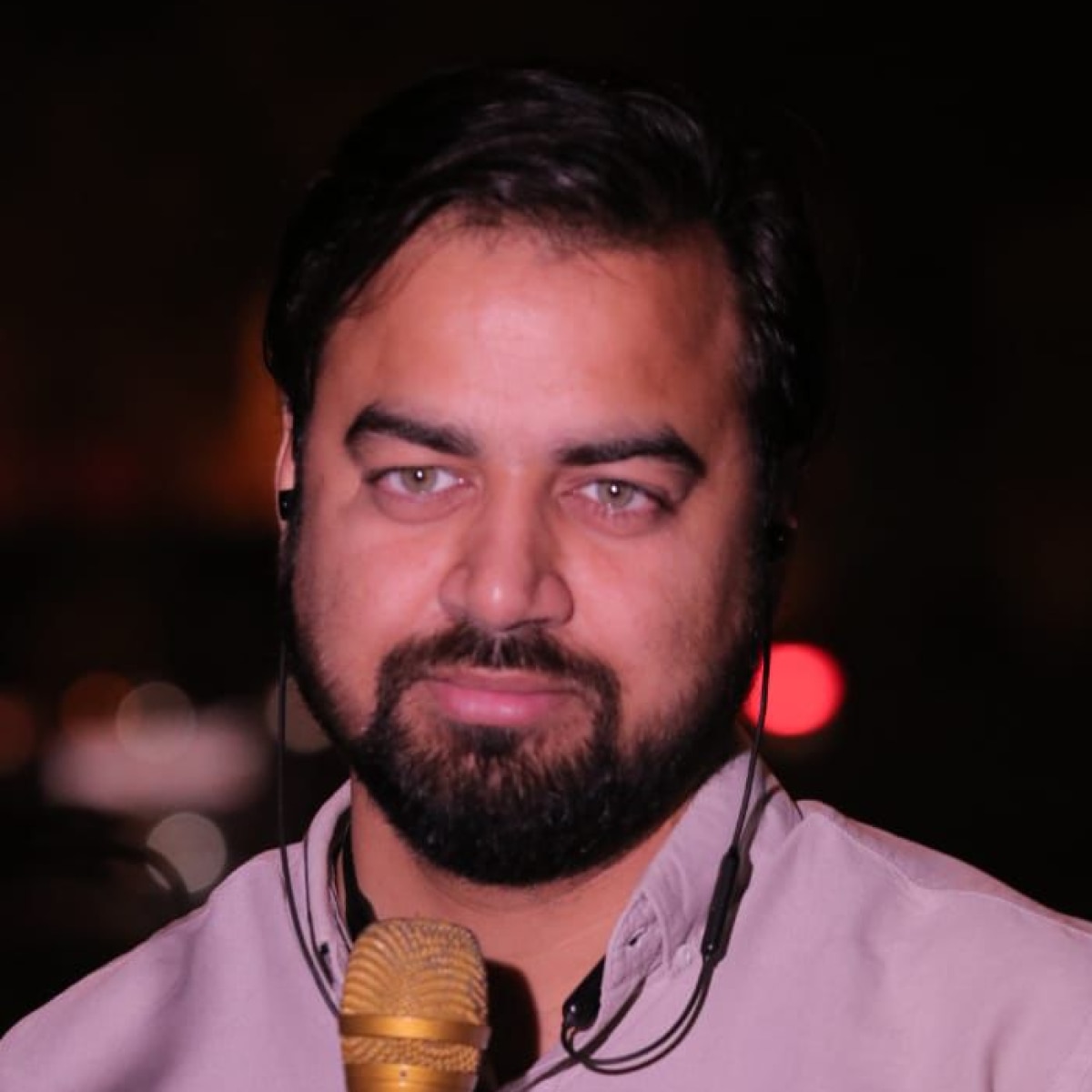
Amit Bhardwaj is among the “politics-election buff” journalists redefining how news connects with a younger audience. Currently an Associate Editor at India Today, he has built a reputation for incisive on-ground reporting right from centre of politics - the Indian Parliament, to the machine of politics- high-stakes Indian elections and to civil aviation sector.
In the last eleven years, he has tracked India through a dozen state elections and consistently reported from the heart of India’s political churn, with a strong focus on the evolving dynamics of the opposition- INDIA bloc. He also tracks Aam Aadmi Party and Telugu Desam Party.
Known for blending easygoing storytelling with factual reportage, Amit Bhardwaj has delivered consistently from mines to skies. He has covered the rescue operations and rat miners in Joshimath. He extensively covered the tragic Air India 171 Ahmedabad crash in June 2025. His work on airline disruptions including the Indigo 2025 crisis, regulatory crackdowns, and aviation safety has added a distinct edge to his political reporting portfolio.
Amit was amongst few India journalists to witness Nepal's GenZ revolution firsthand as it was unfolding on the streets of Kathmandu. His documentary "Joshimath: A Cry For Help" was awarded ENBA Gold for Best In-depth Series.
Before joining India Today, he honed his craft at Newslaundry and Tehelka- in its prime, it was a thing- and has also contributed long-form pieces to The Caravan.
A distinct voice with a cheerfully incisive tone on the popular podcast Reporters Off Air, Bhardwaj brings insider perspectives and futuristic predictions .
Amit hails from Jharkhand, and often greets others with Jai Johar!
READ MORE