
Why Mamata hinted at 'outside support' for INDIA bloc government at Centre

The remark has caused speculation as the TMC has often pitched Didi as the prime ministerial face of the Opposition bloc

 Last UpdatedMay 16, 2024 19:22 IST
 Published byEdited byAshish Mukherjee
 Trinamool Congress (TMC) chief Mamata Banerjee, on May 15, hinted at her plans if the INDIA bloc comes to power at the Centre. At a rally in Hooghly, Mamata said her party will support the new government ‘from outside’, raising speculation that she will not be a part of the Union cabinet even if given a chance.
Back in 2004, the CPI(M) had taken a similar stance and extended outside support to the Congress-led United Progressive Alliance government. However, Mamata’s party has more often than once pitched herself as the prime ministerial face of the INDIA front.
“We will provide all support to the INDIA bloc...from outside to aid the formation of the government in Delhi and ensure that our women in Bengal do not face any troubles,” Mamata said at the public meeting. She added that her support wasn’t extended to the Left and the Congress in Bengal, which are contesting as allies against the TMC.
In the past, the TMC has been part of multiple alliances ruling the country at the national level, but only once had it extended support from outside. In 1998, Mamata was not a part of the 13-day-long BJP-led government formed by Atal Bihari Vajpayee, but had supported it. However, from 1999 to 2004, the TMC was part of the Vajpayee government barring a brief period in between. It also became a part of the UPA government in 2009.
TMC leader Kunal Ghosh, when asked about Mamata’s statement, said that crucial decisions such as these are taken at the highest level of the party by Mamata herself. “But it is confirmed that the BJP is losing and the INDIA bloc will form the next government, and that the TMC will play a crucial role in it,” he said.
Mamata repeated her claim that the BJP will fall much short of majority. “Four phases of polling are over and the BJP is losing in all of them. In the remaining three phases too, there isn’t much scope for the BJP to win seats. The BJP might continue to lie and spread propaganda but they will not be able to win. In their arrogance, the BJP had claimed ‘400 paar’. But people are saying this time they will not even cross 200 seats,” she remarked.
Mamata claimed her party has filed a writ petition against the advertisements issued by the BJP on NREGA (Mahatma Gandhi National Rural Employment Guarantee Act). “They (Centre) didn’t give Bengal NREGA funds for three years but are now issuing advertisements. We are not issuing counter advertisements but have filed a counter writ petition in the court. Nobody can publish whatever they want in the form of an advertisement without giving the name of the publisher,” said Mamata but didn’t elaborate on the details of the case.
Subscribe to India Today Magazine
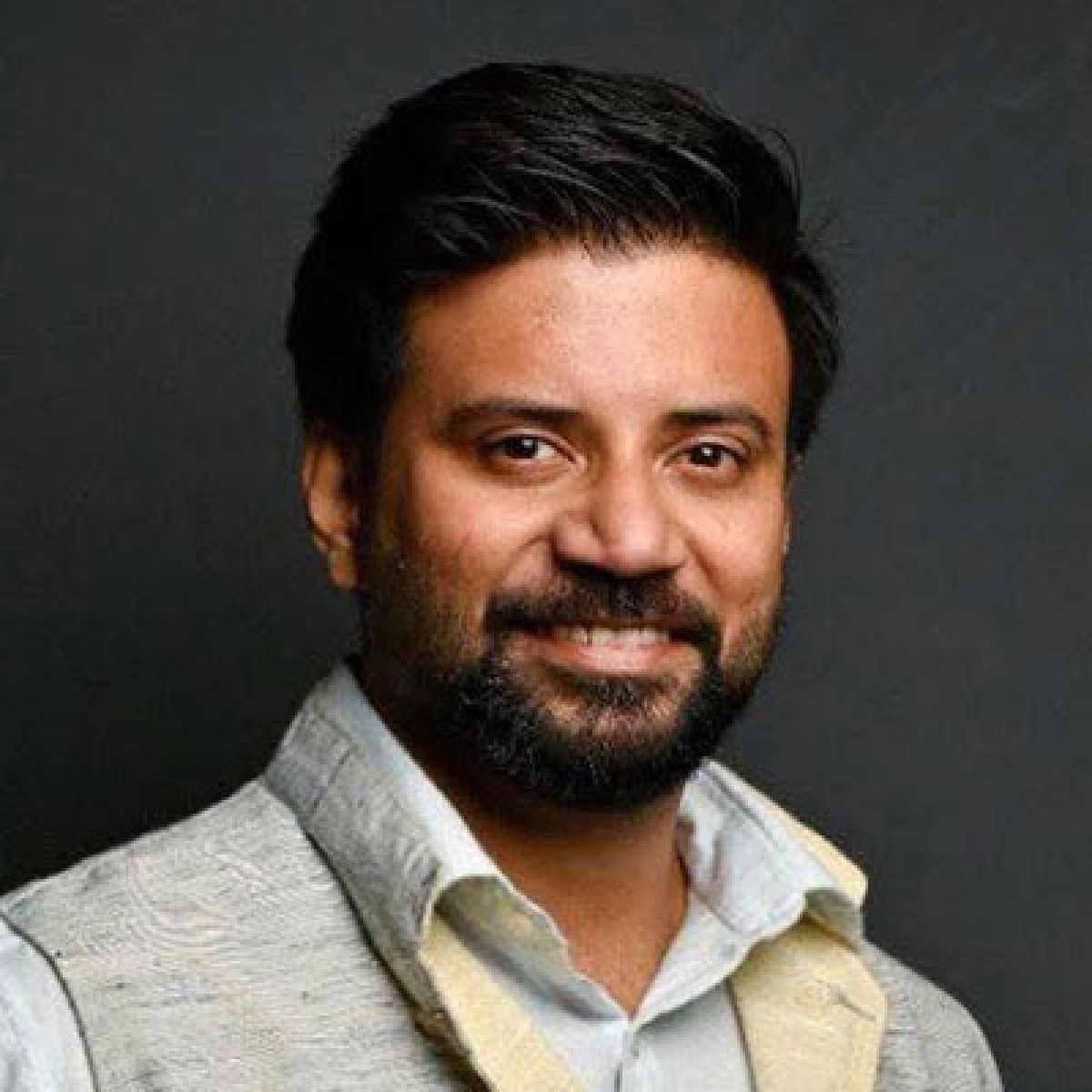
Arkamoy Datta Majumdar is an Assistant Editor with India Today magazine, based in Kolkata. He writes about politics, international relationship, football, and society, with a particular focus on eastern India and the political transformation of West Bengal. He oversees the editorial operations in the eastern states of West Bengal, Odisha and Sikkim.
His reporting sits at the intersection of politics and everyday life. He covers elections and political parties, governance and public policy, political movements, identity and cultural politics, federalism, border issues and the changing relationship between the state and its citizens. In West Bengal, his work has closely followed the rise of the BJP, the evolution of the Trinamool Congress, the Left and Congress, electoral politics, voter-list and citizenship questions, welfare politics and the ways in which political competition increasingly plays out through culture, religion, education and public institutions. He has covered the crucial Bangladesh elections of 2026 from Dhaka.
He also follows the wider politics of the eastern region, particularly where questions of borders, migration, regional identity, security and diplomacy intersect with domestic politics.
For Arkamoy, political journalism is as much about understanding people and places as it is about following politicians. He is interested in what happens between an announcement and its implementation, between a political slogan and its impact on the ground, and in the quieter social and cultural shifts that often reveal where politics is heading.
READ MORE