
Devendra Fadnavis pushes for use of Marathi in AI, space tech and biotechnology

Devendra Fadnavis said Maharashtra will expand Marathi use in AI, quantum computing, space technology and biotechnology. The push aims to preserve the language's heritage while making it central to modern knowledge and digital life.
 Last UpdatedOct 3, 2026 23:48 IST
  Published by
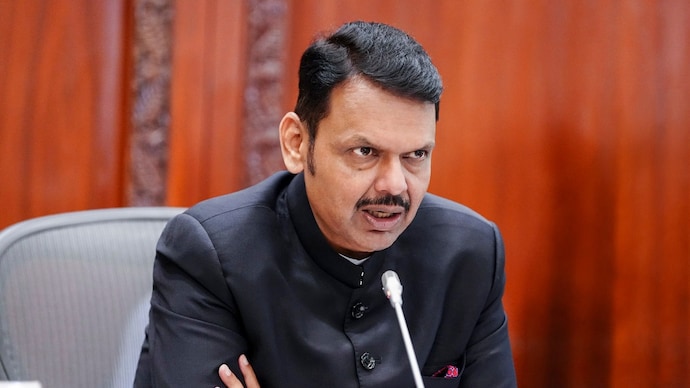
Maharashtra Chief Minister Devendra Fadnavis on Saturday said efforts would be made to strengthen Marathi as a digital and knowledge language in the 21st century by increasing its use in emerging fields such as artificial intelligence, quantum computing, space technology and biotechnology.
Speaking at the inauguration of the 'Classical Marathi Language Week' and 'Classical Marathi Language Honour Day' programme at SNDT Women's University in Mumbai, Fadnavis said Marathi must be used more widely in everyday life as well as in modern technology. Deputy Chief Minister Eknath Shinde and Marathi Language and Industries Minister Uday Samant also outlined steps being taken to promote the language in India and abroad.
Fadnavis said, "Marathi is not merely a medium of communication but a carrier of our rich culture and a witness to our glorious history." He said Marathi's rich vocabulary, literary tradition and diverse dialects were important parts of its heritage and should be preserved while making the language relevant to new areas of knowledge.
"Marathi should be used more extensively in artificial intelligence and digital technology. Knowledge related to quantum computing, space technology and biotechnology should also be made available in Marathi," he said. He also called for greater availability of Marathi information and knowledge content on digital platforms, OTT services and social media, and said the Centre's recognition of Marathi as a classical language was a matter of pride for Marathi speakers.
Referring to the Marathi encyclopaedia and dictionaries, Fadnavis said the language had a rich vocabulary and stressed the need to expand the words recorded in government-published Marathi dictionaries through successive editions. He also underlined the need to preserve dialects such as Konkani, Varhadi, Khandeshi-Ahirani, Malvani, Dangi and Zhadiboli, saying they reflected local culture, traditions and experiences. "Marathi's preservation and promotion should not remain limited to government initiatives. People must increase its use at home, in education, administration, business, technology and social media," he said.
Shinde said Marathi was not only Maharashtra's identity but also its pride, and added that the language had spread beyond the state's borders. "The next World Marathi Literary Conference will be held in London. A 'Chhatrapati Shivaji Maharaj Global Marathi Centre' is also being planned there. Around 70,000 to 80,000 Marathi-speaking people live in London," he said. He also urged people to gift Marathi books instead of bouquets on occasions such as birthdays and felicitation ceremonies to encourage reading.
Samant said the state government was working on a Centre of Excellence for Marathi at Deccan College in Pune, a global Marathi centre in London, dictionaries covering 100 dialects and Marathi skill development centres at nine locations. He said the number of international Marathi forums had reached 52 and the government aimed to increase it to 75.
Marathi Language Department Secretary Kiran Kulkarni said the language's tradition could be traced back to the Gatha Saptashati, dating back around 2,500 years. He said the department was focusing on research, preservation and digitisation of Marathi's classical heritage, with special emphasis on involving young people. Kulkarni said the Marathi encyclopaedia, whose creation began under the guidance of Tarkateerth Laxmanshastri Joshi, was being digitised and would be fully available on a portal from this month. The programme also saw the release of the book Marathiche Kautuk Part-2 and a cultural programme on the theme 'Classical Marathi, Pride Marathi', bringing together the main efforts announced for the language's promotion and preservation.