
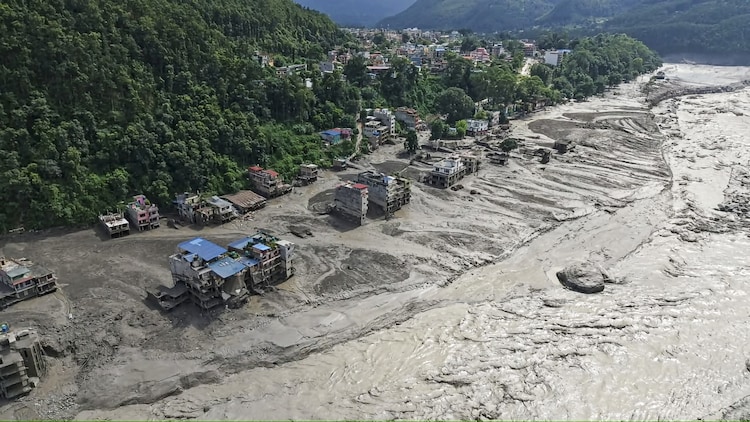
If there is a flood in Tibet, why should Bihar worry?

A flood in Tibet may seem far removed from Bihar, but the two are connected by the Himalayan river system. The Bhotekoshi flows into the Sun Kosi, which becomes part of the Kosi system before entering Bihar.
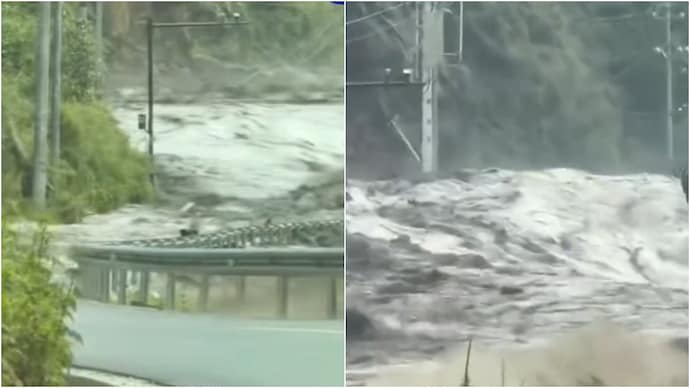
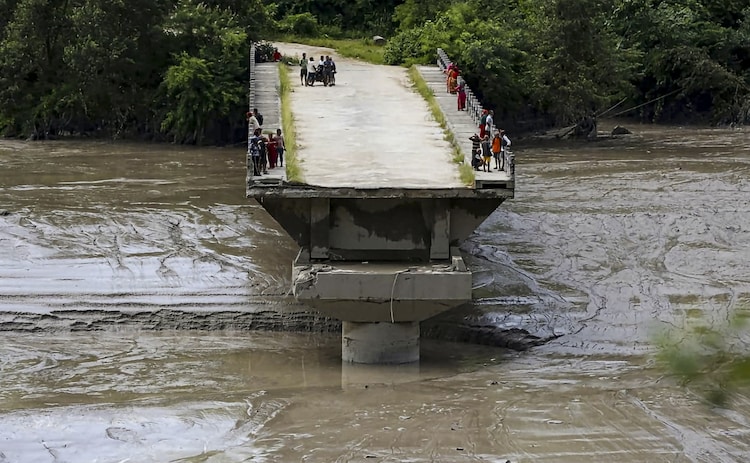
A flood in Tibet can have consequences far downstream. Here is how the Bhotekoshi connects Tibet to the Kosi river system and why Bihar keeps a close watch on Himalayan floods. (Photo - X/@@XueJia24682)

New Delhi,UPDATED: Aug 27, 2026 13:31 IST
A flood in Tibet may sound like a distant event for people in Bihar. But when it involves rivers flowing through the Himalayas, the two regions are far more connected than they appear. The Bhotekoshi river, which originates in the Tibetan region and flows through Nepal, is part of the larger river system that eventually feeds the Kosi. The Kosi then enters Bihar, where it has a long history of causing destructive floods. So, why should Bihar worry when heavy rain or flooding occurs upstream? The answer lies in how Himalayan rivers carry water downstream across borders, and how quickly conditions in the upper catchment can affect areas much farther away.
Nepal Foreign Minister Shisir Khanal said 175 people have died in the devastating flash floods that swept through Nepal and neighbouring Tibet, while nearly 300 Indians are among those reported missing. Most of the missing Indians are believed to be tourists and pilgrims travelling towards the Kailash Mansarovar region.
THE FIRST LINK BHOTEKOSHI, AND HOW DOES TIBET CONNECT TO BIHAR?
The Bhotekoshi river, which originates in the Tibetan Himalayan region, flows into Nepal and joins the Sun Kosi. The Sun Kosi is one of the major rivers that, along with the Arun and Tamur, forms the Saptakoshi river system.
The Saptakoshi then flows southwards into India, where it becomes the Kosi and passes through northern Bihar before meeting the Ganga near Kursela in Katihar district.
This interconnected river system means heavy rain or flooding in the upper Himalayan catchment can have consequences much farther downstream, including in Bihar.
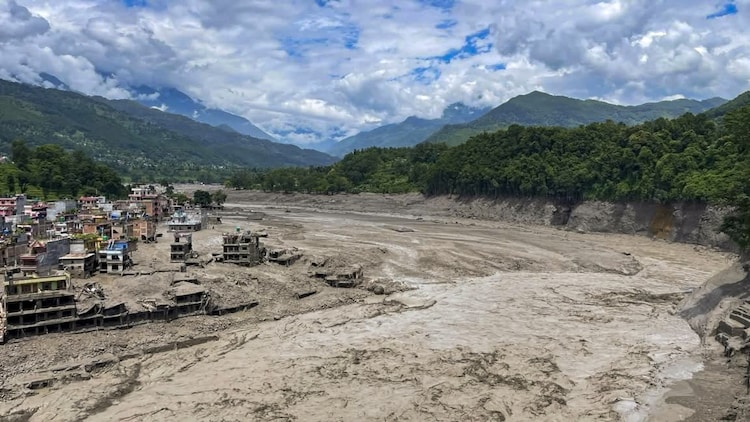
WHY DOES BIHAR FEAR THE KOSI?
The Kosi is famously known as the “Sorrow of Bihar” because of its history of destructive floods.
The river carries a huge amount of water and sediment from the Himalayas. Its course has also shifted repeatedly over the centuries, creating a difficult flood-management challenge for the plains of north Bihar.
Districts including Supaul, Saharsa, Madhepura, Araria and Purnea are among those that have faced serious Kosi flooding.
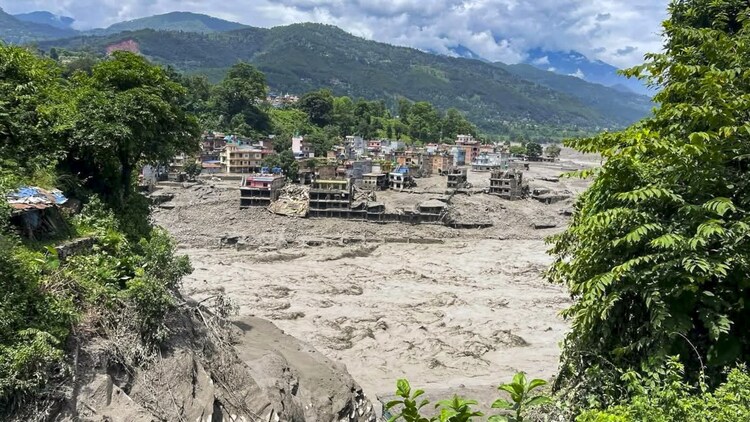
THE 2008 FLOOD SHOWED WHAT CAN HAPPEN
The 2008 Kosi flood remains one of the clearest reminders of the river's destructive potential.
A breach near Kusaha in Nepal caused the Kosi to change its course, inundating large areas of north Bihar. Millions of people were affected by the disaster.
The episode also showed why what happens upstream in Nepal can matter enormously downstream in Bihar.
SO, SHOULD BIHAR WORRY ABOUT EVERY TIBET FLOOD?
Not necessarily.
A flood in Tibet does not automatically mean Bihar will flood. The impact depends on factors such as the amount of rainfall or snowmelt, river discharge, conditions in the intervening catchment, existing water levels and the capacity of rivers and flood-control systems downstream.
But the geographical connection is real. The Bhotekoshi-Sun Kosi-Saptakoshi-Kosi system links the Himalayan region with Bihar.
That is why flooding in the upper reaches of these rivers is something authorities downstream cannot simply ignore.
- Ends