Vietnamese crab exporter
Advertisement

Debate on Katrina Kaif Trolling: Tara Deshpande, Sanjana Galrani

In this discussion show, the panel examines the ongoing online narrative and commentary surrounding actor Katrina Kaif's appearance. The anchor questions the tendency of social media users and commentators to provide biological or postpartum explanations for a woman's weight, highlighting that defending women with medical excuses merely reinforces societal beauty standards. Panelist and author-actor Tara Deshpande emphasizes that women's physical appearance is 'nobody's business' and criticizes the culture of body shaming as an expression of self-loathing, noting that scrutiny around women's bodies is deeply rooted and unacceptable. Actor and philanthropist Sanjana Galrani reflects on her personal experiences dealing with postpartum weight changes in the film industry, asserting that trollers must respect personal boundaries. The panelists conclude that women in the public eye should not be subjected to perpetual scrutiny over their looks.

Read More

VIDEOS FROM OTHER SECTIONS

LATEST VIDEOS

Katrina Kaif Faces Online Trolling Over Appearance, Age And Body Shaming

Actor Katrina Kaif has faced a barrage of online comments regarding her appearance, weight, and visible changes following her public appearance with husband Vicky Kaushal at an Ambani Ganesh Chaturthi celebration. Fans quickly defended the actor, pointing out that she is forty and a new mother who does not need to adhere to arbitrary beauty standards. The report notes that several prominent women in the public eye, including Aishwarya Rai, Sonam Kapoor, Sonakshi Sinha, and Huma Qureshi, have repeatedly faced scrutiny, harsh critiques, and body policing over natural ageing, physical weight shifts, and postpartum body changes.
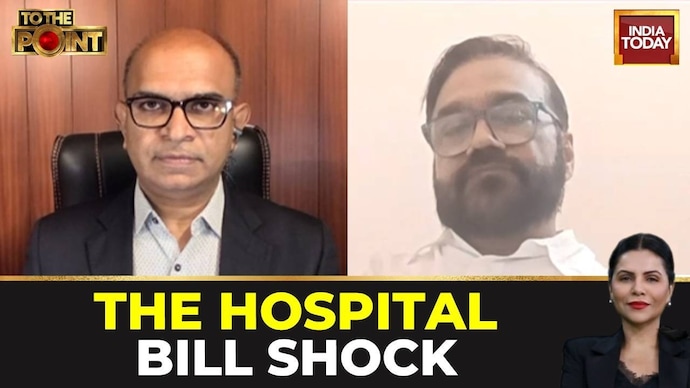
Hospital Bill Markups: Dr. Rajeev Jayadevan & Abhijeet Bose on Consumable Pricing

A debate on exorbitant markups on hospital consumables focuses on middle-class medical expenses. Highlighting price inflations ranging up to 2,800 percent on essential consumable goods like IV sets and catheters, the discussion delves into the absence of legal price caps. Dr. Rajeev Jayadevan clarifies that whilst hospitals must strictly follow the Maximum Retail Price, there are currently no price caps on consumables unlike essential medicines, stressing: 'There must be what is called a trade margin rationalization.' Abhijeet Bose, Chief Operating Officer of Consumer Voice, underlines that captive patients are forced to bear disproportionate costs, eroding trust in healthcare systems. Both experts call for strict regulatory oversight and price management.

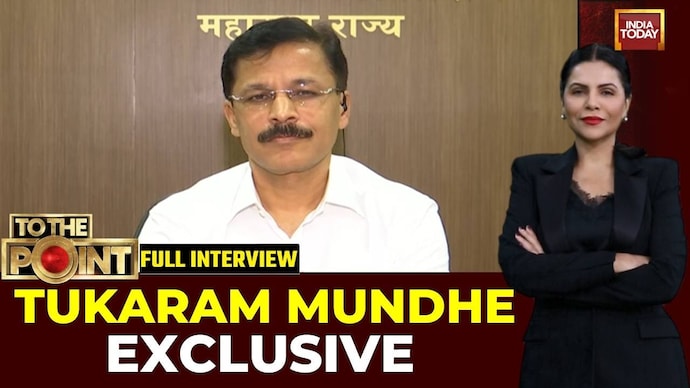
Tukaram Mundhe: 'What We Need Is Transparency' In Hospital Pricing

In an interview, Maharashtra Food and Drug Administration Commissioner Tukaram Mundhe discussed his findings regarding steep markups on hospital consumables and the recent regulatory action against Mumbai's Cafe Mondegar. Mundhe highlighted that an FDA survey revealed disparities ranging from 150 percent to nearly 2,800 percent between trade procurement prices and declared maximum retail prices on inpatient consumables such as IV sets. He stated, "When we look at this type of margins, which is to the tune of two thousand eight hundred, I think that is not acceptable to anybody, whether as a regulator or as a consumer." Mundhe confirmed submitting formal recommendations to the National Pharmaceutical Pricing Authority to establish fair trade margins and transparent pricing guidelines. Addressing questions about Cafe Mondegar, he explained that its license was suspended over non-negotiable Schedule IV food safety violations.

advertisement

Finance Ministry Refutes Opposition Claims of Foreign Hand in 0.4% UPI MDR Charge

The Union Finance Ministry has rejected allegations made by opposition parties, including the Congress, claiming foreign influence behind the decision to impose a 0.4% merchant discount rate on person-to-merchant UPI transactions above ₹2,000. Clarifying through a statement on X, the ministry stated that India's digital payment policy decisions are taken independently to establish an inclusive and self-sustaining ecosystem. The clarification follows accusations from Congress leader Rahul Gandhi alleging government manipulation under United States pressure.