Vietnamese crab exporter
Advertisement

North India floods: Ground reports from Punjab, Randeep Hooda exclusive and more

The top focus of this episode of 5Live is on the heavy rain and severe floods that have hit parts of North India, with Punjab facing its worst flood situation since 1988. Relentless monsoon rains have caused widespread destruction across Punjab, Jammu and Kashmir, Haryana, Himachal Pradesh, and the national capital, Delhi. Over 3,54,000 individuals have been affected, and 30 deaths recorded across 23 flood-hit districts of Punjab. Major rivers like the Yamuna and Chenab have crossed danger marks, leading to homes being swept away and widespread disruption. Also on the show, actor Randeep Hooda joins from Gurdaspur to discuss relief efforts with NGO Global Sikhs, addressing the impact of climate change.

The show also discusses the increasing youth dependency on artificial intelligence for emotional support. A new survey by YouthKiAwaaz and YLAC indicated that 54% of young Indians depend on AI for emotional comfort, with 88% of school students using AI when stressed. 

Read More

VIDEOS FROM OTHER SECTIONS

LATEST VIDEOS

Tamil Nadu Hikes Auto Fares; Minimum Base Fare Doubled To Rs 50

The Tamil Nadu government has announced a revision in auto-rickshaw fares across the state, doubling the minimum base fare from 25 rupees to 50 rupees for the first 1.8 kilometres. Additionally, the rate for every subsequent kilometre has been increased from 12 rupees to 25 rupees. The revision comes following long-standing demands and multiple protests staged by the Auto Drivers Association calling for a fare hike after over a decade.
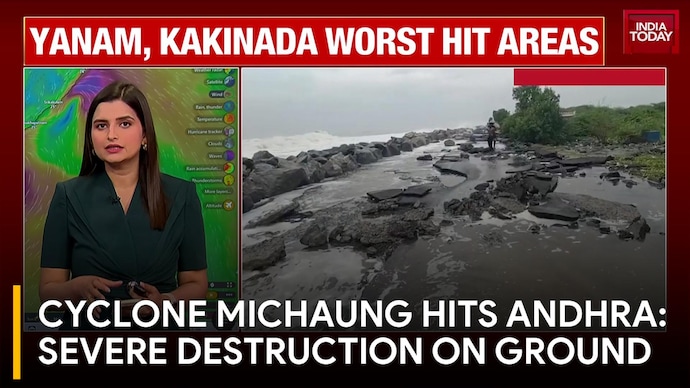
Cyclone Michaung Makes Landfall in Andhra Pradesh; Trees Uprooted, Services Hit

Cyclone Michaung has triggered widespread destruction across coastal Andhra Pradesh as the landfall process reaches completion. Severe winds and torrential rains have lashed districts including Kakinada, Machilipatnam, and Konaseema, uprooting decades-old trees, damaging vehicles, and blocking roadways. The India Meteorological Department has issued continued red alerts across several coastal districts, with warnings of intense storm surges and gusty winds reaching up to 140 km/h. Flight and railway services have experienced disruptions, prompting advisories for residents to stay indoors and avoid travelling to severely affected coastal zones. State administration and emergency response teams remain deployed on the ground to prevent loss of life, clear debris, and provide necessary medical aid across impacted areas.

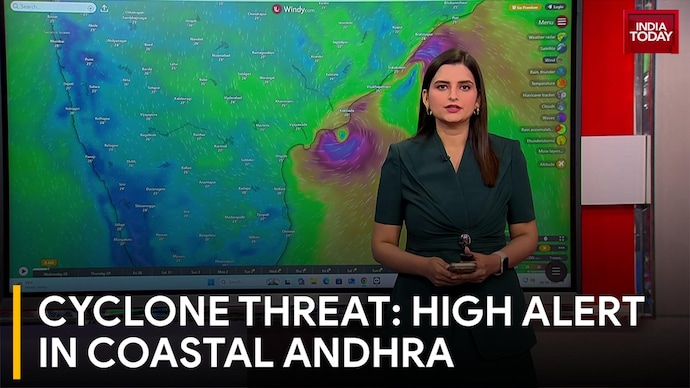
Cyclone Threat in Andhra Pradesh: Landfall Process Begins, Coastal Areas on High Alert

Andhra Pradesh and neighbouring eastern coastal states remained on high alert as the landfall process of a severe cyclonic storm got underway. Severe weather impacted several areas, with coastal regions like Konaseema witnessing wind speeds reaching 150 to 160 kilometres per hour accompanied by heavy rainfall, alongside high tides along beaches in Kakinada. The state administration reviewed preparedness and issued advisories urging residents to remain indoors, avoid non-essential travel, and prevent canal breaches to curb flooding. The government prioritised avoiding casualties and mitigating property and infrastructural destruction. While severe conditions battered coastal belts during the early hours, conditions showed signs of gradual easing following landfall as the system moved inland.

advertisement

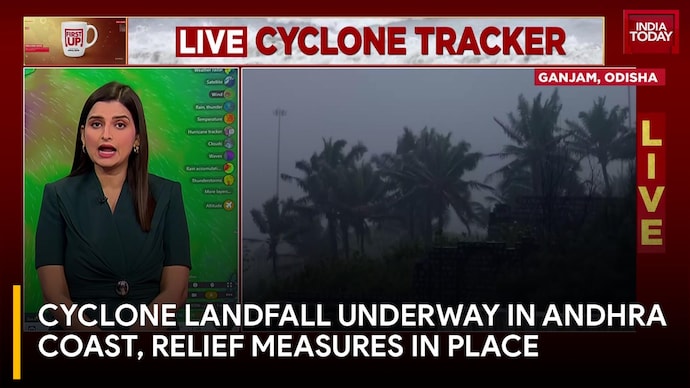
Cyclone Landfall Underway In Andhra Pradesh, Heavy Rain Hits Coast As Relief Measures Intensify

The landfall process of the cyclone is currently underway along the coastal regions of Andhra Pradesh and is expected to continue for two to three hours. Strong gusty winds and heavy rainfall have been reported in the affected areas. Preemptive power cuts remain in place across the landfall zones to prevent untoward incidents, with power to be restored once safety clearances are granted. Administrative authorities and field officers are focused primarily on rescue and relief operations, assessing potential damage to lives and livestock. The state machinery is actively monitoring the situation to shift affected individuals to medical centres or rehabilitation camps, working towards ensuring zero loss of life.