Vietnamese crab exporter
Advertisement

BRICS in Delhi: PM Modi-Xi Jinping's bilateral talks, security cooperation in focus

India is hosting the 18th BRICS Summit in New Delhi on September 12 and 13, bringing together member nations under the themes of resilience, innovation, cooperation, and sustainability. The event highlights the growing role of the 11-member bloc as a multilateral platform for the Global South amidst shifting geopolitical dynamics. Chinese President Xi Jinping is attending the summit, marking his first visit to India since the 2019 Mamallapuram meeting and the 2020 Galwan Valley border clashes.

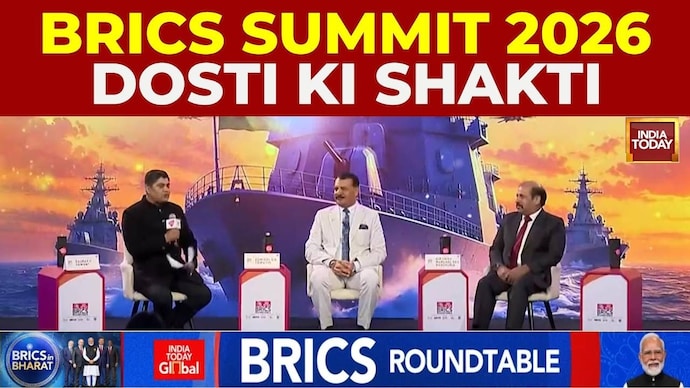
Potential bilateral talks between Indian Prime Minister Narendra Modi and President Xi on the sidelines focus on Line of Actual Control border stability, trade deficit issues, high-tech export curbs, and people-to-people connectivity. An India Today panel featuring former military chiefs, Air Chief Marshal RKS Bhadauria and Admiral DK Tripathi analysed the geopolitical impact of the gathering. Their discussion covered non-traditional security challenges, maritime security in critical choke points like the Strait of Hormuz, counterterrorism, cybersecurity, humanitarian assistance, localised defence manufacturing, and global supply chain disruptions impacting the energy and fertiliser sectors.

Read More

VIDEOS FROM OTHER SECTIONS

LATEST VIDEOS

Path To Peace Still Passes Through Power: Admiral Dinesh Tripathi At BRICS Roundtable

At the India Today Global Aaj Tak BRICS Roundtable, former Chief of Air Staff Air Chief Marshal R.K.S. Bhadauria and Chief of the Naval Staff Admiral Dinesh K. Tripathi analyzed geopolitical security, defense diplomacy, and economic resilience surrounding the 18th BRICS Summit. Discussing Chinese President Xi Jinping's visit to India and bilateral relations along the Line of Actual Control (LAC), Air Chief Marshal Bhadauria noted that high-level talks directly impact bilateral ties and regional stability. Admiral Tripathi described BRICS as a pragmatic multilateral platform rather than a military alliance, emphasizing that the path to peace requires strategic power. Both military leaders evaluated maritime security, counterterrorism, critical infrastructure protection, supply chain localization under the Atmanirbharta initiative, and defense exports. The panel also addressed non-traditional security threats, including artificial intelligence, cybersecurity vulnerabilities, and energy security risks along global trade choke points such as the Strait of Hormuz, while affirming the enduring strategic foundation of India-Russia bilateral defense relations.
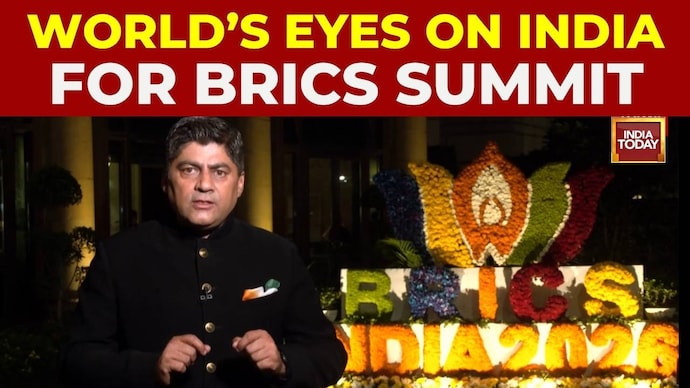
BRICS Summit In Delhi: Chinese President Visit, Putin Bilateral And Modi Talks

Chinese President Xi Jinping is scheduled to attend the BRICS Summit in New Delhi, arriving on 12 September for his first visit to India in seven years. A bilateral meeting between Prime Minister Narendra Modi and the Chinese President is on the cards alongside an economic agenda involving a 400-member business delegation. Additionally, Russian President Vladimir Putin is arriving in Delhi for a scheduled bilateral meeting with the Indian Prime Minister ahead of the summit. Prime Minister Modi is also slated to engage with other BRICS leaders and partner countries during the multilateral gathering in the national capital.

India Hosts 18th BRICS Summit, Champions Global South Voice Amid Geopolitical Conflicts

India is set to host the 18th BRICS Summit in New Delhi on September 12 and 13, focusing on resilience, innovation, cooperation, and sustainability. As global trade, oil, and energy supplies face disruption from conflicts such as the Russia-Ukraine war and tensions in West Asia, the summit aims to strengthen multilateralism and amplify the voice of the Global South. Russian President Vladimir Putin noted the rise of new growth centres across the Global South, including South Asia, India, Indonesia, and Africa. Former G20 Sherpa Amitabh Kant emphasised the need to avoid an anti-West stance while building consensus among expanded members such as Iran, Saudi Arabia, and the United Arab Emirates. With South Africa also advocating for inclusive global governance, India's BRICS presidency focuses on securing access, development, and greater representation for emerging economies in the shifting international order.

advertisement

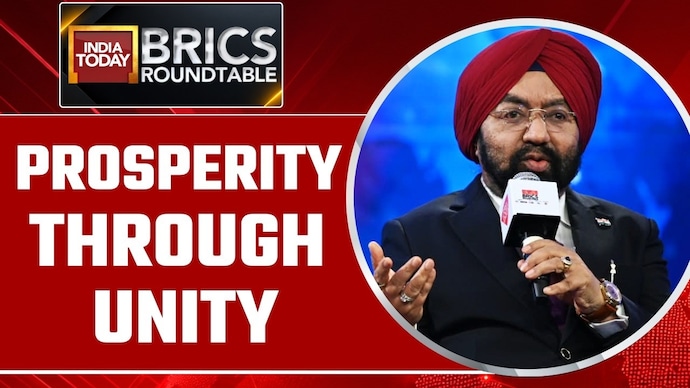
BRICS Must Unify to Tackle Supply Crises: MP Vikramjit Singh Sahney

In an exclusive conversation, Rajya Sabha Member of Parliament and BRICS Business Council member Dr. Vikramjit Singh Sahney outlines the strategic relevance of the BRICS grouping amid evolving geopolitical and economic dynamics. Sahney emphasizes that the 11-member bloc represents nearly half of the global population and serves as a vital platform for South-South cooperation. Highlighting severe global supply chain disruptions caused by conflicts in West Asia and the Red Sea, he discusses the soaring freight and fertilizer costs impacting economies worldwide. Sahney advocates for strengthening intra-BRICS trade by harmonizing standards, eliminating non-tariff barriers, utilizing local currency settlements to ease foreign exchange pressures, and promoting skill mobility for youth across member nations. He also underlines the potential of artificial intelligence in advancing agriculture, healthcare, and education across emerging markets.