Vietnamese crab exporter
Advertisement

Delhi Police rolls out new SOP for protest management, intelligence gathering

This India Today report on 'India First' details a major revision of standard operating procedures by the Delhi Police for protest management and crowd control in the national capital. Issued under Delhi Police Commissioner Anurag Kumar, the Special Branch directive mandates a 10-point intelligence gathering playbook requiring data on protester profiling, leadership, funding, and logistics following security lapses during the July 20 Sansad Chalo protest. In a panel debate featuring BJP spokesperson Nalin Kohli, Congress advocate Adil Singh Boparai, and former police officer AK Jain, participants discussed police accountability, student demonstrations, and democratic rights. The broadcast also features statements from Chief of Defence Staff General Anil Chauhan regarding Operation Sindoor, launched in May 2025 after the Pahalgam terror attack, detailing military strategy involving Pakistan, Sargodha, and Bolari.

Read More

VIDEOS FROM OTHER SECTIONS

LATEST VIDEOS

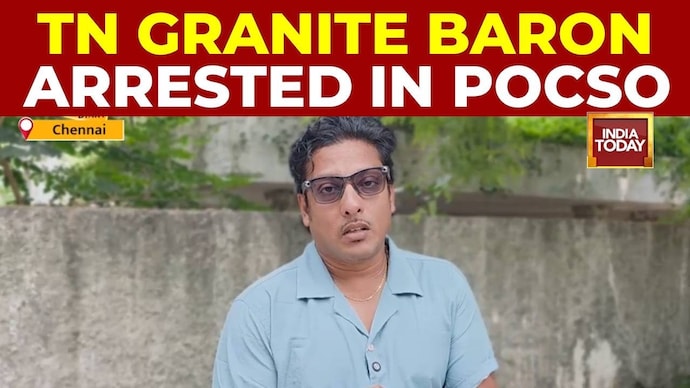
Veeramani Arrested in POCSO Case: 3 Held, Initial Police Lapses Under Lens

A major scandal has emerged in Tamil Nadu involving granite mining baron Veeramani, who has been arrested alongside Shanti and Mahendra Simon for the alleged sexual abuse of minors. The case, spanning allegations dating back over two decades and a 2019 incident, centers on video evidence recovered from a pen drive. Earlier, police spent nearly five months investigating before claiming lack of evidence and unable to identify the victim, seeking case closure. Following intervention by the POCSO Court and a change of regime, police identified the victim and the residential premises within twenty days, leading to the arrests and raising critical questions over earlier investigative lapses.

37 Lakh Bengal SIR Appeals Pending, EC Seeks 42 Tribunals, SC Hearing Ahead

Ahead of the Supreme Court hearing on the Bengal Special Intensive Revision matters, an affidavit filed by the Election Commission highlighted that thirty-seven lakh appeals remain pending out of over thirty-eight lakh total filings. With nineteen existing tribunals deciding only one lakh twenty-six thousand cases over six months, disposing of the backlog could take up to twelve years. The Election Commission suggested expanding tribunals to forty-two, aligning with parliamentary constituencies, and introducing software for remote hearings. The poll body also denied allegations of mass voter disenfranchisement affecting election outcomes, presenting vote margins against voter deletion data across constituencies.

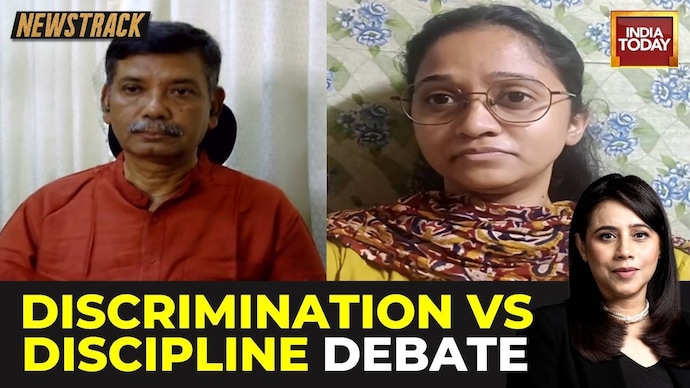
Student Suicides Debate: 'Higher Education Campuses Need To Be More Human', Says Badri Narayan

A debate on student suicides and allegations of harassment in higher educational institutions brought together Professor Badri Narayan, Vice Chancellor of the Tata Institute of Social Sciences, and student activist Deepti Shelar. Addressing questions on institutional accountability and mental health, Professor Badri Narayan pointed out the mission under the National Education Policy to build more humane and supportive university environments. He remarked, 'Data says that many in 10 years or 20 years, more than thousands, many thousands cases happen in educational institutions', stressing that faculty and peer groups must remain vigilant to identify distress early. Meanwhile, Deepti Shelar highlighted student unrest over alleged caste discrimination and demanded strict administrative accountability, including the immediate removal of officials accused of pressurizing students. Professor Badri Narayan noted that ongoing police inspections are probing circumstances, warning against rushing to conclusions as investigations examine whether issues stem from societal factors, opinion polarization, or mental health pressures.

advertisement

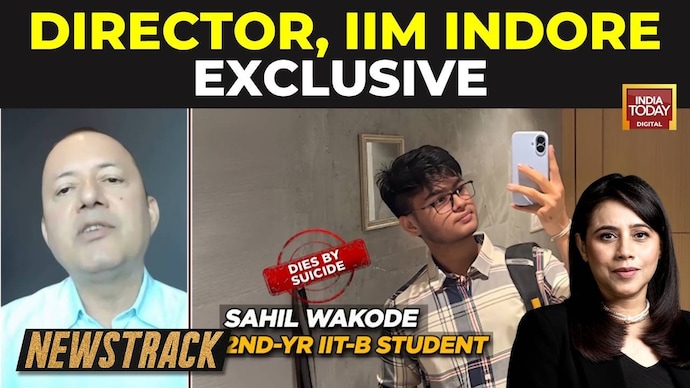
Dr. Himanshu Rai: 'Solidarity Is Legitimate, Prejudgment Is Not'

In an interview, Dr. Himanshu Rai, Director of the Indian Institute of Management Indore, addressed institutional protocols regarding caste harassment allegations and academic malpractice. He emphasized the distinction between internal inquiries and police probes under the SC/ST Act, stating, "The solidarity is absolutely legitimate. The prejudgment is not, and therefore, a faculty association is perfectly entitled to say that a colleague deserves due process." Discussing student discipline and tragic outcomes, he stated that an academic violation and a caste discrimination complaint must be assessed independently, noting that academic rules must be enforced regardless.