Vietnamese crab exporter
Advertisement

Bengaluru stampede: Can Siddaramaiah government escape blame?

A judicial inquiry report into the deadly stampede at Bengaluru's Chinnaswamy Stadium blames the Royal Challengers Bangalore (RCB), event managers DNA Networks, and the Karnataka State Cricket Association (KSCA) for organising an unauthorised victory parade that left 11 people dead on June 4. The report appears to exonerate the Siddaramaiah government, sparking a political debate over accountability. The government argues it was a private event and that action was taken against police officials for their lapses. But, can Siddaramaiah government escape the blame? Watch as experts debate this and more on the show. 


Read More

VIDEOS FROM OTHER SECTIONS

LATEST VIDEOS

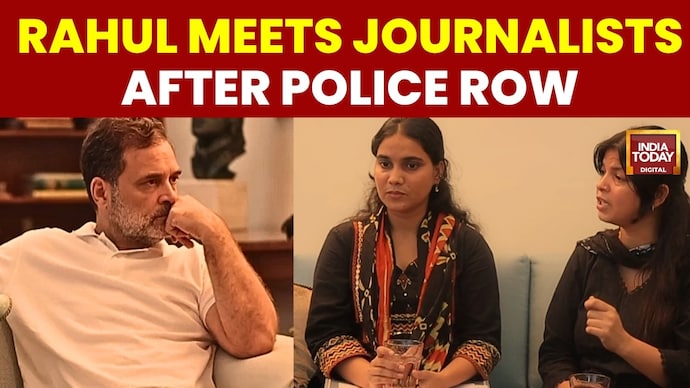
Delhi Police Action on Women Journalists, Jantar Mantar Detentions Spark Row

A major controversy has erupted over allegations of mistreatment and detention of women journalists by Delhi Police during protests in the national capital. Scribes recounted being unlawfully detained, dragged, having their phones snatched, and facing intimidation inside a police station while covering events. Questions have been raised regarding the non-registration of a First Information Report despite formal complaints lodged by the affected media personnel. Demands have also emerged seeking the public release of CCTV footage of the incidents and strict action against responsible police personnel. Concerns were further highlighted regarding curbs on protesters at Jantar Mantar and the alleged suppression of journalists reporting from the ground.
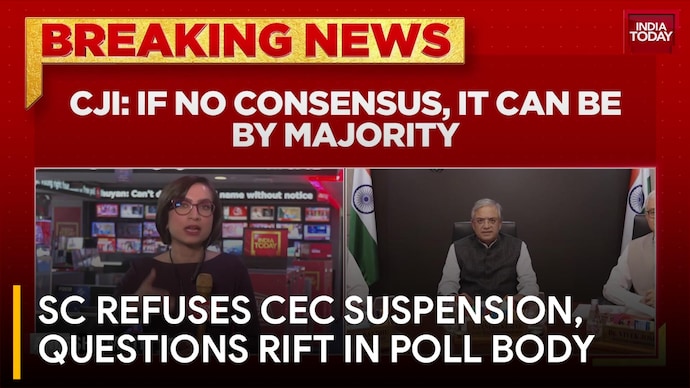
Supreme Court Refuses CEC Suspension, Questions Consensus Claim and Poll Body Decisions

The Supreme Court has refused to pass an interim order to suspend Chief Election Commissioner Gyanesh Kumar following petitions raising claims of internal rifts within the Election Commission of India. During the hearing, the Chief Justice of India questioned the reliance on newspaper reports alone, observing that decisions in the three-member poll body can be taken by majority if there is no unanimity. Senior advocates Vikas Singh and Menaka Guruswamy, appearing for the petitioners, highlighted concerns over unilateral decisions and the integrity of the election process, seeking interim directions. The court inquired into the statutory procedures governing commission meetings, examining whether decisions were backed by unanimous consent, majority agreement, or taken unilaterally by the Chief Election Commissioner. Declining immediate interim relief on the basis of unverified media reports, the Supreme Court issued notice to the poll body and the election commissioners, directing them to submit clarifications and relevant documentation on decision-making processes.

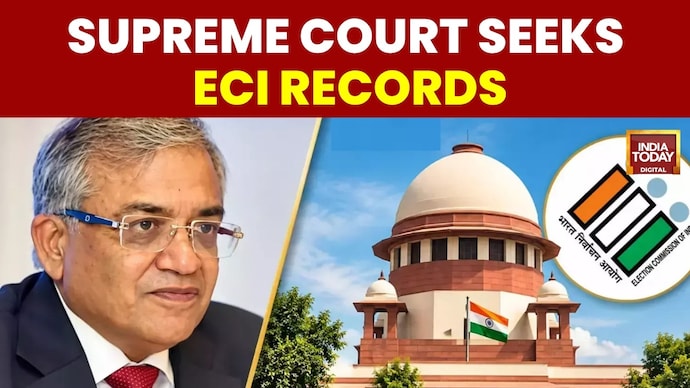
Supreme Court Examines CEC Decision Powers, Form 6 Alterations And Special Intensive Revision Row

The Supreme Court has issued notice to the Election Commission of India regarding petitions challenging unilateral decision-making by the Chief Election Commissioner. Petitioners before the court raised questions about whether the Chief Election Commissioner acted alone in modifying Form 6 and implementing decisions related to the Special Intensive Revision exercise across several states. Arguments also focused on Section 18 of the newly amended Election Commissioners Act, which grants blanket immunity from prosecution to poll officials after leaving office. Petitioners contended that arbitrary modifications led to voter deletions and disenfranchisement. The court clarified that the law mandates unanimity or a majority in commission decisions, noting it retains the power to overturn illegal actions. The bench indicated that Election Commission records and file notings would be examined to verify how decisions were reached.

advertisement

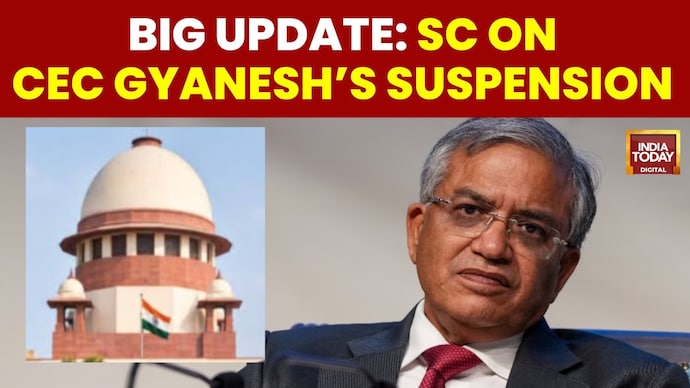
SC Refuses To Suspend CEC Gyanesh Kumar, Issues Notice On Unilateral Decision Plea

The Supreme Court has declined to pass an interim order to suspend Chief Election Commissioner Gyanesh Kumar following allegations that decisions within the Election Commission of India were taken unilaterally without consensus from fellow election commissioners. A bench comprising Chief Justice Surya Kant, Justice Joymalya Bagchi, and Justice V. Mohana issued notices to the Election Commission, the three election commissioners, and the government on a public interest litigation petition. Senior advocates Vikas Singh and Menaka Guruswamy, appearing for the petitioners, argued that provisions of the Election Commission Act requiring unanimous or majority decisions were violated, raising concerns over voter list deletions across states including Delhi and Bengal. The apex court noted that an order cannot be passed without hearing the other side or solely based on news reports, while observing that constitutional authorities are expected to act according to the law and affirming that any illegal decisions can be overturned after due examination.