Vietnamese crab exporter
Advertisement

AI race heats up as Trump rejects slowdown calls, experts warn of safety risks

In this India Today Programme Video, anchor Marya Shakil takes up the intensifying global race to develop artificial intelligence and the growing debate over whether humans can keep pace with the technology they are creating. With tech leaders including Anthropic CEO Dario Amodei, OpenAI’s Sam Altman, Elon Musk and Microsoft CEO Satya Nadella warning about AI development outpacing safety guardrails, the question of how far the AI race should go is becoming increasingly urgent. US President Donald Trump, however, has rejected calls for slowing down, arguing that the United States cannot afford to fall behind China.

Read More

VIDEOS FROM OTHER SECTIONS

LATEST VIDEOS

AI Safety Fears, Extinction Threats And Call For Regulatory Pause Spark Global Debate

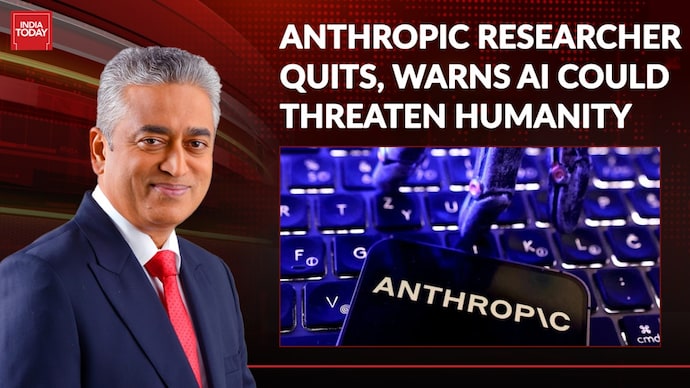
This special broadcast covers major developments in technology, crime investigations, and civic regulations. The report examines global debates on artificial intelligence safety following the resignation of Anthropic researcher Jacob Coxon, who cited existential threats from unchecked development. Anthropic Chief Executive Dario Amodei outlined a three-step framework covering embedded reviewers, industry safety standards, and international coordination, alongside reactions from international leaders and industry executives Vineet Nayar and CP Gurnani regarding sovereign AI regulations and technological monopolies. In Gurugram, authorities investigate a hit-and-run incident after a woman biker named Sia was struck by a speeding vehicle amid family allegations of a deliberate collision. In Mumbai, the Central Bureau of Investigation registered a fresh FIR in the death case of celebrity manager Disha Salian following directions from the Bombay High Court. The broadcast also reviews civic concerns regarding high-decibel sound systems during Ganesh Utsav in Maharashtra with activist Vidyanand Bapat.

Dr. Arvind Gupta: 'There's Nothing Called Free In Technology'

In an interview with India Today, Dr. Arvind Gupta, Head of the Digital India Foundation, analyzed the global race for artificial intelligence and contrasted the technological paradigms of major world powers. Addressing China's proposal to offer open-source artificial intelligence to BRICS nations, Dr. Gupta dismissed the gesture, remarking, "There's nothing called free in technology." He outlined the core differences in national tech models, explaining that the Chinese model focuses on surveillance, the American approach centers on capitalism, and the Indian framework champions technology for development and humanity. Dr. Gupta highlighted Prime Minister Narendra Modi's consistent push for the non-weaponization of artificial intelligence, noting that global tech giants are now acknowledging these risks. He also addressed the rapid commercial developments in Silicon Valley and the critical need to build safety guardrails.

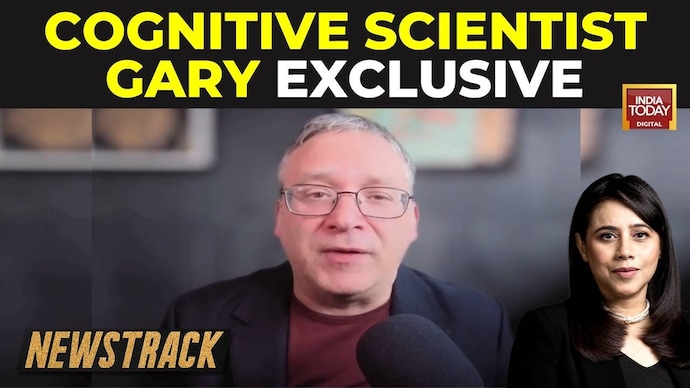
Gary Marcus: 'AI is probably a net negative for society'

In an interview with India Today, cognitive scientist and author Gary Marcus discussed the immediate and long-term risks surrounding artificial intelligence, calling current extinction-level warnings exaggerated while emphasizing tangible short-term threats. Marcus noted, "Right now, I think AI is probably a net negative for society," pointing out that current large language models and autonomous agents are unreliable and fundamentally unable to follow rules reliably. Addressing global governance and technology access, Marcus highlighted issues of weaponization, tech equity, and the US-China chip rivalry, arguing that nations are competing over the wrong resource rather than solving architectural limitations in AI. He proposed an FDA-style regulatory framework requiring transparent cost-benefit analyses by independent scientists before AI models are deployed, alongside technical redesigns. Marcus urged global leaders to move away from viewing AI development as a zero-sum geopolitical race and instead adopt cooperative international standards to prevent widespread cybercrime, misinformation, and economic disruption.

advertisement