Vietnamese crab exporter
Advertisement

Delhi through her eyes: India Today reporters check how safe is capital for women

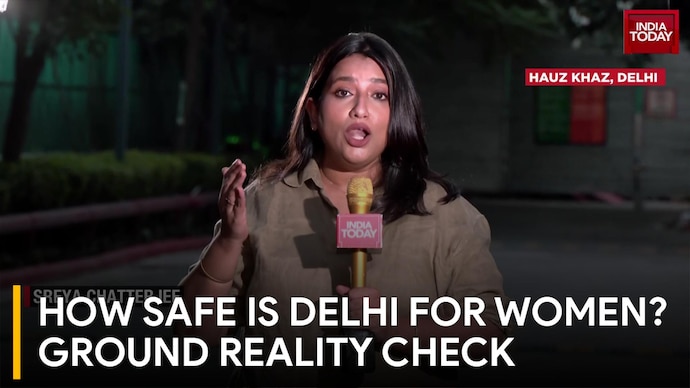
In an India Today reality check titled 'Delhi Through Her Eyes' on To The Point, anchor Preeti Choudhry and five female journalists investigate street harassment and women's safety across the national capital. Following recent sexual assault incidents, including the gang rape of a 17-year-old girl in south Delhi's Aastha Kunj Park, reporters conducted on-ground assessments across locations including Hauz Khas Village, Connaught Place, AIIMS, Lady Shri Ram College, Kailash Colony Park, and West Delhi. Journalists documented on camera instances of ogling, tailgating, flashing, stalking, and drivers repeatedly stopping to offer unsolicited rides. The report highlights infrastructure lapses, including dark public stretches and missing CCTV cameras. Comparing present-day ground reality with footage from 2012, the panel examines pervasive street harassment and societal victim-blaming. Following the incidents, Delhi University students assembled at the YMCA auditorium, submitting a charter of demands to the Prime Minister's Office and warning of demonstrations at Jantar Mantar.

Read More

VIDEOS FROM OTHER SECTIONS

LATEST VIDEOS

Delhi Women Safety: 14 Years After Nirbhaya, Ground Test Shows Zero Change

A special report revisits women's safety in the national capital following the gang rape of a seventeen-year-old and reported assaults on five minors over five weeks. The broadcast draws a direct comparison between ground investigations conducted in 2012 after the Nirbhaya case and present-day conditions near Moolchand Flyover at night. Reviewing archival footage from 2012 alongside current field reports, the anchor notes that despite fourteen years having elapsed, identical experiments yielded the same troubling outcomes on Delhi streets.
Women's Safety in Delhi: 'Why Do They Feel Entitled To Ask Any Woman?'

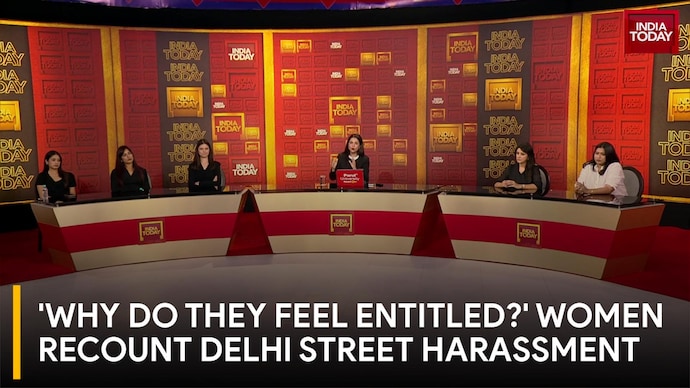
In this broadcast discussion, female reporters recount their experiences during an investigative social experiment on women's safety across various public locations in the national capital, including AIIMS, West Delhi, Lady Shri Ram College, and Hauz Khas. The reporters describe being repeatedly approached, stalked, and followed by cars and two-wheelers during regular evening hours. One journalist shares how a driver repeatedly offered lifts despite multiple direct refusals, highlighting male entitlement and pervasive harassment in public spaces. Another contributor discusses being shadowed near dark stretches by educational institutions and touched inappropriately while boarding transit, emphasizing the chronic anxiety women navigate daily. The panel reflects on how society has normalized the intrusive male gaze and street harassment, noting that public spaces are often wrongfully treated as male domains where women are viewed as vulnerable targets.

Aastha Kunj Park Ground Report: Dark Stretches, Broken CCTVs & Zero Gate Checks

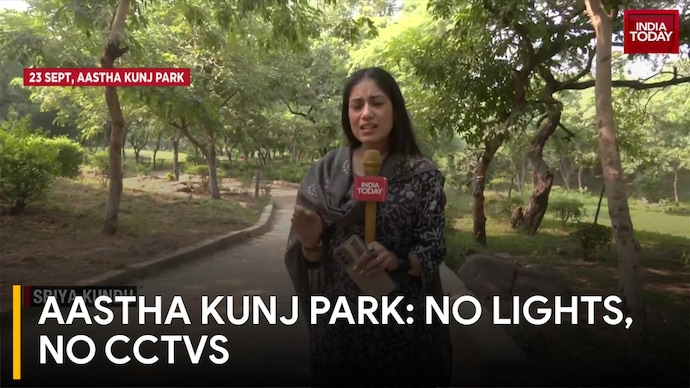
A ground report from Delhi's Aastha Kunj Park highlights glaring security lapses in the wake of an incident involving a 17-year-old girl and her friend after visiting the Kalkaji Temple. The DDA-maintained park suffers from severe lack of lighting, with no visible streetlights across its expansive grounds after sunset. Surveillance remains absent, as CCTV cameras are missing or dysfunctional according to local complaints. Despite official closing times, several perimeter gates remain open and unmonitored well after hours, exposing significant administrative lapses by responsible authorities.

advertisement

Delhi Women Safety: Stalking, Ogling & Unsolicited Offers On Roads

An India Today Reality Check titled 'Delhi through her eyes' assesses women's safety across Delhi following reports of four minors being raped within twelve days. Four female reporters investigated various parts of the national capital, including Hauz Khas Village, Connaught Place, Lajpat Nagar, AIIMS, Patel Nagar, Kirti Nagar, Janakpuri, and Tilak Nagar. The investigation highlighted widespread stalking, blatant ogling, dark stretches near colleges, and unsolicited approaches by motorists. Near AIIMS, several drivers stopped to offer rides, with some returning after refusal to make inappropriate propositions. In West Delhi, reporters encountered dark spots near educational institutions and men repeatedly trailing or attempting close physical proximity. The report illustrates the persistent harassment faced by women in public spaces during standard evening commute hours.