
Startup hires Skyroot to launch satellites to beam sunlight on Earth at night

A new agreement gives a US startup access to India's commercial launch capabilities as it works towards deploying a satellite network with an unconventional purpose.

 Last UpdatedOct 15, 2026 12:05 IST
 Published by
India's Skyroot Aerospace has secured a new international customer in a rather unusual business of helping bring sunlight to places on Earth after dark.
The Hyderabad-based space company has signed an agreement with US company Reflect Orbital for two dedicated launches using its Vikram rockets.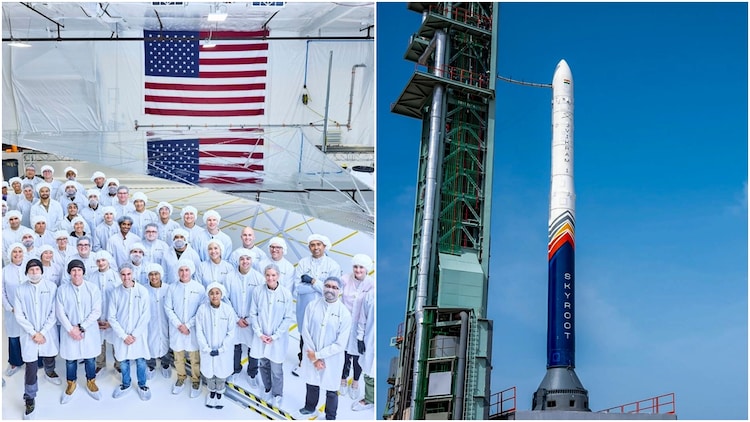
The missions will carry Reflect Orbital's future satellites, which are designed to use mirrors in space to redirect sunlight towards selected locations on Earth.
Announced on October 14, the agreement gives Reflect Orbital dedicated launch capacity as it builds its satellite network. The companies have not disclosed the launch dates or financial details yet.
HOW WILL MIRRORS BRING SUNLIGHT TO EARTH?
Reflect Orbital is developing satellites fitted with mirrors that can reflect sunlight towards specific areas on the ground. The idea is to provide additional illumination after sunset without installing new lighting infrastructure on Earth.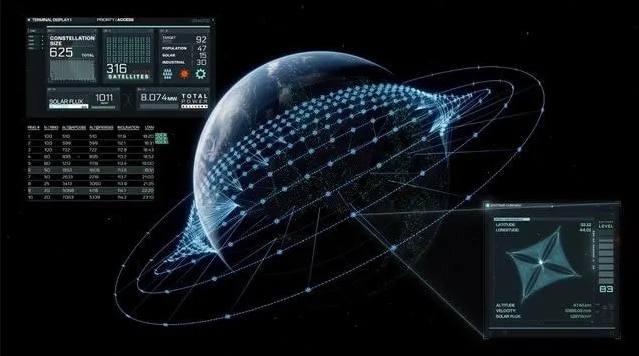
The company sees potential applications in emergency search-and-rescue operations, construction sites and solar farms that could benefit from additional sunlight after sunset.
For solar farms, the idea is to extend the period during which panels can receive sunlight and generate electricity. However, how much additional power the system can deliver in practice remains to be demonstrated.
The technology is also likely to raise questions about light pollution and its effect on astronomical observations. Reflect Orbital has acknowledged concerns about protecting dark skies and says it wants to engage with astronomers, communities and regulators.
The latest agreement, however, does not mean the service is already available.
Reflect Orbital still needs to deploy its spacecraft and demonstrate how well the system works in real-world conditions. As of today, no launch dates have been announced for its two missions with Skyroot.
SKYROOT CONTINUES TO FLY
Founded in 2018, Skyroot has emerged as one of India's prominent private space companies by developing rockets designed to carry satellites into space.
The company made history, on July 18, when its Vikram-1 rocket successfully reached orbit from Sriharikota. The mission made Skyroot the first Indian private company to launch an orbital-class rocket into space from Indian soil.
The company is now seeking to build on that achievement by attracting international customers. Its agreement with Reflect Orbital follows its first international customer mission for Germany's DCubed.
The partnership signals growing interest in India's private launch capabilities, while giving Reflect Orbital another route to space as it works towards its plan to shoot sunlight from orbit.