
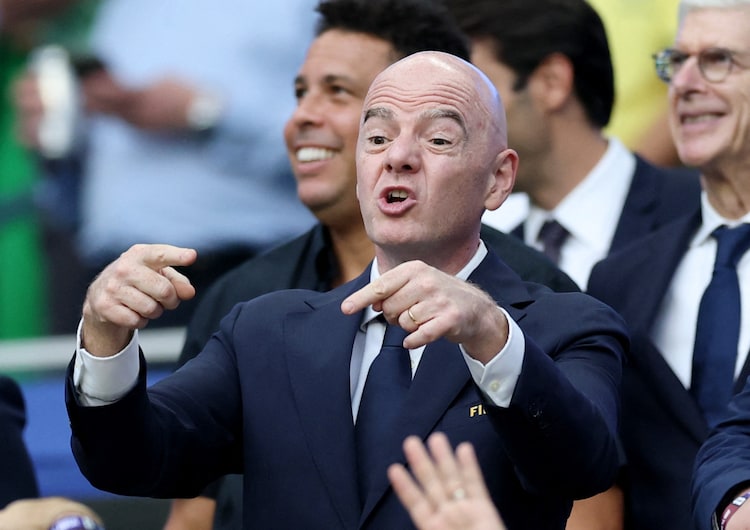
The greed that finally swallowed Gianni Infantino

The failed World Cup stake-sale proposal was more than a commercial misstep. It became the moment football collectively questioned where Gianni Infantino's ambition ended and his greed began.
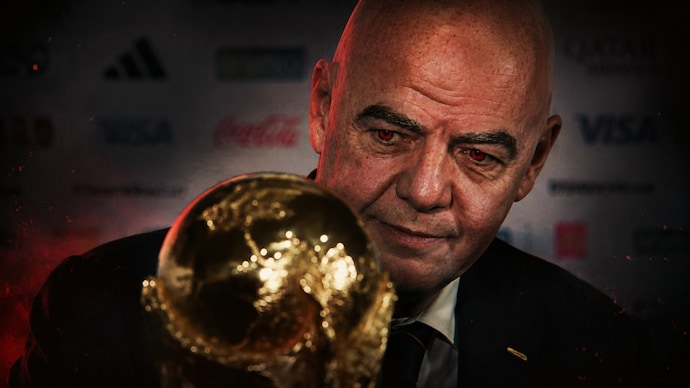
Gianni Infantino's World Cup stake-sale proposal collapsed within four days.

New Delhi,UPDATED: Aug 4, 2026 09:33 IST
"Pride goeth before destruction, and a haughty spirit before a fall." — Proverbs 16:18
Gianni Infantino has never really had to deal with the consequences of hearing "enough". If anything, the FIFA president would have come away from the World Cup in the United States feeling football could absorb almost anything so long as the product on the pitch remained compelling.
Months of criticism over ticket prices that priced out ordinary supporters, the political storm surrounding Iran's participation, refereeing controversies and accusations that FIFA had lost sight of the people who made the tournament what it is did little to dent the commercial success of the competition.
By the time Spain lifted the trophy in New York, the conversation had already returned to television audiences, sponsorship figures and yet another World Cup that had earned more than the last.
After a tournament like that, perhaps it became easier to believe football's tolerance had no real limit. Every football fan across the globe knew that Infantino is more and more likely to make another audacious attempt at bringing in a big change or another massive revamp that would cause controversy. That certainly would not have felt out of character for him.
What Infantino appears to have misjudged was not football's appetite for change, but the competition he had chosen to change.
The World Cup occupies a place unlike anything else in sport. As the events of the past week made clear, it remains the most cherished sporting event of all, almost at a sacred level.
The proposal to sell a commercial stake in the World Cup felt like the next step in a presidency that has spent years asking football to accept one more change in the name of growth.
Most of Infantino's ideas were criticised before eventually being accepted. This one wasn't.
Within four days, the proposal had unravelled, one of Infantino's closest advisers had resigned, UEFA and the Asian Football Confederation had publicly questioned the process and FIFA was left confronting something it has rarely experienced under its current president: the game had collectively decided that there was a line it wasn't prepared to cross.
The speed of the backlash also exposed something else.
Football had accepted almost every previous expansion because, however controversial those decisions were, they could still be defended as changes to the game. Selling a stake in the World Cup felt different because, for the first time, the conversation drifted away from football itself and towards the idea of ownership.
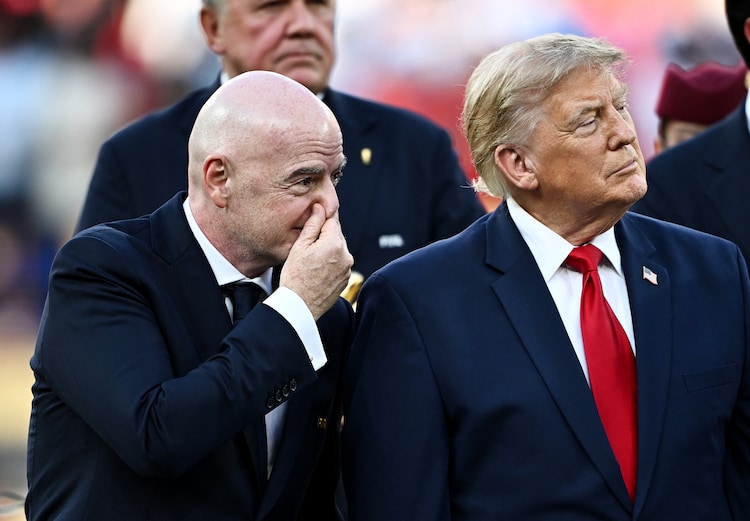
The World Cup proposal suggested that FIFA no longer saw itself merely as the guardian of football's greatest tournament. It behaved, however briefly, like its owner.
Everything had been carefully choreographed. On the eve of the World Cup final in New York, Gianni Infantino was preparing to unveil a proposal to sell a stake in FIFA's competitions to private investors, including Joshua Kushner, the brother of Donald Trump's son-in-law Jared.
Instead, the story leaked before FIFA was ready.
Within days, the planned launch had turned into a full-blown crisis, ending not with applause but with FIFA abandoning the proposal.
WHEN THE ROOM WALKED AWAY
Gianni Infantino's biggest problem wasn't that football rejected his proposal. Bad ideas come and go. His problem was that, one by one, the people who would normally help him defend them chose not to.
Carlos Cordeiro's resignation was the first sign this wasn't another week of routine football politics. Advisers argue with presidents all the time. They rarely walk away from a proposal they helped shape. Cordeiro did, leaving Infantino defending a plan that had already begun falling apart.
The criticism that followed came from places Infantino could least afford to lose. UEFA questioned how a proposal of this scale had reached the table without proper consultation. The AFC went further, saying the episode had exposed "fundamental weaknesses in FIFA's consultation and decision-making processes that must now be addressed." Those weren't objections to private equity but were clear questions rised against how FIFA was being run.
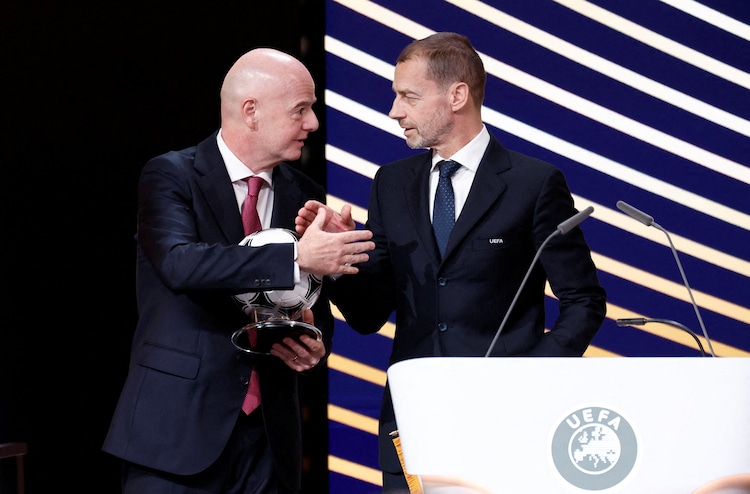
Concacaf wasn't rushing to rescue its president either. Reports suggested member associations were either losing faith in Infantino or had already lost it, while at least one UEFA member withdrew its letter backing his re-election.
The support Infantino has spent years carefully building also looked noticeably less secure.
Perhaps that explains why Infantino felt the need to address the controversy himself. In a video released as the backlash intensified, he insisted "nobody is selling football" and accused sections of the media of misleading supporters.
Nobody thought football itself was being sold. The question was why selling a stake in the World Cup had become a serious discussion inside FIFA at all.
Then came another uncomfortable admission. FIFA chief operating officer Kevin Lamour said the organisation itself had been "deceived" over the project. That only deepened the mystery. If FIFA had been deceived, who inside FIFA had taken the proposal this far?
THE PRICE OF PUSHING TOO FAR
For all the billions attached to the proposal, Gianni Infantino wasn't really gambling with money. He was gambling with something far more valuable in football politics.
The World Cup only works because every confederation believes it has an equal stake in its future, even if FIFA owns the tournament and controls the commercial rights. The moment UEFA openly questioned the proposal and the AFC followed with its own unusually blunt criticism, this stopped looking like another disagreement over governance.
That is not a contest any FIFA president wants to lose.
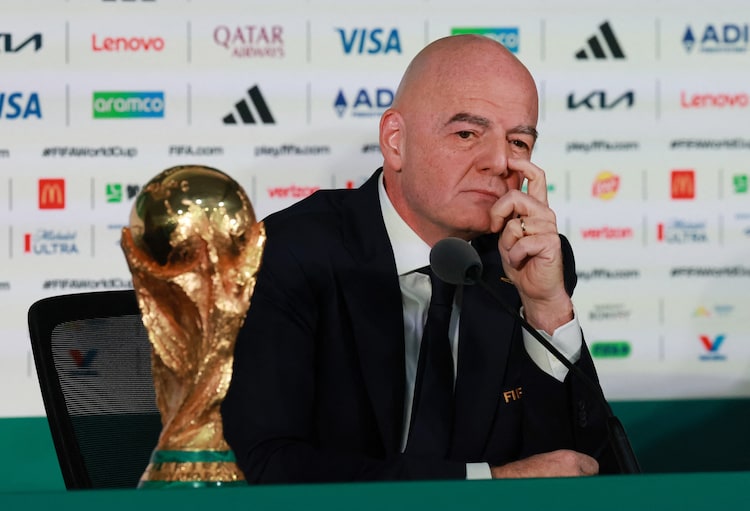
Had Infantino chosen to force the proposal through, he would have risked creating the biggest fracture in modern football governance. UEFA has never hidden its willingness to defend its own interests and, with Europe's clubs, broadcasters and commercial influence behind it, the prospect of an alternative global competition would no longer have belonged entirely to the realm of fantasy.
It wouldn't have happened overnight, and perhaps not at all, but football had suddenly reached the point where people were willing to ask the question.
Infantino understood that. It is why the proposal disappeared almost as quickly as it had arrived.
THE WORLD NOW KNOWS THE REAL INFANTINO
Gianni Infantino has overseen three World Cups, transformed FIFA's finances and expanded the sport into markets previous administrations could only dream about.
What has changed is the way football is likely to look at him from now on.
Until last week, every controversial decision carried the benefit of the doubt. You could argue that a bigger World Cup gave more countries an opportunity, with the likes of Cabo Verde's World Cup 2026 standing as the screaming example.
You could argue that expanding competitions generated more money for development. You didn't have to agree with those arguments, but they existed. Selling a stake in the World Cup left very little room for that conversation.
It became much harder to convince people this was about growing football rather than stretching the commercial value of the one competition that never needed stretching in the first place.
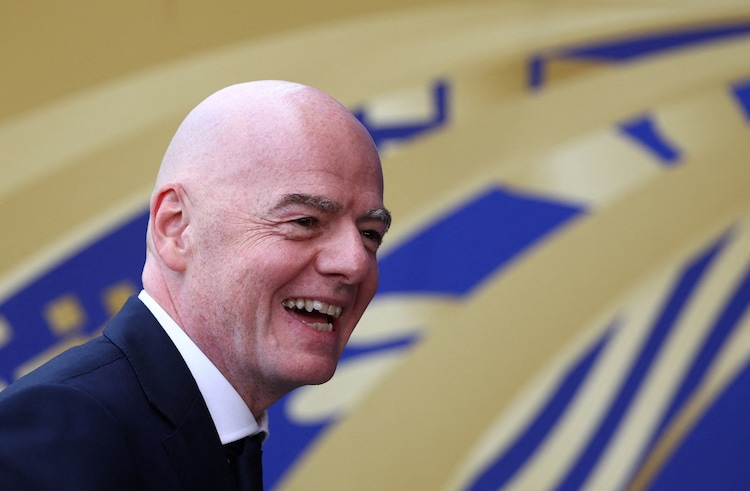
That matters because football politics is built as much on perception as votes. Gianni Infantino has won elections because enough associations believed his vision for FIFA aligned with theirs. The events of the past week have made that relationship look rather different.
Inside football, people have already begun talking about life after Gianni Infantino.
Gianni Infantino isn't out of that FIFA chair yet. He may even win another election. But for the first time since he arrived promising to clean up FIFA after Sepp Blatter, the conversation has shifted from what is Infantino planning next? to how much longer can he remain the man making those plans?
That is a far more difficult question to silence than any proposal.
- Ends