TOPIC
Aravalli
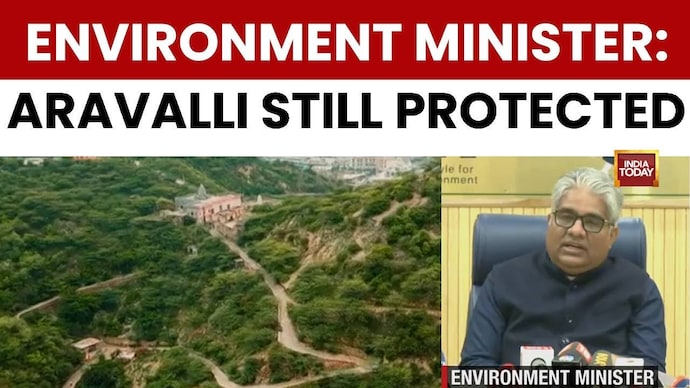
The Aravali Hills are considered one of the oldest mountain ranges in India. They were formed approximately 1.5 billion years ago, making them far older than the Himalayas. The Aravali range stretches across north-western India and is about 670 kilometres long. It begins near Palanpur in Gujarat and extends through Rajasthan, Haryana and Delhi, where it comes to an end.
The geographical and environmental importance of the Aravali range is immense. It acts as a natural barrier, preventing the Thar Desert from spreading into the fertile lands of eastern India. Additionally, it plays a crucial role in balancing the effects of the monsoon and maintaining groundwater levels. The forests of the Aravali help in storing rainwater, ensuring water availability in surrounding regions.
The Aravali region is rich in biodiversity. It is home to a wide variety of trees, medicinal plants and wildlife. Leopards, jackals, nilgai, foxes and numerous bird species are characteristic of this region. The mountain range has also been known for its mineral wealth; however, excessive mining has posed a serious threat to its existence.
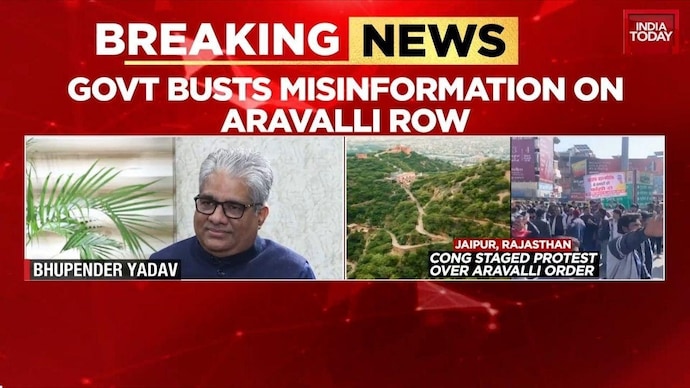
Today, the Aravali Hills are facing multiple environmental challenges. Illegal mining, encroachment, deforestation and rapid urbanisation are disturbing its natural balance. Experts believe that if the Aravali is not conserved, it will have a direct impact on climate, groundwater and human life.
The Aravali is not merely a mountain range but a strong foundation of India’s ecology. Its conservation is essential to ensure a clean environment and maintain natural balance for future generations.