TOPIC
Bhojshala Dispute
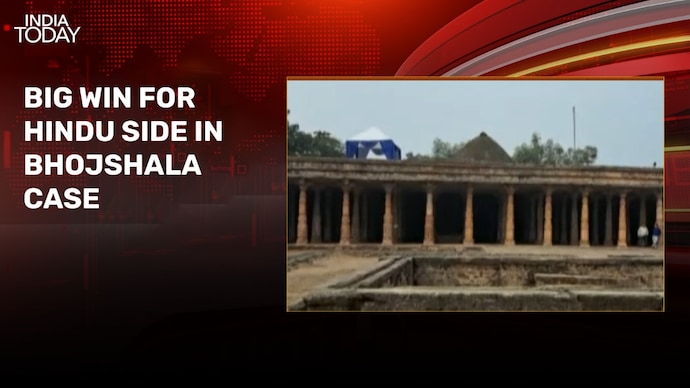
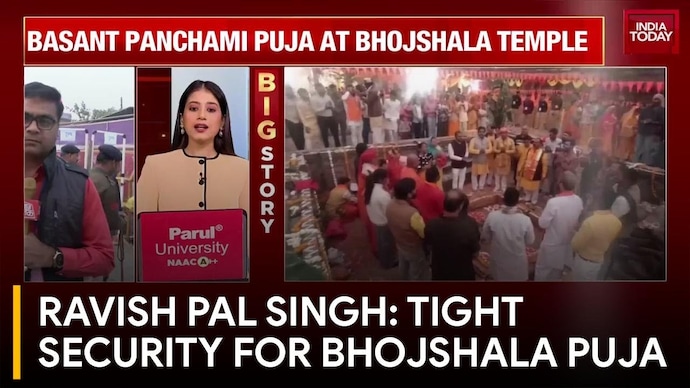
The Bhojshala dispute in Madhya Pradesh’s Dhar district is one of India’s longest-running religious and archaeological controversies, involving competing claims by Hindu, Muslim and Jain communities over a protected monument maintained by the Archaeological Survey of India (ASI).
The Hindu community considers Bhojshala to be an ancient temple dedicated to Goddess Vagdevi Saraswati and linked to the 11th-century Parmar king Raja Bhoj, who is credited with making Dhar a major centre of Sanskrit learning. The Muslim side identifies the structure as the Kamal Maula Mosque, while a Jain petitioner has claimed the complex was originally a Jain temple and gurukul.
The dispute intensified after the ASI issued an order on April 7, 2003, allowing Hindus to worship at the complex every Tuesday and Muslims to offer namaz on Fridays. Hindu petitioners later challenged this arrangement, demanding exclusive worship rights.
In March 2024, the Madhya Pradesh High Court ordered the ASI to conduct a scientific survey of the Bhojshala-Kamal Maula complex. After a 98-day exercise, the ASI submitted a 2,000-page report stating that a large structure from the Parmar era predated the mosque and that parts of the present structure were built using reused temple remains. Hindu groups cited sculptures, inscriptions and coins recovered during the survey as proof of a pre-existing temple, while the Muslim side alleged the report was biased.
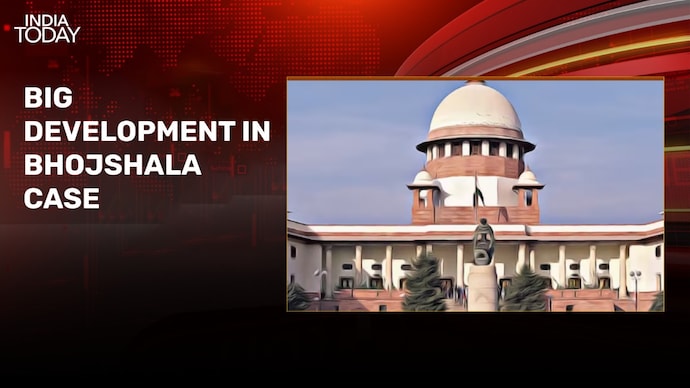
On Friday, the High Court declared Bhojshala a temple dedicated to Goddess Saraswati, quashed the ASI’s 2003 order permitting namaz, and said the Centre and ASI could decide the future administration and management of the complex.