Vietnamese crab exporter

Topic

Advertisement
TOPIC

Cloud Seeding

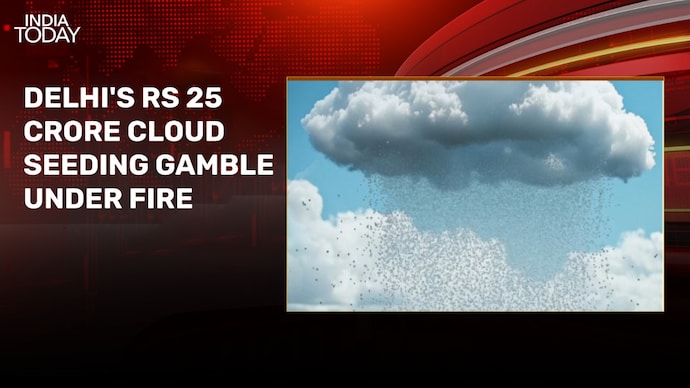
Cloud seeding is a weather modification technique used to either create or increase precipitation by dumping certain types of materials into the sky. T

he purpose of a material used is to facilitate the coalescence of cloud droplets into larger droplets, which will fall as precipitation, such as rain. Some commonly used agents for cloud seeding are silver iodide, potassium iodide, or sodium chloride; all of which can serve as nuclei to allow moisture to condense.

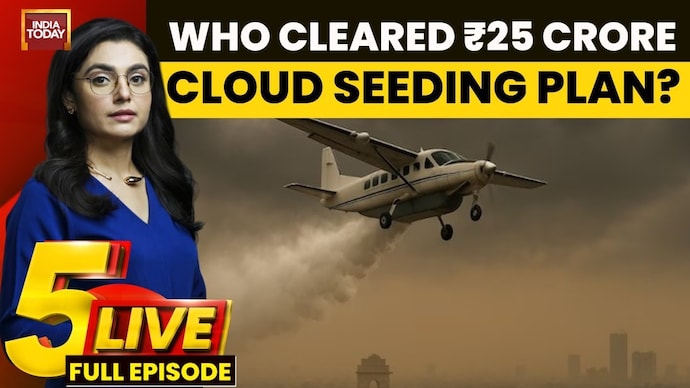
Cloud seeding can be accomplished with respect to clouds having sufficient moisture using aircraft, rockets or ground-based devices that disperse the particles into the atmosphere.

Cloud seeding is particularly beneficial for places experiencing drought, water supply limitations, or unreliable precipitation patterns. It provides a way to improve water availability for uses such as agriculture, drinking, and electric power generation from hydropower.

Cloud seeding has been used to alleviate damaging impacts from hailstorms and to disperse fog at airports to improve visibility and safety. Cloud seeding has been undertaken by countries and India as a potential solution to water management concerns and agricultural productivity.

With its potential benefits come controversy in some sectors. Critics assert that altering natural weather patterns can result in destructive environmental conditions and the distribution of rain and snow. Others criticize the chemicals used to seed clouds and their effects over time as research continues.

  • ALL
  • STORIES
  • VIDEOS

STORIES

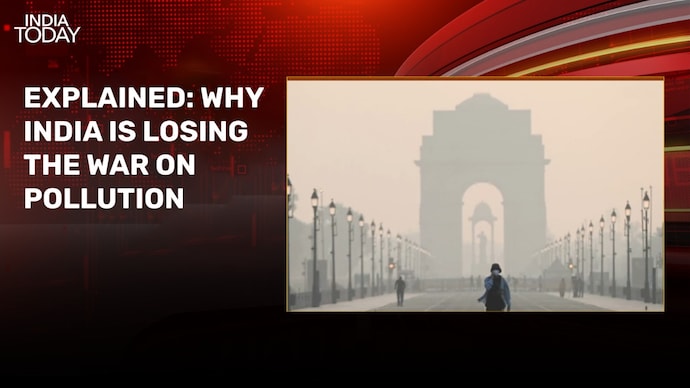
Air crisis: Not just emissions, Delhi's geography is its biggest enemy

While multiple factors contribute to worsening the city's air quality, including excessive vehicular emissions, the burning of garbage incinerators, and smoke from stubble burning in neighbouring states, a significant factor behind the consistency of the pollution is the capital's natural geography.

Is this Delhi's Lagaan moment? Does cloud-seeding always bring rain?

Like the villagers of Champaner in Lagaan, Delhiites on Tuesday looked towards the sky with hope. But the clouds drifted away, and all that was left was toxic air. Was the cloud-seeding experiment, which cost crores, the Lagaan moment of the Delhi government? This is what cloud seeding does and its success rate.

Load More

VIDEOS

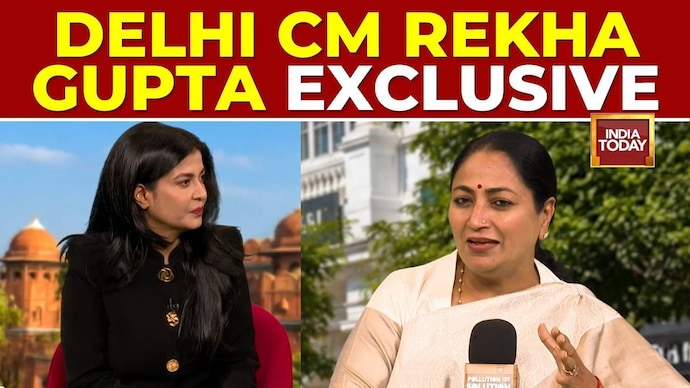
Delhi CM Rekha Gupta Unveils EV Policy, Dust Monitoring & Stubble Plan To Curb Pollution

Delhi Environment Minister Mahendra Singh Sirsa and Delhi Chief Minister Rekha Gupta outlined government initiatives to combat air pollution at the India Today Group's 'Pollution Ka Solution' event. Minister Sirsa detailed waste management efforts, reporting that Delhi processes up to 15,000 metric tons of daily waste and 35,000 metric tons of legacy waste, with over 70 acres of landfill reclaimed. Inspections of 12,000 industrial units led to the sealing of 2,200 non-compliant factories. Annual average PM2.5 levels decreased by 7.7 percent, while PM10 levels dropped by 7.1 percent. Chief Minister Gupta highlighted a 15,000 crore rupee EV policy targeting charging infrastructure, battery recycling, and a transition to 100 percent electric government vehicles. Construction dust monitoring relies on AI-enabled digital cameras for properties exceeding 500 square metres. Additional measures include a 70 lakh tree plantation drive, forest notification for the ridge area, and regional cooperation on stubble burning. Medical and innovation experts also addressed pediatric health risks and Gen Z solutions.

Delhi CM Rekha Gupta Plans 100% EV Push, AI Construction Monitoring And Work From Home Mandate

At an India Today Group event for the Pollution Ka Solution campaign, Delhi Chief Minister Rekha Gupta discussed her government's comprehensive strategy to combat air pollution in the national capital. Highlighting a scientific roadmap adopted over her tenure, she outlined key initiatives including a 15,000 crore rupee EV policy focused on incentives, scrapping, and infrastructure development. She clarified that future government vehicle purchases will be 100 percent electric. To address construction dust, the government introduced AI-driven monitoring cameras linked to a command center via a dust portal for properties over 500 square meters. The plan also incorporates mandatory 50 percent work-from-home measures, a winter action plan from November to January, and a mass plantation drive targeting 70 lakh saplings. Regarding stubble burning, Chief Minister Gupta emphasized regional coordination with neighboring states including Haryana, Uttar Pradesh, Rajasthan, and Punjab to implement a common minimum agenda and tackle open burning across Delhi NCR.

Delhi Waste Reclaim, AQI Drop & Industrial Sealing: Environment Minister Details Pollution Plan

Delhi's Environment Minister addressed the city's complex pollution challenges at an event hosted with India Today Group. Highlighting major sources including vehicular emissions, construction dust, and massive landfill sites, the Minister detailed waste management efforts, noting that over 70 acres of land have been reclaimed from landfill mountains. The Minister presented data indicating a 7.7 percent drop in annual average PM 2.5 levels, a 7.1 percent reduction in annual PM 10 levels, and a 3.87 percent decrease in average AQI. Addressing public questions, he explained that funds allocated for cloud seeding were provided to IIT Kanpur for research. Furthermore, authorities inspected 12,000 unauthorized industrial units in outer Delhi, sealing over 2,200 non-compliant factories. Emphasizing that long-term air quality improvement takes time, he highlighted inter-state coordination under the Union Environment Ministry and invited young innovators to submit solutions to help clean Delhi's air.

Activist Amit Kumar's RTI Reveals 1300 Fires In 2 Years Worsen Noida's Air Crisis

This special report highlights the severe air pollution crisis in Delhi-NCR, contrasting the inaction in Parliament's Winter Session with the hazardous ground reality in Noida. While key issues like air quality find no time for debate among lawmakers, India Today's ground report exposes rampant environmental violations in Noida, including unchecked construction dust and waste burning. The report features activist Amit Kumar, who, through an RTI, revealed a critical factor worsening the air quality. According to the findings he shared, there have been 'over 1300 fire incidents in the last two years' in the Gautam Buddhnagar district alone. Doctors have noted a sharp spike in respiratory illnesses, especially among children and the elderly. The segment questions the lack of a concrete strategy to tackle pollution hotspots, as government measures like a stalled cloud seeding plan and providing heaters fail to address the core issues.

Special Report: Air Pollution Crisis Now A National Emergency Beyond Delhi NCR

India's air pollution has escalated into a year-round national emergency, extending far beyond a winter-specific issue in the Delhi NCR. A recent analysis reveals that 60% of India's districts now breach national air quality standards, with cities like Mumbai and Varanasi experiencing severe smog. This public health crisis is a major mortality risk, comparable to high blood pressure, and is linked to a rise in asthma, COPD, and other respiratory illnesses. Despite existing laws, a lack of political will and execution has hindered effective action. Experts and political figures are calling for government accountability and a coordinated five-year national action plan to move from short-term measures to sustainable solutions. The debate highlights the need to make clean air a political priority, address challenges like the transition to electric vehicles, and recognize the disproportionate impact of toxic air on the nation's most vulnerable populations, securing the fundamental right to breathe clean air.

India’s Air Emergency: Experts Blame Lack Of Political Will As Life Expectancy Drops In Delhi

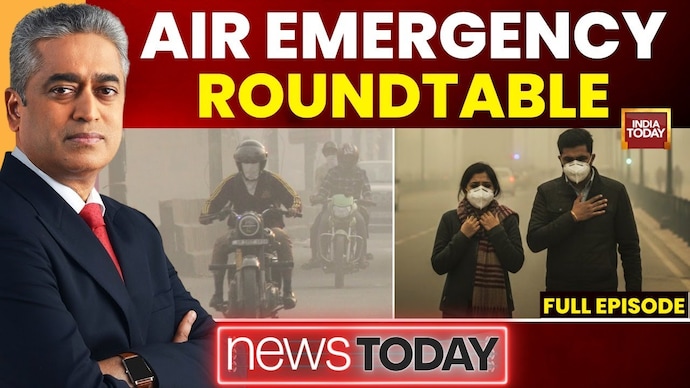
This special report dissects the severe air quality crisis gripping the nation, with a focus on Delhi NCR, where life expectancy has reportedly been reduced by nearly 12 years. Medical experts reveal alarming data, indicating that 40% of children in the region suffer from impaired lung functions, likening the act of breathing to smoking multiple cigarettes daily. The discussion highlights a failure of governance and a disconnect between policy and execution, with panelists arguing that short-term measures like cloud seeding are ineffective. Instead, they call for a comprehensive five-year action plan with sector-specific targets, a massive overhaul of public transport, and a shift to source-based governance. The program explores the challenges of transitioning to electric mobility and the urgent need for regulatory mandates to establish clean air as a fundamental right for all citizens.

Air Pollution Cuts Life Expectancy in Delhi NCR by 11.9 Years: Special Report

In this special report, experts discuss the severe health and policy implications of India's air pollution crisis. A senior pulmonologist reveals a shocking statistic: 'In Delhi NCR alone, the life expectancy has been reduced by 11.9 years.' The panel debates the effectiveness of electric vehicles versus public transport. While one expert emphasizes the need for a 'strong regulatory mandate' for electrification, another argues that the government focuses on symptoms like cloud seeding rather than sources. The discussion highlights the urgent need for a coordinated five-year action plan.

So Sorry: Na Barish Na Fuhaar, CM Chalin BIhar

In the latest episode of So Sorry, we see a hilarious side of the Rekha Gupta-led Delhi government's attempts to make cloud-seeding in the city a successful operation to curb air pollution. However, they did not yield the desired results.

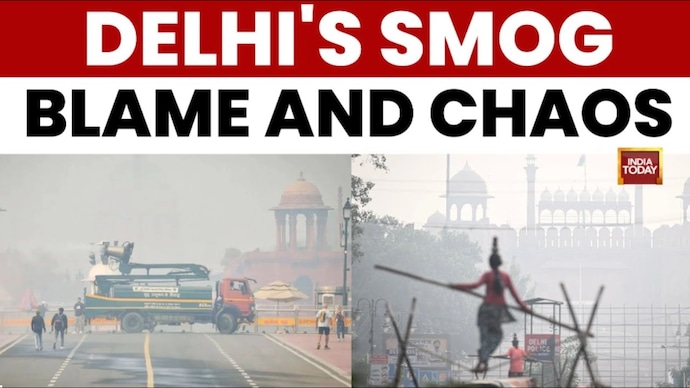
Delhi Gasps for Air: AQI in 'Hazardous' Zone, Politics Over Pollution Escalates

This special report focuses on the severe air pollution crisis gripping New Delhi, where the Air Quality Index (AQI) has entered the 'Hazardous' category. The discussion covers the political blame game between parties, the status of the Graded Response Action Plan (GRAP), and public protests. The reporter on the ground states, 'this has become one of a kind of a national emergency, which I think politicians and policy makers should be talking about and working on it.' Despite AQI levels remaining in the 'Very Poor' to 'Severe' range, the Commission for Air Quality Management (CAQM) has decided not to implement stricter GRAP-3 restrictions for now, citing a marginal improving trend. Meanwhile, cloud seeding trials conducted by the Delhi government and IIT Kanpur to induce artificial rain have failed to produce showers due to low humidity, though they provided some data on minor pollution reduction. Public frustration is growing, leading to protests at India Gate where citizens demanded accountability and effective solutions from the government.

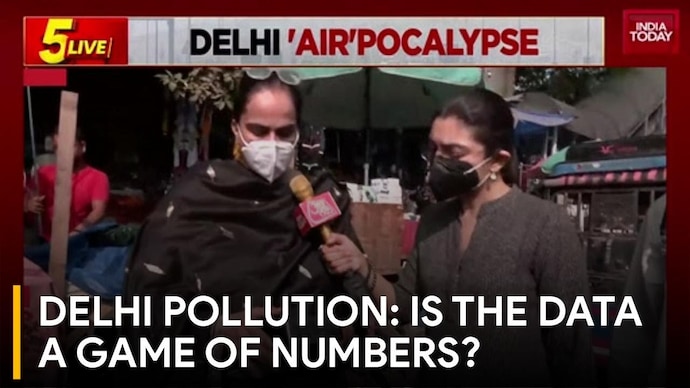
Delhi's Dirty Air Secret: Are Pollution Numbers Being Manipulated?

A special report investigates allegations of pollution data manipulation in Delhi, with anchor Sonal Mehrotra Kapoor on the ground to verify the numbers. Environmentalist Bhavreen Kandhari states, 'It's a game of numbers to just reduce'. The investigation reveals discrepancies between private and official air quality monitors, defunct display boards in VIP areas, and the effect of water sprinklers on sensor readings. The report also features expert Abhijit Yadav, who explains how Delhi's unique geography, including the Himalayas and temperature inversion, creates a trap for pollutants. This geographical sandwich effect, combined with high emission density, exacerbates the air quality crisis, making it a complex challenge that requires more than just temporary fixes like cloud seeding. The Supreme Court has also raised questions about the monitoring of pollution in the capital.

Delhi's Dirty Air Secret: Are Pollution Numbers Being Manipulated?

A special report investigates allegations of pollution data manipulation in Delhi, with anchor Sonal Mehrotra Kapoor on the ground to verify the numbers. Environmentalist Bhavreen Kandhari states, 'It's a game of numbers to just reduce'. The investigation reveals discrepancies between private and official air quality monitors, defunct display boards in VIP areas, and the effect of water sprinklers on sensor readings. The report also features expert Abhijit Yadav, who explains how Delhi's unique geography, including the Himalayas and temperature inversion, creates a trap for pollutants. This geographical sandwich effect, combined with high emission density, exacerbates the air quality crisis, making it a complex challenge that requires more than just temporary fixes like cloud seeding. The Supreme Court has also raised questions about the monitoring of pollution in the capital.

Tech Today: Tech behind cloud seeding, Oppo Find X9 Pro review with Cyrus John

This week on Tech Today, we go global – from Delhi’s polluted skies to Barcelona’s blue ones – to explore how technology is reshaping our world. THE BIG TECH STORY: Delhi’s government is betting on cloud seeding to clear toxic smog. But can rain-making tech really solve the city’s air crisis? We break down the science and reality behind the experiment. TECH & YOU: Live from Barcelona, we talk about the must-have travel tech gadgets - from eSIMs and universal adapters to live translation earbuds, Meta Ray-Ban glasses and wireless power banks. Smart, compact, and actually useful. UNBOXING: Meet the all-new OPPO Find X9 Pro, a powerhouse with a 200MP periscope camera, Dimensity 9500 chip, and a 7,500mAh battery. We test its design, performance, and camera magic with Hasselblad tuning.

Delhi Air Pollution: Politics, Health Crisis & Cloud Seeding Debate Intensify

This special report focuses on Delhi's severe air pollution crisis and the escalating political blame game between the BJP, Congress, and other opposition parties. The discussion features insights from Rahul Gandhi, who has criticised the government's response, and Dr. G.C. Khilnani, Chairperson of the PSRI Institute of Pulmonary, Critical Care and Sleep Medicine, who provides a grim outlook on the health impacts. Dr. Khilnani states, 'my hospital admissions and ICU admissions have increased by at least two-fold during last ten days.' The programme delves into the 'very poor' to 'severe' air quality, with Dr. Khilnani advising residents on necessary precautions, such as using KN-99 masks and avoiding outdoor activities. It also covers the Delhi government's experimental efforts with cloud seeding to induce artificial rain as a potential, though debated, solution to the toxic smog blanketing the national capital.

Delhi Pollution Row: Rekha Gupta, Rahul Gandhi, and Sirsa Trade Political Blame

This special report focuses on the escalating political battle over Delhi's severe air pollution, featuring Delhi Chief Minister Rekha Gupta, Leader of the Opposition Rahul Gandhi, and Environment Minister Manjinder Singh Sirsa. Rekha Gupta stated, 'Aam Aadmi Party did nothing for years and now they are blaming the BJP'. While defending a failed cloud seeding attempt as a necessary effort, Gupta's government faces sharp criticism from Rahul Gandhi, who accuses the BJP of making excuses despite having power in both the state and at the Centre. In response, Environment Minister Manjinder Singh Sirsa deflects blame onto previous AAP and Congress governments, claiming the city is witnessing its cleanest November air in a decade under the BJP's 8-month-old administration.

Delhi's ₹25Cr Gamble: Govt Ignored Expert Warnings on Failed Cloud Seeding Plan

This special report examines the controversy surrounding the Delhi government's estimated ₹25 crore cloud seeding project, spearheaded by figures like Environment Minister Manjinder Singh Sirsa, intended to combat pollution. In a December 2024 written reply to the Rajya Sabha, the Union Environment Ministry, quoting experts, had noted that effective cloud seeding requires specific conditions 'generally absent during Delhi's cold and dry winter months' and flagged concerns about 'uncertainties, efficacy, and potential adverse effects of the chemicals'. The programme delves into why the project proceeded despite advice against it from three central agencies—CAQM, CPCB, and IMD—and explores the political fallout, including the Aam Aadmi Party's criticism of a plan they themselves had proposed under Arvind Kejriwal in 2023. We analyse the science, the politics, and the aftermath of this expensive experiment.

Top Scientist Slams Delhi's Cloud Seeding As A 'Ridiculous' Farce | Delhi Air Pollution News Updates

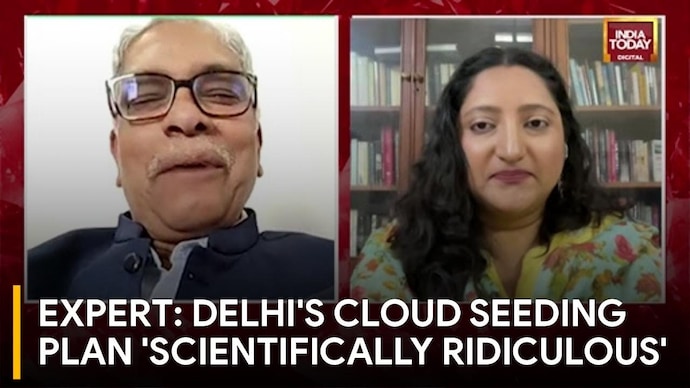
This special report examines Delhi's controversial push for cloud seeding to combat air pollution, featuring an in-depth interview with M. Rajeevan, former Secretary of the Ministry of Earth Sciences. Mr. Rajeevan states that while he avoids certain words for officials, 'scientifically if I am scientist, I will tell at his face. It is a ridiculous way of doing'. The programme explores the scientific reasons why this technique is not viable for mitigating Delhi's pollution, especially in the dry winter season when suitable clouds are absent. The discussion covers the flawed recent trials, the high costs involved, and contrasts this temporary measure with the critical need to address pollution at its source. Mr. Rajeevan reveals he rejected a similar proposal in 2018, emphasizing that science, unlike politics, does not change and that there are no shortcuts to achieving clean air.