Vietnamese crab exporter

Topic

Advertisement
TOPIC

Delhi Pollution

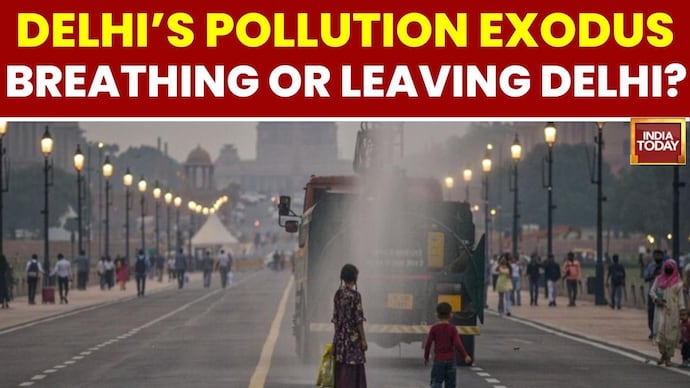
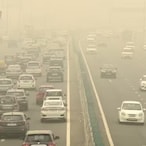
The air quality in Delhi has deteriorated hugely as winter sets in, with smog covering the city and people being exposed to serious health hazards. The Central Pollution Control Board (CPCB) said a number of areas in the city have seen particulate matter (PM2.5) levels exceeding 400 micrograms per cubic meter, much higher than the safe limit of 60 micrograms.

Experts explain that various reasons are behind the decline. Crop stubble burning in nearby states, vehicle emissions, construction dust, and industrial pollutants are combining with cold temperatures and slow wind speeds and getting trapped close to the ground. Authorities have also put temporary curbs on construction work and asked neighboring states to cut down on stubble burning. Odd-even vehicle restrictions and higher usage of public transport are being promoted to reduce vehicle emissions.

Delhi is bracing for a significant decline in air quality, with pollution levels expected to worsen through midweek, according to the Center's Air Quality Early Warning System (EWS). Schools and hospitals are reporting that there is an increase in the complaints of respiratory origin, particularly in children, the elderly, and chronic patients.

The government in Delhi has asked residents to undertake less outdoor activity, wear face masks, and use air purifiers within their homes. Temporary restrictions on construction activities and requests to neighboring states to limit stubble burning have also been imposed. Odd-even restrictions on vehicle usage and increased use of public transport are being encouraged to minimize vehicular emissions.

  • ALL
  • STORIES
  • VIDEOS

STORIES

The fires we stopped counting

This is the third in a three-part story. The institute that counts India's stubble fires added a line to its bulletins this year: satellites do not record fires lit when nothing is overhead. September 15 was the first time it appeared in a paddy season, the season that produced the 93 per cent fall everyone quotes.

Delhi-NCR schools to reschedule Nov-Dec physical sports activities over air quality

CAQM has asked the Delhi-NCR authorities to avoid sports competitions in November and December 2026 as air quality falls. The move follows Supreme Court concerns over children’s health during outdoor events. Competitions scheduled may be postponed, with authorities told to ensure students are not disadvantaged across the NCR.

The fire count collapsed. The smog did not

This is the second of a three-part story. Punjab's crop-fire detections fell 93 per cent in five seasons. Delhi's worst days eased; its everyday autumn air did not. And the counted burning moved to the states next door.

When India burns: Spring versus autumn

This is the first of a three-part story. Everyone talks about the autumn stubble burning that’s allegedly responsible for Delhi’s bad air. But the spring burning that nobody mentions is usually twice as big.

Load More

VIDEOS

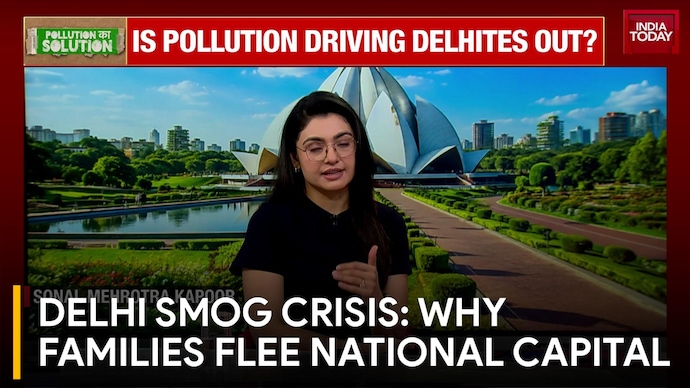
Delhi Air Quality Crisis: Pollution Refugees Relocate, Swap Careers to Escape Smog

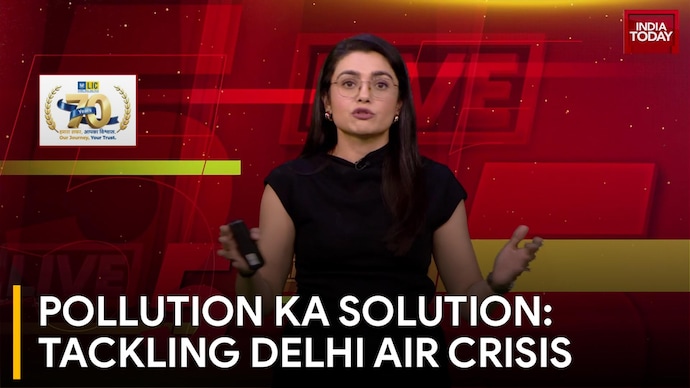
A special broadcast of Pollution Ka Solution examines the escalating air pollution crisis across major urban centres, focusing on Delhi NCR and Mumbai, where hazardous Air Quality Index levels and winter toxic smog are creating an influx of pollution refugees. Residents and professionals, including Bharat Singh Kanwal, former advocate Prashant Kalra, and fashion designer Anuradha Prasad Dhawan, detail abandoning their careers and homes to relocate to destinations like Bengaluru and Goa after severe pediatric respiratory emergencies, persistent asthma, and health complications forced their departure. The discussion highlights broader urban systemic issues such as deficient waste management, unchecked deforestation, and rising cancer and respiratory burdens among children and senior citizens, with lifestyle expert Luke Coutinho noting that dietary adjustments cannot reverse cellular lung damage caused by toxic exposure. Panellists address policy implementation challenges surrounding the National Clean Air Programme and Graded Response Action Plan, calling for year-round interstate governance, strict environmental compliance accountability, and civic participation to counter urban air quality deterioration.

Delhi Air Quality Crisis: Pollution Refugees Relocate As Severe AQI Triggers Health Woes

A special broadcast of Pollution Ka Solution focuses on India's escalating air pollution crisis, examining the emerging phenomenon of pollution refugees leaving major urban centres such as Delhi NCR and Mumbai due to severe winter air quality and hazardous air quality index levels. Former residents share firsthand accounts of relocating to cities like Bengaluru and Goa to protect their families from toxic smog, chronic breathlessness, pediatric respiratory issues, and severe sinusitis. The panel discusses persistent governance and environmental challenges, including inter-agency coordination gaps, administrative lapses, tree felling, and ineffective waste management, particularly landfill emissions and the absence of waste segregation at source. In the health discussion, lifestyle coach Luke Coutinho details the physiological toll of prolonged exposure to toxic air, warning about irreversible cellular damage, compromised lung capacity in newborns and senior citizens, and heightened risks of severe conditions like COPD. The programme emphasizes the urgency of transparent environmental audits, strict regulatory enforcement, and sustained public policy interventions to tackle hazardous air pollution and safeguard public health.

Greater Noida Bus Fire: Multi-State Lapses, Safety Violations And Unpaid Fines Exposed

A probe into the fatal Greater Noida bus fire that claimed nine lives has uncovered widespread regulatory lapses across multiple states. Registered with the Transport Department in Madhubani, Bihar, the bus was owned by a resident of Chhatarpur, Madhya Pradesh, and operated along the route between Kashmiri Gate in Delhi and Mahoba. Additionally, the vehicle obtained its fitness certificate from Rajasthan and its pollution clearance from Haryana. The vehicle was operating despite lacking mandatory safety provisions, including proper emergency exits, space for passengers, and compliance with partition regulations. Investigations further revealed flammable luggage transported in the boot and more than sixteen unpaid traffic fines totalling over 1.5 lakh rupees accumulated over eighteen months. Neither transport authorities nor traffic police intervened to seize the vehicle despite repeated violations. The tragedy raises critical concerns over systemic negligence, cross-state corruption, and the lack of oversight by enforcement agencies.

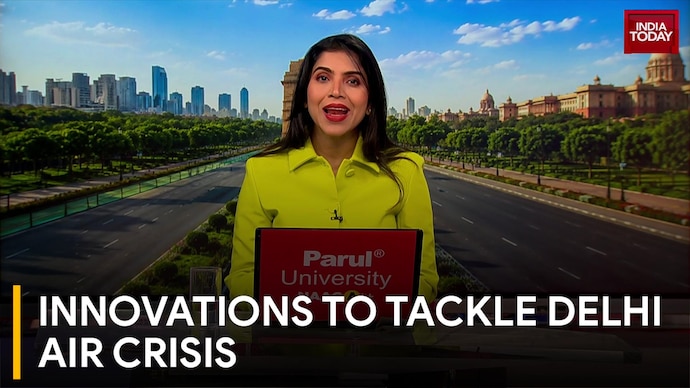
Delhi Air Crisis, German Filter Cubes and Tech Innovations to Tackle Smog

A special episode of 'Pollution Ka Solution' explores innovations designed to combat severe air pollution in Delhi's hotspots. The report highlights the German-engineered Filter Cube technology developed by Mann+Hummel and introduced in India through MRH Technologies Private Limited. According to MRH Technologies Director Rajan Handa, the solution uses forced air circulation and specialized multi-layered filtration to capture road dust, particulate matter, and hazardous gases like NO2 and SO2. Validated in testing at IIT Delhi, the system achieved a 60 to 70 percent reduction in localized pollution levels. Priyanka Manocha of MRH Technologies explains that each intelligent unit delivers approximately 17,500 cubic metres of clean air per hour, equivalent to the volume of a cricket stadium. The automated devices feature rain sensors, customizable night modes, and centralized dashboards to monitor air quality performance across multiple urban zones.

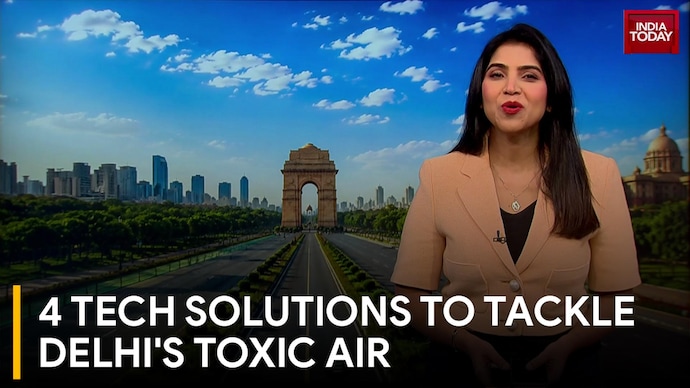
Delhi Air Crisis: Filter Cubes, Vehicle Purifiers & Wind Panels Tested

A special report examines four technological innovations aimed at tackling severe air pollution in Delhi's hotspots. The first solution features Mann+Hummel's Filter Cube technology, brought to India by MRH Technologies, which claims a 60 to 70 percent reduction in particulate matter and harmful gases. The second innovation is Human Technologies' Ambient Purification System, an outdoor filterless wind-tunnel design built to settle heavier particulate matter without frequent maintenance. The third system, developed by Shudh Vayu Technology, is a vehicle-mounted retrofit air purifier that harnesses kinetic energy while driving to capture particulate matter without using electricity. Lastly, Aeroboz, in partnership with IIT Kanpur, presents a bus rooftop 'wind panel' combining electrostatic filtration with solar and wind energy generation. Together, these technologies offer scalable outdoor interventions to mitigate toxic air exposure across urban transport, schools, and crowded public zones.

Delhi Pollution Solutions: German Filter Cubes, Outdoor Purifiers & Innovations Tested

A special broadcast of 'Pollution ka Solution' explores innovative technologies to combat air quality crises across Delhi's pollution hotspots. The episode highlights tested solutions, including German filtration giant Mann+Hummel's Filter Cube, brought to India via MRH Technologies. Tested previously in Stuttgart, Germany, and validated by IIT Delhi during peak pollution months, the forced air circulation device filters road dust, smoke, NO2, and SO2, achieving a 60 to 70 percent reduction in localized pollution. The system delivers approximately 17,500 cubic metres of clean air per hour to establish clean air zones, featuring automated rain sensors, night mode energy conservation, and centralised dashboard monitoring. Representatives emphasized the necessity of public-private participation and deployable, real-world solutions over theoretical experiments to safeguard citizen health, protect children from severe toxic exposure, and address development-induced particulate emissions across high-risk urban areas.

FSSAI action on Nestle infant formula over marketing norms. Expert has a say

This news broadcast covers key national and corporate developments, starting with the Food Safety and Standards Authority of India (FSSAI) initiating legal adjudication against Nestle India over promotional claims for infant formulas such as NAN EXELA Pro Stage 1 and Lactogen Pro 1 under the Infant Milk Substitutes (IMS) Act.

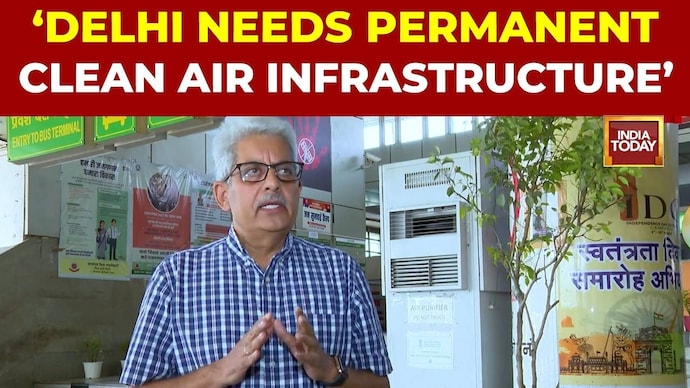
Delhi Needs Permanent Infrastructure To Cut Air Pollution: Rajiv Janan

Rajiv Janan, Founder and Managing Director of Human Dust Technologies, outlined the need for permanent infrastructure to tackle Delhi's air pollution and reduce public exposure. Highlighting the scale of fuel consumption across the capital, he explained the working of the Ambient Purification System, a filterless outdoor air purification technology. The system operates on physics principles to separate heavier particulate matter such as PM 2.5 and PM 10 from the air stream using wind tunnel design and velocity reduction, allowing particles to agglomerate and settle naturally without maintenance issues or filter choking.

Delhi Air Pollution Crisis: MRH Technologies Unveils German Tech Filter Cube for Clean Air Zones

MRH Technologies Private Limited, in partnership with German multinational Mann+Hummel, has introduced the Filter Cube air filtration technology in India to tackle severe air pollution. According to company representatives, infrastructure development contributes significantly to air pollution, requiring active public-private participation rather than relying solely on government action. The Filter Cube operates via forced air circulation, capturing road dust, smoke, and harmful gases such as nitrogen dioxide and sulphur dioxide. Validated during a trial by IIT Delhi between September and November 2024, the equipment demonstrated a 60 to 70 percent reduction in pollution levels. Designed in Germany and manufactured and assembled in India, each unit delivers approximately 17,500 cubic metres of clean air per hour. The automated system features weather sensors that turn off the device during rain, an energy-saving night mode, and a centralised dashboard providing real-time performance data across city zones.

Pollution Ka Solution, Delhi Air Quality Crisis, EV Transition Strategy

India Today and the Delhi government launched the 'Pollution Ka Solution' initiative, receiving nearly 1,500 entries containing public ideas to tackle air pollution. An expert jury is currently reviewing these submissions to present viable solutions to the government. Experts highlighted that combating air pollution requires a year-round, long-term strategy rather than seasonal focus. In Delhi, the transport sector contributes over 40 per cent to PM 2.5 emissions. A tailored electric vehicle transition targeting heavy commercial vehicles and addressing two-wheeler congestion and dust emissions is vital rather than solely copying European models. Scientific mitigation and shared accountability are critical to tackling public health and climate impacts.

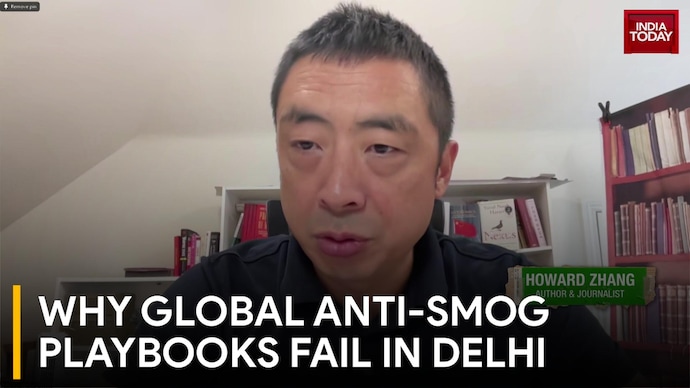
Delhi Air Crisis: Lessons from London, LA, Paris & Beijing | Pollution Ka Solution

A special report analyses Delhi's persistent air quality crisis by comparing it with international clean air transformations in London, Los Angeles, Paris, and Beijing. While London tackled coal emissions through landmark legislation, Los Angeles tightened vehicular and industrial norms, Paris reshaped urban mobility, and Beijing enforced strict industrial mandates, Delhi faces a distinct, multi-source challenge. Factors including vehicular emissions, regional stubble burning, year-round construction dust, and geographic trapping complicate the capital's crisis. Unlike temporary interventions such as the odd-even scheme or seasonal Graded Response Action Plan measures, experts emphasise the need for permanent, year-round infrastructure and solutions designed specifically for Delhi's unique environmental and socioeconomic landscape.

SC pushes for food warning labels, industry lobby seeks fresh review before final call

This special 5ive Live news bulletin covers major national, political, technological, and environmental developments. The broadcast reports on the Supreme Court reviewing mandatory front-of-package warning labels proposed by the Food Safety and Standards Authority of India (FSSAI) for packaged foods high in sugar, salt, and saturated fat amid industry concerns over regulatory thresholds.

Punjab Drug Storm, Satya Niketan PG Crisis, SC Heat on Food Warning Labels

This news bulletin reports on major political, civic, legal, technology, and environmental developments across India. In Punjab, a political controversy has unfolded following the death of Gulzar Singh after his confrontation with Finance Minister Harpal Cheema over the state's drug crisis, leading opposition parties to demand Cheema's resignation and the BJP to announce its Nasha Mukt Punjab Yatra. In Delhi's Satya Niketan, student residents face disruptions following a fatal building collapse as accommodation operators fled the area. Meanwhile, the Supreme Court is hearing petitions regarding mandatory front-of-package nutritional labelling for packaged foods high in sugar, salt, and saturated fat, with advocate Rajiv Shankar Dwivedi citing international regulatory standards. The broadcast also covers the launch, specifications, and public response to Apple's foldable iPhone Duo, an artificial intelligence recreation of a 1980s newsroom, and medical warnings under the Pollution Ka Solution campaign regarding Delhi air quality.

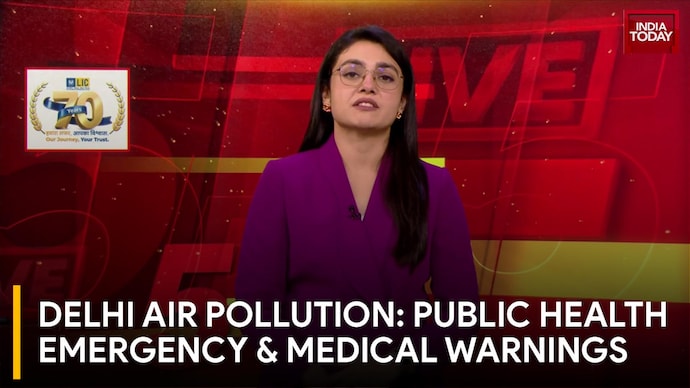
Delhi Air Pollution Crisis: Public Health Threat, Rising Illnesses & Fight For Clean Air

India Today and the Delhi government have launched the 'Pollution Ka Solution' campaign to invite citizen-led ideas against severe air pollution. With over 1,500 entries currently under review by an expert jury, medical experts warn that toxic particulate matter affects the entire population. Inhaling polluted air causes wide-ranging health complications beyond seasonal lung problems, including asthma, COPD, lung cancer, and cardiovascular and mental health issues. Experts classify the deteriorating air quality as a public health emergency requiring sustainable collective action rather than individual reliance on air purifiers.

'Delhi Pollution A Long-Term Challenge, Need Solutions': Sandeep Sharma On Clean Tech

Speaking about air pollution, Sandeep Sharma, Business Head at Zero Carbon Tech 24 Private Limited, highlighted that Delhi's air pollution is a "long term environmental challenge" rather than a seasonal problem. Addressing multiple pollution sources including vehicular emissions, road dust, construction, and industries, Sharma emphasised the need for scalable and sustainable Made in India technologies. He presented patented filterless, self-cleaning, IoT-enabled dust and smoke capturing devices, including the STR 101 streetlight model, the DVR 101 road divider model, and the Thor 101 industrial unit designed for heavy emitters like cement, pharma, steel, and aluminium plants. Sharma explained that these low-power devices can process millions of litres of air hourly without maintenance filters. He noted that deployments across Delhi, Odisha, and Meghalaya achieved an average 40 to 45 per cent reduction in PM2.5 and PM10 levels. Sharma also commended India Today's campaign for fostering collaboration between industries, policymakers, and citizens to drive measurable environmental solutions.

Delhi Air Crisis: Innovators Showcase Algae Purifiers, Atmos Pole & Pawan 3

India Today's Pollution Ka Solution campaign showcases groundbreaking grassroots innovations aimed at tackling Delhi's severe air pollution. Innovators have presented solutions targeting various sources of pollution, including non-exhaust particulate emissions, vehicle idling, and roadside hotspots. Highlights include a tyre particle collector proposed by student Anvi Singh, Mirza Arif's Pollred device designed to capture road and tyre dust on buses, and Axel One's Atmos Pole deployed at Rajghat as a solar-powered multi-functional air-cleaning street light. Additionally, Ecosystem Private Limited founders Prathiraj Kumar and Sumit Pawar introduced Pawan 3, a multi-layer HEPA filtration device designed for traffic signals and roadside hotspots. Young entrepreneurs Siddhant Kumar Nishad and Tejas from Matiyari Technology Private Limited also presented their indigenous microalgae-based air purification system, currently deployed at Anand Vihar ISBT, which absorbs carbon dioxide and generates oxygen through photosynthesis.

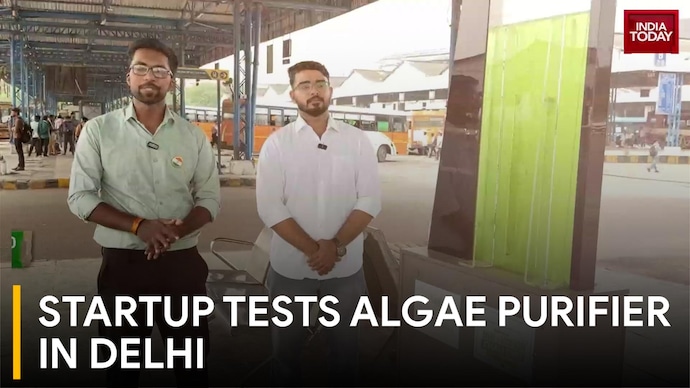
Matriyari Tech Tests Algae Air Purifier In Delhi, Aims To Cut PM 2.5 And Boost Oxygen

Siddhant Kumar Nishad from Lucknow and industrial microbiologist Tejas from Beed have introduced Matriyari Technology Private Limited, an initiative aiming to address air pollution through algae-based technology. Operating from Anand Vihar ISBT terminal in Delhi with a demo prototype, the startup targets reducing PM 2.5 carbon particles while generating oxygen. Siddhant explains that insufficient oxygen causes brain fatigue and affects concentration, highlighting that while standard purifiers only filter air, their system incorporates climate technology to absorb carbon dioxide and generate oxygen via photosynthesis. The reactor uses a specific algae mix in water with a pump system to separate particulates and react with incoming gases. The team, currently consisting of eight to nine core members, estimates manufacturing costs between fifty thousand and one lakh rupees, with projected selling prices from one point five to three lakh rupees depending on logistics. The founders acknowledged support from India Today and the Delhi Pollution Control Committee officials in backing their demo deployment.