Vietnamese crab exporter

Topic

Advertisement
TOPIC

Euthanasia

Euthanasia is the deliberate taking of a person's life who has a chronic or terminal illness, usually in order to alleviate excruciating agony. Euthanasia is a complicated topic that involves medical duty, ethics, and the law. 

In India, there are two primary types of euthanasia that are considered. A purposeful act to end life, like giving a fatal injection, is known as active euthanasia. In India, this is still prohibited.

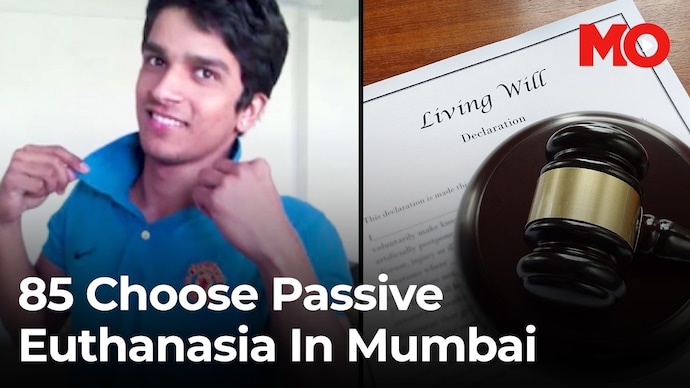
In contrast, passive euthanasia is stopping life support and letting the patient pass away spontaneously. Strict legal regulations allow passive euthanasia. 

A number of Supreme Court rulings have influenced India's legal stance on euthanasia. According to Article 21 of the Constitution, the court acknowledged terminally ill patients' right to a dignified death. It approved the idea of a "living will," which allows a person to express in advance that they do not want to receive life-prolonging therapy if they develop an irreparable medical condition, and it permitted passive euthanasia. 

Strict precautions are required. Every case must be reviewed by medical boards, and the patient's or family's approval is necessary. The procedure seeks to protect patient autonomy while preventing abuse. 

The topic of euthanasia is still up for debate. Critics worry about ethical abuse and pressure on fragile patients, while supporters view it as an act of kindness and dignity.

In general, only strictly controlled passive euthanasia is permitted by Indian legislation, which strikes a balance between medical ethics and human rights. 

  • ALL
  • STORIES
  • VIDEOS

STORIES

Maharashtra sets passive euthanasia boards for private hospitals

Maharashtra has issued rules for private hospitals to process passive euthanasia and living will cases through primary and secondary medical boards. The move extends judicial safeguards beyond government facilities and makes dual-board approval mandatory before life support is withdrawn.

Kidney transplant or euthanasia: 5 new mothers in Rajasthan refuse dialysis

The women allege their kidneys were damaged due to medical negligence and suspected spurious medicines during delivery, a charge the hospital denies. Hospital authorities say the women are stable, are receiving free treatment, and that it is too early under medical protocol to decide whether kidney transplants will be required.

Deeply emotional moment: Brahma Kumari sister on Harish Rana's farewell

In the March 11 video, Lovely is heard telling the 32-year-old, "Sabko maaf karte hue, sabse maafi mangte hue, tum jao (Forgive everyone, seek forgiveness from all, and go in peace)."  Harish is seen blinking and gulping in the video, the only movements he has been able to perform for the last 13 years after a fall left him with severe, and irreversible, brain damage.

Harish Rana case: Supreme Court has more humanity than India’s legislators

After spending 13 years in a persistent vegetative state, the Supreme Court has allowed 32-year-old Harish Rana to die with dignity. The Supreme Court's decision highlights the absence of clear euthanasia laws in India. The legislature has repeatedly failed to enact comprehensive legislation despite longstanding calls and precedents.

Load More

VIDEOS

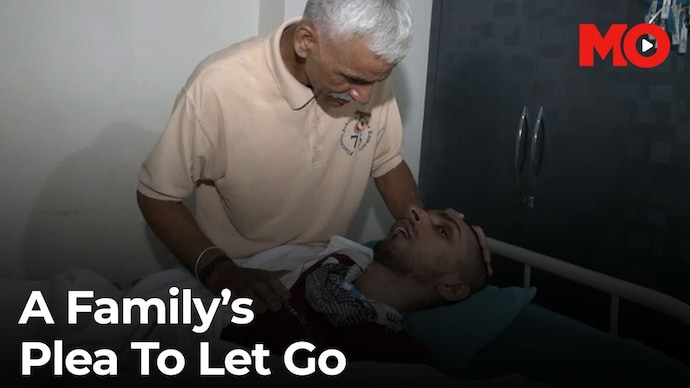
Harish Rana’s euthanasia plea

The Supreme Court is set to decide whether Harish Rana, who has been in a vegetative state for 13 years, should be allowed to undergo euthanasia.