Vietnamese crab exporter

Topic

Advertisement
TOPIC

GDP

Gross Domestic Product (GDP) is the total value of all final goods and services produced within a country’s domestic economy during a specified period. It is one of the key indicators used to measure the size and growth of an economy and assess changes from one period to another.
 

GDP is estimated using a defined methodology and set of data sources, which are updated periodically through a process known as rebasing. The base year is the reference year whose prices are used to calculate real economic growth. Updating the base year helps reflect structural changes in the economy, incorporate newer data sources and improve the accuracy of estimates.


GDP also provides a picture of the contribution of different sectors, including agriculture, manufacturing and services. These estimates help governments formulate economic policies and influence investment and lending decisions.



  • ALL
  • STORIES
  • VIDEOS

STORIES

GDP growth | So far, so good

India’s GDP growth beats forecasts in the first quarter of FY27, showing surprising resilience despite geopolitical headwinds. But some experts question the high numbers

GDP dust settles, but trust emerges as the real fault line

India’s 7.8% GDP growth has triggered a debate over data credibility, methodology and revisions. While Arvind Subramanian flagged a trust deficit and sought greater transparency, KV Subramanian defended the figures and dismissed the alternative 2.6% growth estimate as “absolutely bogus.”

GDP growth: So far, so good

India’s GDP growth in Q1 of FY27 showed surprising resilience despite geopolitical headwinds. But some experts have questioned the high numbers

Load More

VIDEOS

India Growth Outlook Raised by Global Agencies, Market Rallies, No Fuel Hike on Cards

On the Business Today Show, host Sakshi Batra tracks Dalal Street closing action alongside key corporate developments. Top global rating agencies, including S&P, Fitch, ADB, and Moody's, have raised India's FY27 economic growth projections to around 7%, triggering a rally across domestic equities. Sensex and Nifty closed firmly higher, led by gains in metals, real estate, FMCG, and PSU banking stocks. Market expert Abhishek Basumallick discusses how global rating revisions impact sentiment, the influence of elevated crude oil prices hovering near 100 dollars a barrel, and investment opportunities in the metals and consumption sectors. Additionally, the broadcast reveals that no retail petrol or diesel price hikes are planned by the Indian government despite rising crude volatility. The report also highlights corporate updates, including Airtel Money's planned London Stock Exchange listing, Microsoft job cuts across Xbox teams, and significant single-day moves in shares of Whirlpool India and Optiemus Infracom ahead of the upcoming National Stock Exchange listing.

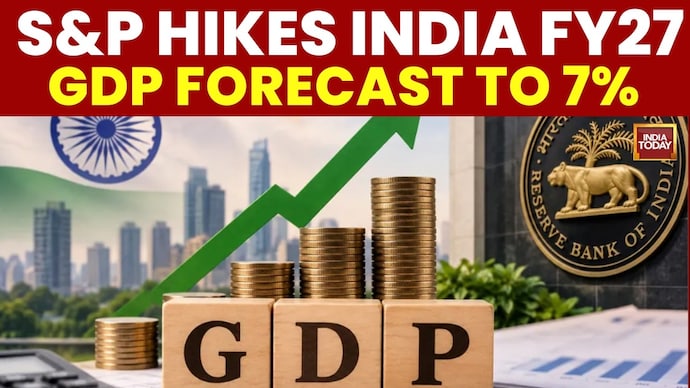
S&P Hikes India's FY27 GDP Forecast To 7%, Predicts RBI Rate Hike Amid Strong Growth

S&P Global Ratings has raised India's GDP growth forecast for financial year 2026-27 by 40 basis points to 7.0 per cent, revising its previous projection of 6.6 per cent upward. The rating agency cited robust industrial activity, healthy domestic consumption, strong goods exports, and accelerating government investment during the first quarter as primary drivers for the revision. Economists at S&P Global also project the Reserve Bank of India's rate-setting panel to hike the repo rate by 25 basis points to 5.50 per cent. The revised projection exceeds the Reserve Bank of India's estimate of 6.7 per cent and matches forecasts from agencies like Moody's. Analysts noted that India continues to maintain economic resilience despite external headwinds, including geopolitical conflicts in West Asia, the Russia-Ukraine war, global trade tariffs, and elevated crude oil prices.

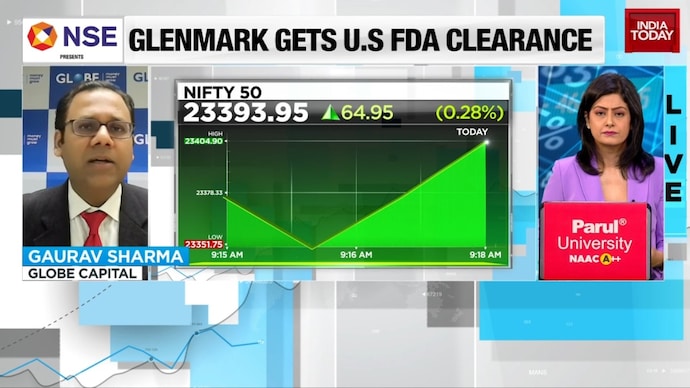
Markets Open Flat, S&P Ups GDP Target & SC Flags Medicine Pricing

Indian equity markets opened on a steady note above 23,400 levels, supported by gains in financial and banking stocks alongside broad-based sector participation. S&P raised India's FY27 GDP growth forecast by 40 basis points to 7 per cent, citing robust industrial activity, strong exports, and government spending, while projecting a repo rate hike by the Reserve Bank of India. Meanwhile, the Supreme Court raised serious concerns over the significant gap between the price to retailer (PTR) and the maximum retail price (MRP) of essential and life-saving medicines, questioning why more drugs are not covered under the drug price control order. Pharma companies, represented in court, cited research and development alongside marketing expenses for the variance in pricing. Additionally, global geopolitical developments remained in focus as Donald Trump highlighted sweeping tariff authorities and expressed support for the India-Middle East-Europe Economic Corridor.

Left Introspects After Poll Loss, Will Make a Big Comeback: MB Rajesh

Speaking at the India Today Roundtable, CPI(M) State Secretariat member and former Kerala minister MB Rajesh addressed the Left Democratic Front's recent electoral setback and detailed the party's introspection process. Rajesh stated that the Left conducted thorough reviews from the grassroots to the top level, identifying both objective and subjective factors behind the election results. Defending the Left's legacy, he highlighted major achievements in infrastructure development through KIIFB, high per-capita GDP growth, and strong education indicators. He dismissed allegations against former Chief Minister Pinarayi Vijayan by central agencies, claiming the Enforcement Directorate is being used as a political weapon. Rajesh further alleged that the Congress-led UDF government acts as the 'B team of BJP' on key policy decisions. Asserting that the Left's core mass base remains intact, he maintained that the party will continue grassroot struggles and make a strong political comeback across Kerala and West Bengal.

FSSAI action on Nestle infant formula over marketing norms. Expert has a say

This news broadcast covers key national and corporate developments, starting with the Food Safety and Standards Authority of India (FSSAI) initiating legal adjudication against Nestle India over promotional claims for infant formulas such as NAN EXELA Pro Stage 1 and Lactogen Pro 1 under the Infant Milk Substitutes (IMS) Act.

Moody's Raises India's GDP Forecast to 7% Citing Resilience Amid Middle East Conflict

Credit rating agency Moody's has upgraded India's real GDP growth forecast to 7% from 6% for the current fiscal year, highlighting the country's economic resilience amid ongoing Middle East tensions. The agency noted that India continues to outpace G20 economies and emerging market peers, despite lingering global risks. The forecast upgrade follows strong macroeconomic indicators, government spending on capital expenditure, and performance across key sunrise industries. Sectors driving momentum include artificial intelligence, semiconductors, smartphone and electronics manufacturing, and services. While domestic challenges such as consumer price inflation and geopolitical oil shocks remain concerns, India's broader macroeconomic management and export diversification have helped maintain economic stability. Additionally, reference was made to remarks by Prime Minister Narendra Modi regarding India's sustained growth momentum and sovereign credit rating upgrades by international agencies.

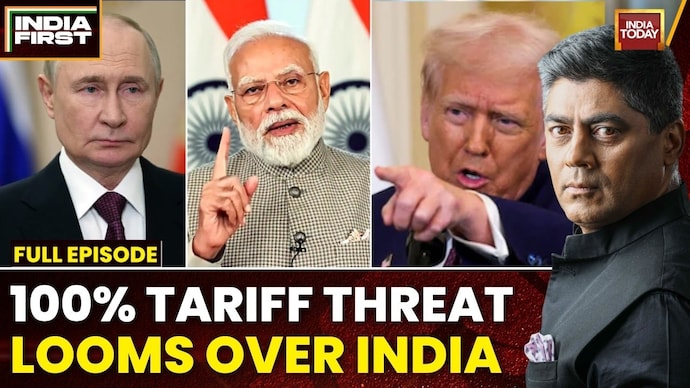
US House Passes Russia-Iran Sanctions Bill; 100% Tariff Threat on India Crude; New Delhi Reacts

The United States House of Representatives has passed the Lindsey Graham Sanctioning Russia and Iran Act of 2026, sending legislation to President Donald Trump that enables tariffs of up to 100 percent on major buyers of Russian crude oil and natural gas, including India and China. In response, the Ministry of External Affairs affirmed India's commitment to securing energy supplies through diversified sources while communicating bilateral and market implications to US interlocutors. Amid geopolitical developments and Russian crude accounting for 51.1 percent of Indian oil imports in July 2026, Chief Economic Advisor Dr V Ananth Nageswaran and Union Minister Kiren Rijiju examined India's economic trajectory and governance roadmap toward Viksit Bharat by 2047. Discussion points included banking sector balance sheet reforms, capital expenditure expansion, the Production Linked Incentive scheme, trade agreements, and administrative strategies under Prime Minister Narendra Modi.

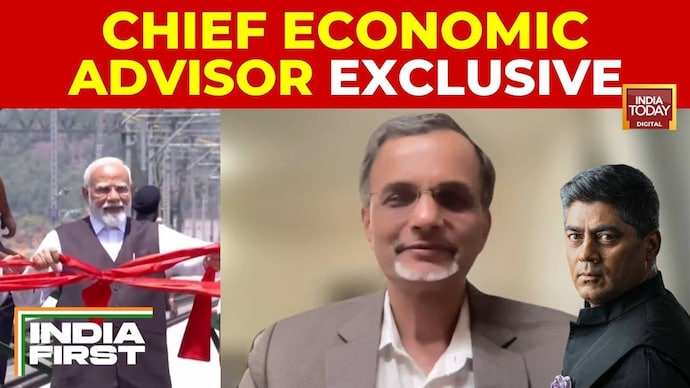
PM Modi Is 'Architect Of The Economic Policy': V. Anantha Nageswaran

Chief Economic Advisor to the Government of India, V. Anantha Nageswaran, discussed India's path toward Viksit Bharat by 2047, macroeconomic stability, and growth drivers. Highlighting the transformation over the past twelve years, he stated that Prime Minister Narendra Modi "is the architect of the economic policy" and credited structural reforms like the Goods and Services Tax, the Insolvency and Bankruptcy Code, and large-scale infrastructure expansion for repairing balance sheets and boosting potential growth. Addressing rural incomes and employment generation, Nageswaran emphasized that economic growth must directly impact citizens' lives, detailing fiscal initiatives, deregulation, free trade agreements, and credit expansion for micro, small, and medium enterprises. He also touched upon global headwinds, including geopolitical conflicts and manufacturing competition, noting that India's domestic capital formation and manufacturing share of gross value addition continue to rise steadily.

India Advances Chip Sector, Launches SemiCon Mission Phase Two and Expands Power Grid

Addressing the fifth edition of SemiCon India, the speaker highlighted India's rapid strides in building a comprehensive semiconductor ecosystem, spanning chip design, manufacturing, testing capabilities, and material supply chains. The address outlined key economic milestones, including a 7.8 percent quarterly GDP growth rate, sovereign rating upgrades, and the operationalisation of a 3000-kilometre Dedicated Freight Corridor. Emphasising the transition from policy frameworks to commercial chip production at facilities in Mohali and Surat, the speaker announced the rollout of the second phase of the India Semiconductor Mission, valued at 13.5 billion dollars. Key reforms allowing international partnerships with domestic design startups and fabless firms were highlighted. Addressing challenges posed by artificial intelligence and rising computing demands, the address stressed the importance of energy security, pointing to India's installed solar capacity expanding from two gigawatts to over 160 gigawatts alongside nuclear power development. The speech underlined India's emergence as a trusted global supply chain destination.

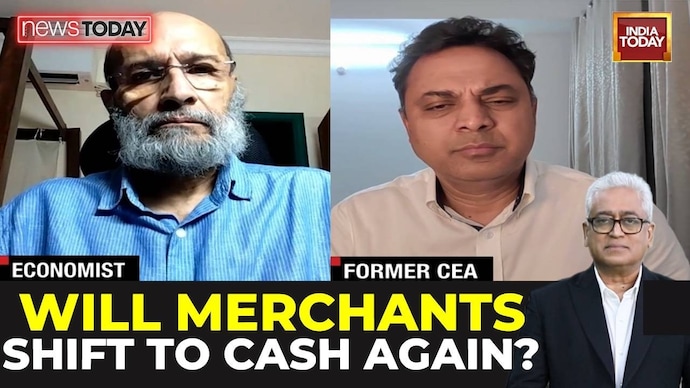
The News Today: Krishnamurthy Subramanian & Santosh Mehrotra On UPI Levy

In this edition of The News Today, anchor Rajdeep Sardesai leads a crucial discussion examining the government's UPI merchant discount rate levy. Joining the panel are Dr Krishnamurthy Subramanian, former Chief Economic Advisor to the Government of India, and Professor Santosh Mehrotra, Visiting Professor at the University of Bath. Professor Mehrotra argues against continuous taxpayer subsidies for digital payments, advocating instead that transaction costs should be fairly apportioned between banks, multinational platforms, and merchants. Meanwhile, Dr Krishnamurthy Subramanian warns that imposing an ad valorem transaction tax fails to align with UPI mechanics and risks driving small merchants back to cash transactions. He underlines that UPI should primarily serve as an engine for credit creation to generate income for banking infrastructure and technology investments rather than imposing friction on digital commerce. The panellists also assess whether merchants will ultimately pass these costs onto consumers and analyse the broader economic ramifications of altering the fee structure for digital payments.

MDR on UPI Payments: Krishnamurthy Subramanian

Former Chief Economic Advisor Krishnamurthy Subramanian shares his perspective on the government's merchant discount rate (MDR) policy for UPI payments. Discussing UPI's role as a sovereign public good, he cautions against ad valorem transaction taxes and notes that merchants might shift back to cash transactions, incurring implicit opportunity costs. Instead of taxing transactions, he emphasizes utilizing the platform to drive credit creation in the economy. Subramanian points out that India's private credit-to-GDP ratio is around 60%, compared to the global average of 150%, offering massive scope for expansion. 'Utilize this for credit creation,' he asserts, explaining that interest income can sustainably fund infrastructure, technology, and cybersecurity needs.

Welfare Schemes, National Security Push And Economic Growth Highlight 25-Year Governance Milestone

A comprehensive overview of governance achievements and nationwide outreach initiatives was presented during a media address. Key milestones highlighted include the lifting of millions out of multi-dimensional poverty, direct benefit transfers via bank accounts, tap water connections, free ration distribution, sanitation coverage, and housing initiatives. Significant progress in economic transformation was outlined, focusing on gross domestic product growth, digital public infrastructure, tax reforms, banking sector turnaround, and infrastructure expansion across railways, roadways, and aviation. Major policy decisions concerning national security, legislative representation for women, internal security improvements, and administrative reforms across several states were detailed. A series of community service programmes, outreach drives, innovation challenges, and governance dialogues spanning villages to representative assemblies were announced to connect with beneficiaries and promote citizen participation across the country.

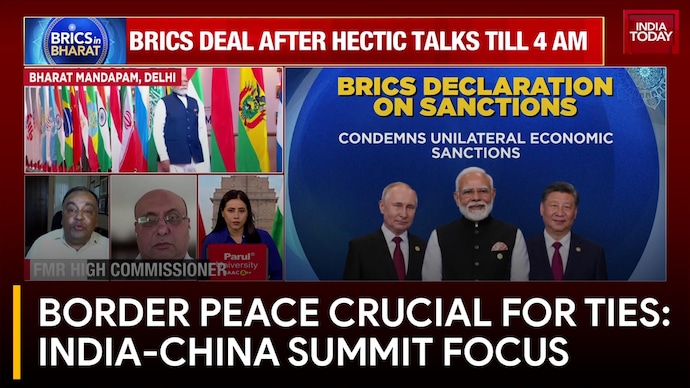
Iran Conflict Impact, Modi-Xi Bilateral & India-China LAC Border Dispute

A news broadcast discusses key geopolitical challenges facing India, focusing on the Gulf conflict and the India-China bilateral engagement. The panel highlights the escalating war involving Iran, the blockade of vital energy routes including the Strait of Hormuz and Bab el-Mandeb, and the resulting economic implications such as rising fuel prices despite India recording 7.8% GDP growth in the first quarter. The discussion also covers the high-level meeting between Prime Minister Narendra Modi and Chinese President Xi Jinping. Key issues between New Delhi and Beijing include the long-standing Line of Actual Control border dispute, troop deployments at super high altitudes, and a bilateral trade deficit exceeding 100 billion dollars. The analysis emphasises border peace, confidence-building measures, and India's rapid infrastructure construction across high-altitude frontier areas to maintain deterrence.

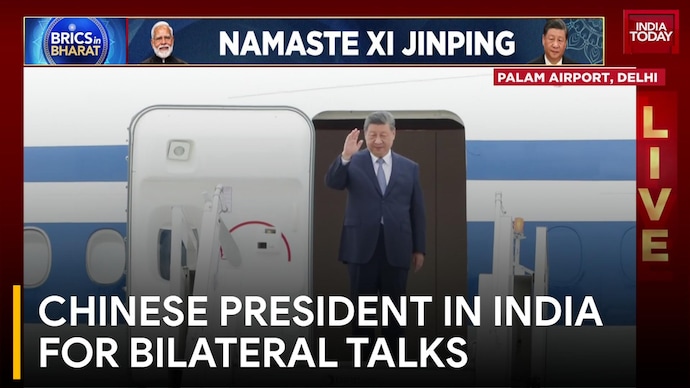
Chinese President In India After 7 Years, Bilateral Talks At Bharat Mandapam

The Chinese President has arrived in India on his first visit in nearly seven years, marking his first trip since the 2020 Galwan clash. A minister designate received the Chinese delegation at Palam Airport ahead of scheduled bilateral talks at Bharat Mandapam at 5:45 PM. A diplomatic delegation of nearly four hundred members, including business delegates, is participating in the BRICS Summit 2026. A secure corridor and tightened security arrangements were established across routes from Palam Air Force Base through Chanakyapuri to Bharat Mandapam by Delhi Police. The visit follows previous leader-level engagements in Johannesburg in 2023, Kazan in 2024, and Tianjin in 2025, reflecting steps toward a diplomatic thaw after extended border standoffs along the Line of Actual Control. The engagement addresses multilateral dialogue, bilateral coordination, and strategic economic partnerships.

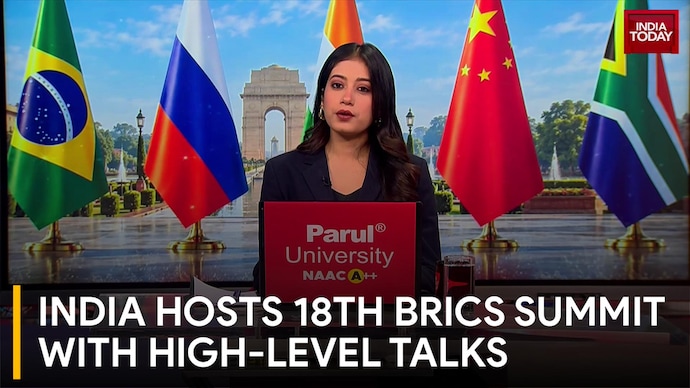
India Hosts 18th BRICS Summit, Focuses on Four Core Pillars and High-Level Bilateral Talks

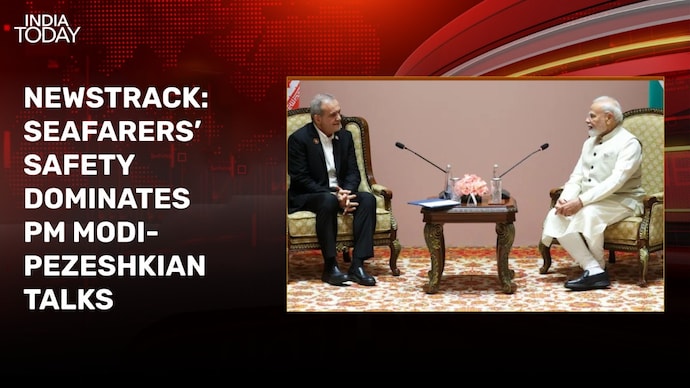
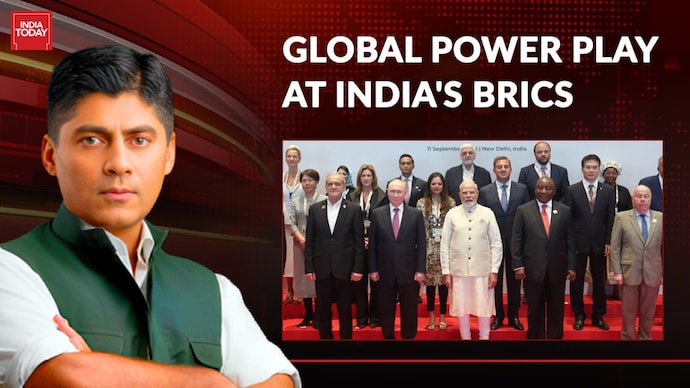
India is hosting the eighteenth BRICS Summit, marking its chairship with over four hundred preparatory meetings centered on humanity first. The summit's core theme highlights four pillars: resilience, innovation, connectivity, and sustainability, alongside focused outreach to women and farmers. The eleven-member economic bloc represents forty percent of global GDP based on purchasing power parity and nearly fifty percent of the world's population. Prime Minister Narendra Modi's itinerary includes bilateral meetings with leaders from Ethiopia, Malaysia, Abu Dhabi, Vietnam, and China. In addition to diplomatic dialogues, leaders will participate in a sapling planting initiative at Bharat Mandapam, attend a cultural presentation featuring one hundred and sixty artists from member nations, and join a gala dinner. India has also proposed funding one hundred startups and prepared fifty outcome documents to deliver tangible solutions for international challenges.

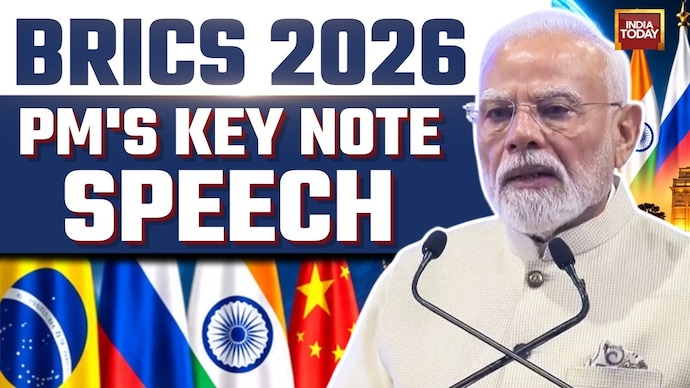
PM Narendra Modi: 'Make in India, Innovate with India, Scale for the World'

Prime Minister Narendra Modi addressed the BRICS Business Forum, highlighting the growth and resilience of the economic bloc as it marks 20 years. Emphasising India's economic strength, technological advancement, and startup revolution, Mr Modi invited global leaders and businesses to partner with the country under the vision: 'Make in India, Innovate with India, Scale for the World.' He noted that BRICS countries now represent 50 percent of the world population and 40 percent of global GDP, expanding from four nations in 2006 to 21 partner nations. Underlining India's role as a trusted hub for stability and innovation, the Prime Minister highlighted landmark initiatives such as the Unified Payments Interface (UPI), green hydrogen development, and strategic supply chain diversification. Modi urged the BRICS Business Council to create a roadmap to eliminate the top ten trade barriers, scale 100 startups across member markets annually, and establish 1,000 new business partnerships to translate shared ambitions into impactful global solutions.