Voter deletion allegations during SIR a false alarm: Bihar CM
His remarks come amid a wider row over the Election Commission after a report described objections within the poll panel to decisions on the nationwide SIR.

Gyanesh Kumar is the 26th Chief Election Commissioner of India. He took charge of the Election Commission of India on February 19, 2025, succeeding Rajiv Kumar. A retired 1988-batch IAS officer of the Kerala cadre, Kumar has held senior administrative positions in both the Kerala and central governments.
Kumar began his career in Kerala, serving as Sub Collector of Adoor and later as District Collector of Ernakulam, Municipal Commissioner of Kochi and in several other senior administrative roles. At the Centre, he served as Joint Secretary and Additional Secretary in the Ministry of Home Affairs. During his tenure at the MHA, he was involved in the implementation of the government's decision to abrogate Article 370 in Jammu and Kashmir.
He later served as Secretary in the Ministry of Parliamentary Affairs and Ministry of Cooperation. After retiring from the IAS in January 2024, he was appointed Election Commissioner in March 2024 and became CEC the following year.
Kumar holds a BTech in Civil Engineering from IIT Kanpur and studied Environmental Economics at Harvard University.
A political controversy has emerged over allegations concerning the Chief Election Commissioner. A former Kerala Chief Secretary alleged that during a flight to Delhi in 2016, the official advised him to contest the 2019 Lok Sabha elections on a Bharatiya Janata Party ticket, an offer he stated he rejected. The opposition has questioned the neutrality of the Election Commission and demanded the resignation of the poll body chief following reports regarding internal rifts. Meanwhile, the ruling party dismissed the claims as fabricated, questioning why the allegations surfaced after an entire decade and raising doubts over the timing of the disclosure.
Congress MP Priyanka Gandhi Vadra has demanded the resignation of Chief Election Commissioner Gyanesh Kumar following allegations by former Kerala Chief Secretary Jiji Thomson. Thomson claimed that in 2016, Gyanesh Kumar advised him during a flight to contest the 2019 Lok Sabha elections on a BJP ticket, win, and become a minister. Speaking on the revelations, Priyanka Gandhi termed the alleged action illegal, unconstitutional, and unethical, questioning how individuals actively propagating party leanings can oversee fair elections. The controversy comes amid wider opposition scrutiny and ongoing friction within the Election Commission, with Congress leaders warning that protests demanding the poll chief's resignation will escalate in the coming weeks.
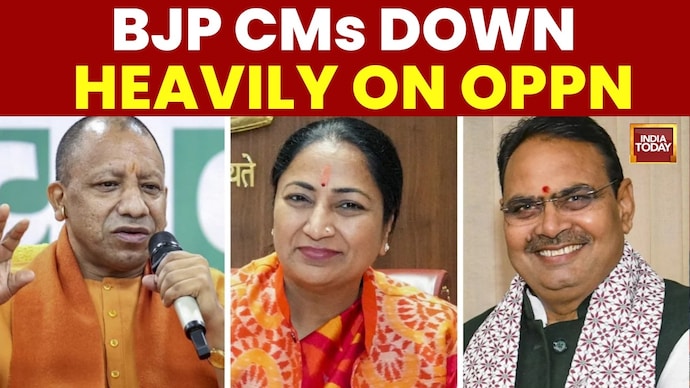
A major political row has erupted over the Election Commission, triggering sharp exchanges between the Bharatiya Janata Party and opposition leaders. Ruling party leaders hit back at the opposition, accusing parties of targeting constitutional institutions, spreading misinformation, and attempting to create public confusion after the full commission addressed a joint press conference confirming unanimous decisions. Meanwhile, the opposition intensified its offensive over the Special Intensive Revision process, alleging that thirteen crore voters have been disenfranchised through an opaque mechanism and demanding the immediate resignation of Chief Election Commissioner Gyanesh Kumar over transparency and electoral roll discrepancies.
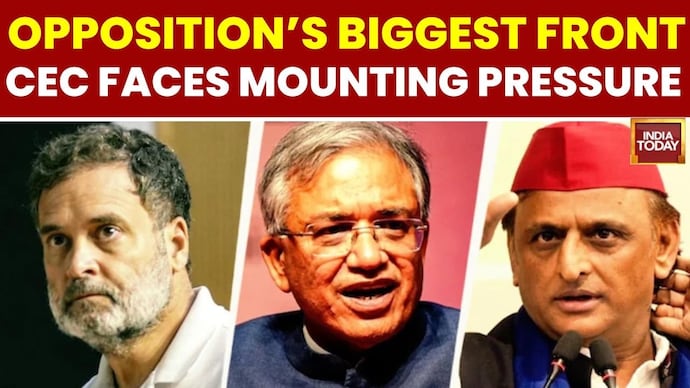
A major political confrontation has erupted between the BJP and the opposition over the Chief Election Commissioner and the Special Intensive Revision exercise. Opposition parties, led by the Congress and INDIA bloc constituents, have demanded the resignation of CEC Gyanesh Kumar, accusing the authorities of disenfranchising voters, calling the exercise an assault on democracy, and weighing an impeachment motion. The BJP has countered vigorously, with leaders accusing the opposition of attacking constitutional institutions to conceal their electoral failures and misleading the public. While the opposition alleges opacity and claims legal safeguards for election commissioners protect wrongdoing, the ruling party asserts that decisions within the Election Commission were taken unanimously and that allegations against the poll panel remain baseless.
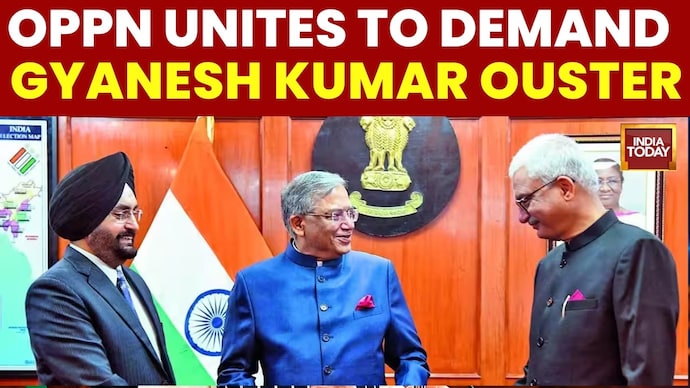
Efforts to unite the opposition gained momentum as political parties coordinated action regarding the demand for Chief Election Commissioner Gyanesh Kumar's removal. Ahead of an opposition meeting scheduled for 30 September at the Constitution Club, CPM General Secretary MA Baby is slated to meet former Delhi Chief Minister Arvind Kejriwal. Deliberations have brought together political rivals, including the Communist Party of India and the Trinamool Congress, alongside outreach to other parties. The discussions follow reports of internal objections by election commissioners over decisions taken by the Chief Election Commissioner. Opposition members plan to hold coordinated protests against the ruling Bharatiya Janata Party and the Election Commission, while also preparing to move an impeachment motion in Parliament.
A political war of words has erupted after former Kerala Chief Secretary G.G. Thompson alleged that Chief Election Commissioner Gyanesh Kumar, during a flight to Delhi in 2016, advised him to contest the 2019 Lok Sabha elections on a Bharatiya Janata Party ticket. Thompson stated that he promptly rejected the offer. Seizing on the claim, Congress leader Rahul Gandhi attacked Kumar, alleging that he previously recruited for the BJP and accusing the prime minister and home minister of making him the election umpire. Speaking on the matter, Congress MP Jebi Mather called Kumar a "chief conspiracy commissioner", demanding his arrest and immediate resignation over alleged misuse of constitutional office. Meanwhile, the BJP strongly dismissed the allegations as fabricated, questioning why Thompson maintained silence for nearly a decade and casting doubt over his credibility, with party spokesperson RP Singh alleging political motives behind the delayed disclosure.
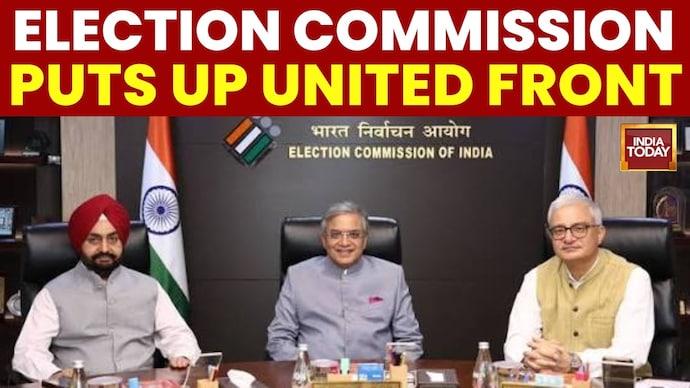
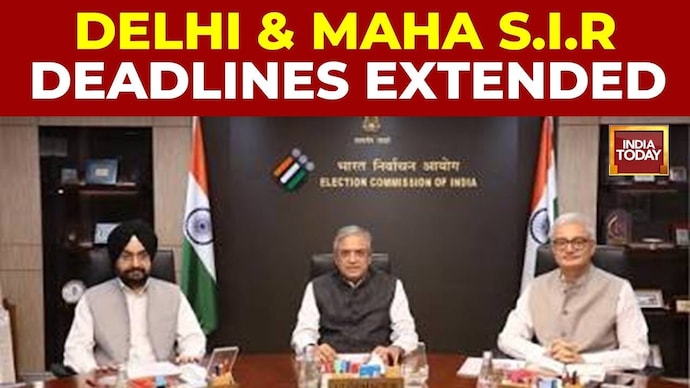
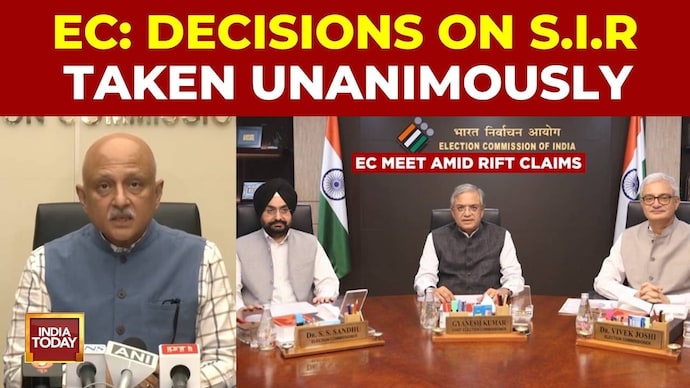
The Election Commission of India held an internal meeting with Chief Election Commissioner Gyanesh Kumar and Election Commissioners Sukhbir Singh Sandhu and Vivek Joshi following reports that commissioners objected fourteen times to decisions regarding the Special Intensive Revision. Addressing concerns over its decision-making, the poll body stated that internal discussions and differences should not be confused with final decisions, clarifying that all major Special Intensive Revision orders were passed unanimously. The Commission affirmed that statutory Form 6 was not altered, noting that an additional declaration was required alongside it. It highlighted that 2.73 crore young voters were enrolled since 2025 and reaffirmed that ECI Net preserves role-based statutory powers for field officers. Furthermore, the Commission addressed communications involving the Cabinet Secretary, clarifying they pertained to an officer on deputation rather than policy or information technology matters. The body also noted measures for vulnerable electors, online verification options to prevent mandatory personal appearances before Electoral Registration Officers, and deadline extensions in Delhi and Maharashtra.
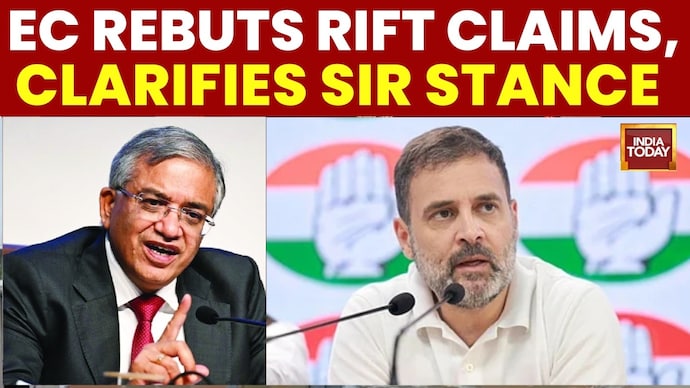
The Election Commission of India has addressed claims regarding internal rifts among its commissioners, issuing a clarification that all major decisions concerning the Special Intensive Revision (SIR) were approved unanimously by Chief Election Commissioner Gyanesh Kumar, Sukhbir Singh Sandhu, and Vivek Joshi. Following a full commission meeting, the poll body maintained that internal discussions and objections did not override final institutional decisions, confirming that statutory Form 6 remained unchanged and was merely accompanied by Annexure D. The Commission also announced deadline extensions for filing claims under SIR, setting October 30 for Delhi and October 12 for Maharashtra, alongside booth level officer house visits in Goa. While opposition parties raised concerns over Form 6 amendments and voter deletions, the Bharatiya Janata Party and National Democratic Alliance partners, including the Telugu Desam Party and Janata Dal (United), backed the poll body, stating that the clarification affirms the credibility of constitutional bodies.
The Election Commission of India held an internal meeting with Chief Election Commissioner Gyanesh Kumar and Election Commissioners Sukhbir Singh Sandhu and Vivek Joshi amid allegations of internal differences. The poll body issued a clarification stating that all key decisions regarding the Special Intensive Revision process were taken unanimously by consensus and were deemed legally valid by the Supreme Court of India. The Bharatiya Janata Party and Andhra Pradesh Chief Minister N. Chandrababu Naidu supported the clarification, while opposition voices raised concerns regarding form amendments and deletions.
Telugu Desam Party leader N. Chandrababu Naidu has defended the Election Commission of India following a unanimous clarification issued by Chief Election Commissioner Gyanesh Kumar alongside Election Commissioners S.S. Sandhu and Vivek Joshi. Quoting his public statement, the bulletin noted that Naidu affirmed the clarification puts to rest misconceptions regarding the special intensive revision of electoral rolls, which he stated are taken collectively in adherence to established protocols. Naidu emphasised that attempts to undermine global confidence in India's electoral framework for political gains are unfortunate, stressing that leadership requires accepting outcomes with humility and upholding institutional respect.
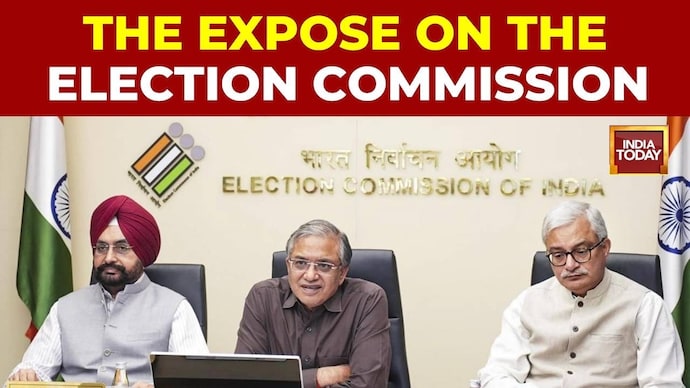
A major controversy has emerged over alleged internal rifts within the Election Commission of India following an expose. Election Commissioners Sukhbir Singh Sandhu and Vivek Joshi reportedly registered formal objections at least 14 times over 10 months against decisions taken without their knowledge or approval. Three main issues form the core of the allegations: alterations to Form 6 requiring new applicants to declare their ancestors' presence on previous electoral rolls, the centralisation of the voter database in Delhi through ECI Net, and the filing of appeals regarding West Bengal voter inclusions without consulting the commissioners or the state Chief Electoral Officer. While the poll panel stated that differing views are normal during deliberations, key questions surrounding these decisions remain unanswered.
Congress leader Rahul Gandhi has targeted Election Commissioner Gyanesh Kumar, alleging that he was placed in charge to orchestrate match-fixing in India's elections. This marks the Congress party's initial response despite clarifications issued by the Election Commission of India regarding procedural unanimity, adherence to the Supreme Court order, and extensions granted for deadlines in Delhi and Maharashtra. While the poll body noted that booth level officers would personally visit homes facing issues, Rahul Gandhi raised questions over the appointment process involving top government leadership.
The Election Commission of India has refuted allegations of internal dissent, affirming that all decisions regarding the Special Intensive Revision (SIR) of electoral rolls were taken unanimously by Chief Election Commissioner Gyanesh Kumar and Election Commissioners Sukhbir Singh Sandhu and Vivek Joshi. Following a meeting at Nirvachan Sadan, the poll panel presented a united front and announced key operational decisions. The deadline for filing claims under the SIR process has been extended to 30 October in Delhi and to 12 October in Maharashtra to assist voters facing procedural issues. Additionally, Booth Level Officers in Goa have been instructed to conduct door-to-door visits to reach left-out voters and assist with pending documentation. The Commission maintained that the SIR exercise fully complied with Supreme Court directives and involved standard internal deliberations rather than disagreement. The ruling Bharatiya Janata Party endorsed the clarification, dismissing opposition allegations regarding friction within the constitutional body.
The Election Commission of India has refuted allegations of internal discord, presenting a united front following a key meeting at Nirvachan Sadan in New Delhi. Chief Election Commissioner Gyanesh Kumar, alongside Election Commissioners Dr Sukhbir Singh Sandhu and Dr Vivek Joshi, clarified that major decisions, including the Special Intensive Revision across states and union territories, were taken unanimously. The commission noted that orders concerning SIR in Bihar, West Bengal, and other regions received unanimous approval and referenced Supreme Court backing. Officials also addressed media reports alleging centralization of power and internal objections, confirming extensions for SIR processes to assist voters.
The Election Commission of India held a crucial internal meeting at Nirvachan Bhavan featuring Chief Election Commissioner Gyanesh Kumar alongside Election Commissioners Sukhbir Singh Sandhu and Vivek Joshi amid allegations of centralisation of powers and opposition demands for the Chief Election Commissioner's removal. Following reports and political criticism, the poll body issued clarifications addressing letters sent to the Cabinet Secretary, explaining that the communication concerned an officer on deputation rather than policy matters or IT division oversight. The Commission confirmed that work redistribution orders were not implemented following commissioners' directions, ensuring uninterrupted IT oversight. Clarifications were also issued regarding voter enrollment under the Special Summary Revision process, stating that SIR schedules across states and union territories received unanimous approval and were upheld by the Supreme Court of India. The Commission detailed enrollment initiatives in Goa and extended claims and objections filing deadlines in Delhi, projecting a united administrative stance.
The Election Commission of India has clarified that all decisions taken by the poll body, including the conduct of the Special Intensive Revision across states and union territories, were unanimous. Addressing reports regarding letters written by Election Commissioners, the poll body stated that the communication addressed to the Cabinet Secretary was strictly administrative in nature, concerning the functioning of an officer on deputation, and not related to any policy matters or the oversight of the Information Technology division. The Commission noted that the Special Intensive Revision orders for 12 states and union territories on 27 October and for 19 states and union territories on 14 May received unanimous approval and align with directives upheld by the Supreme Court of India. Dismissing opposition allegations of an internal divide, the Commission affirmed that administrative feedback reflects healthy internal deliberation and adherence to rules, maintaining that the poll body remains completely united in conducting fair elections across the country.
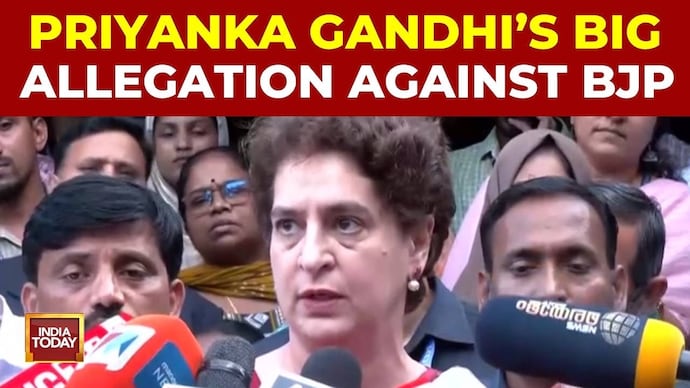
Congress MP Priyanka Gandhi Vadra has lashed out at the Bharatiya Janata Party, alleging that the ruling party is protecting the Election Commissioner while also shielding its own leadership. She stated that it is practically impossible for the Election Commission to indulge in serious illegalities without the full support of the BJP leadership. Addressing the media, she asserted that the INDIA alliance is in complete agreement that the ongoing actions are anti-constitutional and illegal, calling for the removal of legal safeguards provided to the Election Commissioner and demanding a trial for treason. Meanwhile, the Congress party has intensified protests on the ground and across social media, with opposition parties scheduled to convene to decide their upcoming roadmap.
A political war of words has escalated between the Congress and the Bharatiya Janata Party over defending the Election Commission. The controversy deepened following questions raised over institutional transparency, with the Congress asking why the ruling party is attempting to defend the poll watchdog instead of allowing the commission to address queries directly before the country. Meanwhile, the Bharatiya Janata Party responded by stating that the opposition needs concrete proof before levelling allegations against constitutional institutions, pointing out that questions are only raised after electoral defeats. The row has triggered widespread debate across Karnataka's political sphere.
Opposition parties within the INDIA bloc and broader regional outfits are stepping up consultations to formulate a coordinated strategy demanding the resignation and criminal proceedings against Chief Election Commissioner Gyanesh Kumar over alleged electoral irregularities. Top leaders, including Abhishek Banerjee and Rahul Gandhi, have held discussions regarding allegations of voter data and procedural inconsistencies in recent assembly elections. Efforts are underway to organise a joint meeting followed by an opposition media briefing to formalise their campaign. Parties including the Trinamool Congress, Communist Party of India (Marxist), Aam Aadmi Party, and regional groups are being approached to form an expanded front. Concurrently, public demonstration ultimatums have been issued demanding institutional accountability. NDA allies have also underscored the importance of institutional transparency, urging the Election Commission of India to publicly clarify concerns and uphold public trust in democratic electoral processes.
The Janata Dal (Secular) has demanded a clarification from Chief Election Commissioner Gyanesh Kumar regarding reported differences among the three Election Commissioners. Union Minister H.D. Kumaraswamy stated that the real facts surrounding the issues inside the Election Commission must be brought out publicly by its members. Calling the Election Commission of India an autonomous body with significant national responsibilities, he emphasised that the reality should be disclosed to the media and to the country rather than remaining confined to media reports.