Vietnamese crab exporter

Topic

Advertisement
TOPIC

H1N1

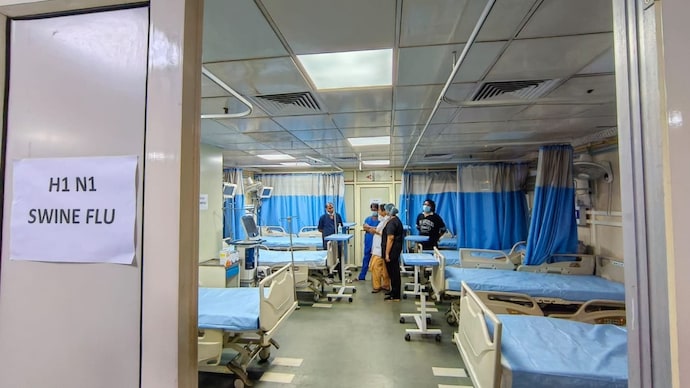
H1N1, commonly known as swine flu, is a subtype of influenza A virus that causes a contagious respiratory infection. It can spread through respiratory droplets when an infected person coughs or sneezes, as well as through close contact and contaminated surfaces.


H1N1 can cause sudden fever, dry cough, sore throat, headache, body aches, chills and fatigue. Most people recover without serious complications, but the infection can sometimes lead to severe respiratory illness. Warning signs include difficulty breathing, chest pain, persistent high fever, confusion, bluish lips or worsening symptoms. A drop in oxygen levels may also indicate more serious illness and requires prompt medical attention.


Older adults, young children and pregnant women are more vulnerable to complications. People with diabetes, chronic heart or lung disease, weakened immunity and other underlying health conditions may also face a higher risk of severe infection.


Treatment depends on the severity of the illness and the person's risk factors. Antiviral medicines such as oseltamivir may be prescribed, particularly for people at higher risk or those with moderate to severe illness. They are generally most effective when started early. Antibiotics do not treat H1N1 and are used only when doctors suspect a secondary bacterial infection. 

  • ALL
  • STORIES
  • VIDEOS

STORIES

ICMR guidelines on flu vaccine as H1N1 continues to surge

ICMR has recommended the Northern Hemisphere flu vaccine for India after surveillance found it closely matched circulating strains. The advice has sharpened attention on vaccine availability as H1N1 cases rise and uptake remains low.

Load More

VIDEOS

Actor Emraan Hashmi Tests Positive For Swine Flu H1N1, Doctor Advises Isolation

Bollywood actor Emraan Hashmi has tested positive for H1N1 swine flu after feeling unwell following his return from Ranchi. Doctors have advised the actor to isolate and follow basic precautionary measures. Hashmi, who was recently shooting for his upcoming film G9, got tested as a responsible citizen after experiencing flu symptoms. The incident highlights rising cases of swine flu, especially after actor Shabana Azmi previously tested positive and isolated. Hashmi has cancelled upcoming public events, including a trip to Bengaluru, to prevent further spread.

Stock Market Closing: Nifty, Sensex Slide; Hyundai’s Big Expansion, Gold & Silver Prices Rise

On the Business Today Show with Sakshi Batra, stock markets turned volatile as the Nifty slipped below the 24,100 mark to end 116 points lower at 24,090, while the Sensex dropped 250 points to trade near 77,200. Broad-market weakness persisted despite strong NVIDIA results, while Hyundai announced plans to launch or refresh over 100 models by 2030 to compete with Toyota and Chinese rivals. Market guest Abhishek Basumallik noted that the Indian stock market is taking a breather following the earnings season and highlighted structural strength in private banks due to historic low NPAs. Reporting on health concerns, Neetu Chandra Sharma detailed a sudden shortage of swine flu medication oseltamivir in Delhi NCR due to low past inventories after a spike in H1N1 cases. Additionally, JSW MG Motor India Director Parth Jindal discussed the launch of the Hector Tomahawk plug-in hybrid, dubbed internally as the 'diesel killer'. Finally, Commerce Minister Piyush Goyal spoke exclusively to India Today on strengthening India-Japan ties, citing a 7 lakh crore rupee investment commitment.

Rajasthan Minister Dr Kirori Lal Meena Tests Positive For Swine Flu, Admitted To Jaipur SMS Hospital ICU

Rajasthan Agriculture and Rural Development Minister Dr. Kirori Lal Meena has been admitted to the Medical ICU ward at Sawai Man Singh Hospital in Jaipur after testing positive for swine flu. The minister experienced fever and restlessness before testing positive for the H1N1 virus. Doctors at SMS Hospital confirmed that his health status is stable while placing him in the ICU due to breathing difficulties. The incident comes amid a rapid surge in swine flu cases across Rajasthan and the rest of the country.

Delhi H1N1 Surge: Over 2,300 Cases Reported, School Alert Issued, ICMR Says No Need To Panic

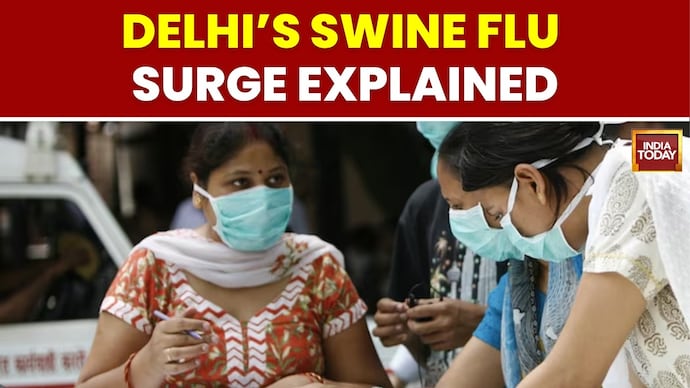
Delhi has reported over 2,300 positive H1N1 cases alongside around 650 flu cases in recent months. The health department confirmed that the situation remains under control, with adequate doctors and medicines available across healthcare facilities. Amid the rising infections, the government issued an H1N1 health alert for government, government-aided, and private schools. The education department instructed institutions to step up awareness and observe basic precautions, while advising students to watch for symptoms such as cough, fever, sore throat, headache, and breathing difficulties. Officials noted that H1N1 remains the dominant strain among circulating influenza A viruses, alongside influenza B and mild COVID cases. Health authorities clarified that the virus has undergone minor mutations without any critical antigenic drift. Testing through RTPCR is not mandatory for everyone, nor is hospitalization required for the vast majority of patients. Medical guidelines emphasize resting for two to three days and avoiding unadvised antivirals or unnecessary panic, with vaccines advised primarily for high-risk groups and senior citizens.

H1N1 Cases Rise In Delhi: Govt Assures Preparedness As Over 2,000 Infections Reported

Delhi Health Minister Pankaj Singh assured citizens that the H1N1 flu situation in the national capital remains under control, with adequate doctors and medicines available. The statement comes as over 2,000 influenza cases have been reported across age groups in the region. Medical experts noted that while the virus has mutated and spreads through respiratory droplets, hospitalization is not required for most individuals. ICMR officials highlighted that antiviral treatment is effective when administered within the first 48 hours of infection. Authorities advise vulnerable populations, including the elderly and immunocompromised, to consult doctors regarding seasonal flu vaccination while maintaining proper respiratory hygiene.

Dr. Suranjit Chatterjee: 'Flu Vaccine Coverage Is Poorer' In India

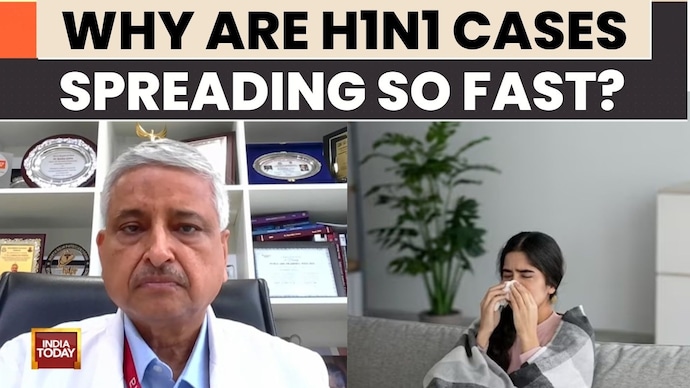
In an exclusive medical panel discussion on seasonal illnesses during the monsoon season, Dr. Suranjit Chatterjee, Senior Consultant of Internal Medicine at Indraprastha Apollo Hospital in Delhi, highlighted the growing concern over the surge in H1N1 influenza cases. He explained that distinguishing H1N1 from ordinary viral fevers on symptoms alone is difficult as both present with fever, cough, sore throat, and body ache. Addressing preventive measures, Dr. Suranjit Chatterjee emphasized the importance of immunization, stating, "One of the reasons why I think the numbers are higher because our influenza or the flu vaccine coverage is poorer." He advised that increasing vaccination rates could significantly reduce swine flu cases and lower infection severity. Additionally, he highlighted the crucial role of early antiviral treatment, noting that medications like oseltamivir provide maximum benefit when administered early in vulnerable age groups upon clinical suspicion.

Surge In H1N1 Flu Cases, Role Of Annual Vaccines And Treatment Precautions

India is experiencing a significant surge in H1N1 influenza cases during the current monsoon season compared to previous years. Environmental factors like high humidity and increased rainfall prolong viral survival, while crowding accelerates transmission among people. Although case numbers are rising, the circulating strain remains identical to previous years, making annual influenza vaccines effective at preventing severe illness, ICU admissions, and hospitalizations. Medical guidance advises taking flu shots around April or May to ensure seasonal coverage, though immediate vaccination is recommended for those who missed previous doses. To curb transmission, individuals showing symptoms such as fever, cough, and cold should isolate at home, follow proper cough etiquette, and practice hand hygiene. Vulnerable populations, including children and the elderly, require extra care. High-risk patients experiencing persistent symptoms or chest discomfort should seek early RTPCR testing to receive prompt antiviral treatment like oseltamivir, which is most effective when administered early.

H1N1 Cases Surge In India: Dr Soumya Swaminathan On Flu Strains, Testing & Vaccine Precautions

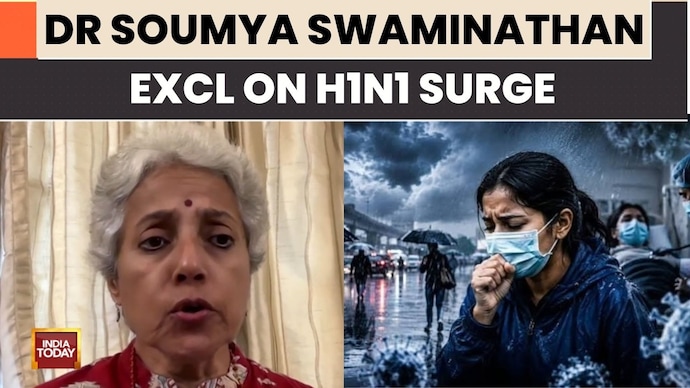
Speaking on the rising H1N1 cases across India, former World Health Organization Chief Scientist and pediatrician Dr. Soumya Swaminathan clarified that the surge is part of a regular seasonal outbreak of respiratory viral infections, exacerbated by increased testing and surveillance. She highlighted that genomic sequencing shows no major antigenic shift in the circulating strain compared to previous years, reassuring that panic is unnecessary. Dr. Swaminathan emphasized that seasonal influenza remains a serious public health concern, particularly for vulnerable groups such as young children, pregnant women, the elderly, and individuals with underlying health conditions. She cautioned against the improper and casual use of antibiotics and antivirals, warning that self-medication fuels antimicrobial resistance. Advising on preventive measures, she recommended flu vaccination for high-risk populations, wearing masks in crowded spaces, practicing hand hygiene, ensuring proper indoor ventilation, and staying home when feeling unwell to curb transmission.

H1N1 Cases Surge Across India: Delhi, Karnataka On Alert As Festive Season Begins

Health authorities across India have raised an alert as H1N1 seasonal flu cases climb during the post-monsoon period. Delhi has recorded 1,777 H1N1 cases this year out of nearly 2,392 influenza A cases, with Karnataka reporting over 4,200 cases. Rising numbers have also been flagged in Kerala and Maharashtra. ICMR scientists confirmed that no new H1N1 strain is behind the surge, noting that the virus follows its typical twice-a-year seasonal pattern between July and October. The central government has reviewed Delhi's preparedness, including hospital bed availability, oxygen supply, critical care capacity, and medicine stocks. High-risk groups such as young children, pregnant women, and adults over 65 with comorbidities are advised to take precautions as festive gatherings commence. Health experts recommend annual flu vaccines, proper hygiene practices, avoiding self-medication, and seeking medical attention if symptoms persist.

Surge In H1N1 Cases Reported Across India As Experts Advise Precaution And Timely Vaccination

India is witnessing a significant surge in H1N1 influenza cases during the monsoon season, with transmission levels higher than in previous years. Environmental factors such as increased humidity and monsoon rainfall in parts of central and northern India allow the virus to survive longer and spread rapidly, especially where overcrowding occurs. While the virus strain remains similar to previous years, seasonal antigenic drift contributes to heightened infectivity. A large majority of cases remain mild and manageable through symptomatic treatment, though official case counts may reflect an underestimation as many individuals with mild symptoms avoid RTPCR testing. Preventive measures include strictly isolating sick children from schools, practicing cough etiquette, maintaining hand hygiene, wearing masks in crowded spaces, and taking annual influenza vaccines to reduce hospitalization risks. Medical experts recommend the Southern Hemisphere flu vaccine in April or May for optimal protection prior to monsoon peaks.

Surge In H1N1 Cases Reported; Expert Guidance On Flu Vaccines And Preventive Measures

A significant surge in H1N1 cases has been recorded across regions, showing more than a six-fold increase compared to the previous year. High humidity and extended monsoon conditions in parts of central and north India allow the virus to survive longer in the environment, while increased indoor crowding facilitates transmission. Although the circulating strain remains identical to the one present since the 2009 pandemic, minor seasonal variations lead to higher rates of spread. Most reported cases remain mild and respond well to symptomatic treatment. Taking an annual influenza vaccine, preferably in April or May, provides crucial protection against severe infection, hospitalization, and intensive care admissions. Preventive practices such as staying home when displaying flu symptoms, maintaining cough etiquette, using hand sanitizers, and wearing masks in public spaces are critical to breaking the chain of transmission. Official case numbers may be an underestimation, as many individuals with mild symptoms refrain from undergoing formal diagnostic tests.

H1N1 Swine Flu Testing Guidelines, Symptoms To Watch For And Adult Immunisation Need Explained

A detailed medical discussion highlights the critical aspects of managing H1N1 swine flu, including symptoms, testing protocols, and treatment strategies. Early testing is recommended for high-risk individuals experiencing persistent fever, cough, sore throat, chest tightness, or breathlessness to enable timely administration of antiviral drugs like oseltamivir (Tamiflu). Since RT-PCR test results can take two to three days, empirical treatment may be considered for severe cases or high-risk patients with family history during surges. Warning signs of severe illness include high fever lasting over four to five days, dizziness, vomiting, dehydration, and rapid breathing in children. The discussion emphasizes the need for an adult or life course immunisation program to protect vulnerable populations, pregnant women, and travellers from vaccine-preventable respiratory infections. Furthermore, the expert clarifies differences between H1N1 influenza and COVID-19, reassuring that India's healthcare infrastructure, surveillance, and public awareness are well-prepared to handle seasonal surges without cause for panic.

ICMR Clarifies No New H1N1 Strain in India; Cases Rise Amid Monsoon Humidity

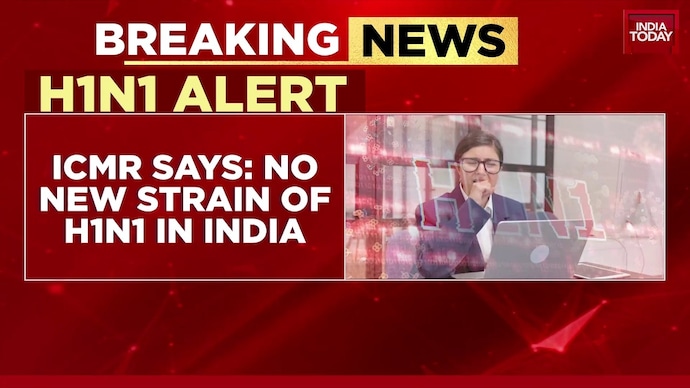
Senior scientists at the Indian Council of Medical Research have clarified that the H1N1 pdm09 influenza strain currently circulating in India is not a new strain, stating there is no cause for panic. While cases of the highly contagious virus have seen a sixfold increase in cities like Delhi, the virus matches recommended seasonal vaccines. Doctors and officials advise taking flu shots and precautions, as high monsoon humidity accelerates spread, with young children, elderly individuals, and those with underlying medical conditions facing higher risk of complications such as pneumonia.

Delhi Sees Sixfold Rise In H1N1 Swine Flu Cases; Union Minister JP Nadda Reviews Preparedness

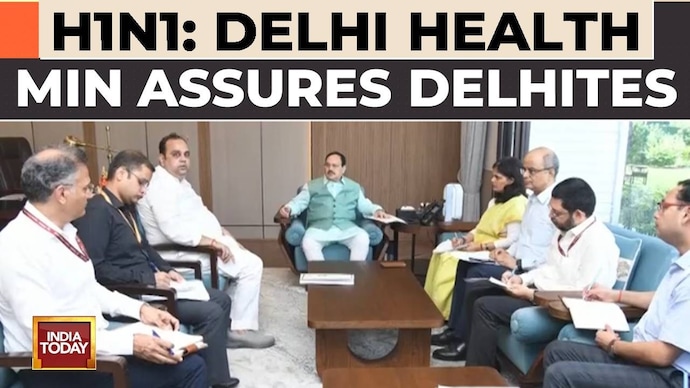
A report by Sneha Mordani for India Today TV highlights a sharp surge in H1N1 swine flu cases in Delhi, with flu infections increasing more than sixfold this monsoon season compared to last year. The total number of H1N1 cases reached 1,777, with 114 fresh cases recorded in a single day. H1N1 remains the dominant influenza strain, accounting for 72% of single-day fresh flu infections. Union Health Minister JP Nadda met with Delhi Health Minister Dr. Pankaj Kumar Singh and senior officials to review the national capital's preparedness, testing, surveillance, and hospital capacity. Health experts recommend personal hygiene, mask-wearing, 4 to 7 days of isolation for infected individuals, and annual flu vaccination.

Crackdown On Surrogate Ads, Restaurant Food Risks & Monsoon H1N1 Flu Surge

In this episode of Health360, the report examines the rising crackdown on surrogate advertising by tobacco and alcohol brands exploiting legal loopholes through proxy products like cardamom, soda, and music CDs. The Maharashtra Food and Drug Administration issued warnings to actors Shah Rukh Khan, Ajay Devgn, and Tiger Shroff over endorsement deals promoting Vimal Elaichi, which links back to pan masala. The report highlights the health risks associated with restaurant food, including high sodium levels, hidden sugars, unhygienic kitchens, and reused cooking oil that undergoes dangerous chemical changes upon repeated heating. Additionally, experts address the monsoon health season, focusing on a six-fold rise in H1N1 seasonal influenza cases in Delhi and flu-like symptoms among students in Bengaluru. Medical specialists discuss distinguishing H1N1 from regular viral fevers, the importance of flu vaccination, and precautions against contagious eye flu or conjunctivitis. Gut health experts further recommend consuming freshly cooked food, probiotics, and citrus fruits to boost immunity during the rainy season.