Vietnamese crab exporter

Topic

Advertisement
TOPIC

ICMR

The Indian Council of Medical Research (ICMR) stands as the apex body for biomedical research in India, operating under the Ministry of Health and Family Welfare. Established in 1911 as the Indian Research Fund Association (IRFA), it was renamed ICMR in 1949. Its primary mandate is to formulate, coordinate, and promote biomedical research, focusing on the country's health priorities.

ICMR conducts and supports research through its network of 26 institutes and centers, addressing a wide range of health issues from communicable and non-communicable diseases to maternal and child health. It plays a pivotal role in responding to public health emergencies, evident in its crucial involvement during the COVID-19 pandemic, where it led efforts in testing, research, and vaccine development.

The council is known for its high-impact research, policy formulation, and setting ethical standards in health research. It collaborates with national and international agencies, fostering innovation and scientific excellence. Programs like the National AIDS Research Institute and the Vector Control Research Centre underscore its diverse research portfolio.

ICMR's initiatives also include capacity building, with training programs and fellowships to nurture the next generation of scientists. Its contributions significantly influence public health policies, making it a cornerstone of India's healthcare research and development.

  • ALL
  • STORIES
  • VIDEOS

STORIES

ICMR guidelines on flu vaccine as H1N1 continues to surge

ICMR has recommended the Northern Hemisphere flu vaccine for India after surveillance found it closely matched circulating strains. The advice has sharpened attention on vaccine availability as H1N1 cases rise and uptake remains low.

Load More

VIDEOS

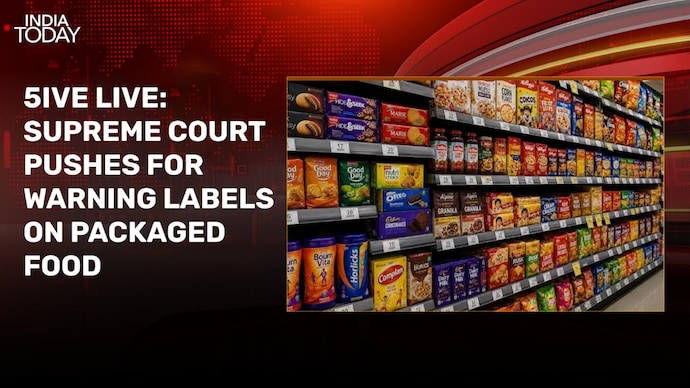
SC pushes for food warning labels, industry lobby seeks fresh review before final call

This special 5ive Live news bulletin covers major national, political, technological, and environmental developments. The broadcast reports on the Supreme Court reviewing mandatory front-of-package warning labels proposed by the Food Safety and Standards Authority of India (FSSAI) for packaged foods high in sugar, salt, and saturated fat amid industry concerns over regulatory thresholds.

Punjab Drug Storm, Satya Niketan PG Crisis, SC Heat on Food Warning Labels

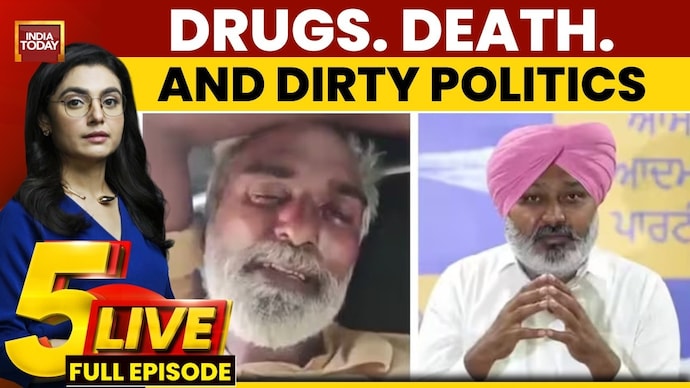
This news bulletin reports on major political, civic, legal, technology, and environmental developments across India. In Punjab, a political controversy has unfolded following the death of Gulzar Singh after his confrontation with Finance Minister Harpal Cheema over the state's drug crisis, leading opposition parties to demand Cheema's resignation and the BJP to announce its Nasha Mukt Punjab Yatra. In Delhi's Satya Niketan, student residents face disruptions following a fatal building collapse as accommodation operators fled the area. Meanwhile, the Supreme Court is hearing petitions regarding mandatory front-of-package nutritional labelling for packaged foods high in sugar, salt, and saturated fat, with advocate Rajiv Shankar Dwivedi citing international regulatory standards. The broadcast also covers the launch, specifications, and public response to Apple's foldable iPhone Duo, an artificial intelligence recreation of a 1980s newsroom, and medical warnings under the Pollution Ka Solution campaign regarding Delhi air quality.

SC Front-Of-Pack Food Warnings, FSSAI Sugar-Salt Label Plan, FMCG Pushback

The Supreme Court of India examined the implementation of front-of-package labelling for packaged food items high in sugar, salt, and fat, categorising the issue as a serious matter of food safety and public health, especially for children. Under proposals by the Food Safety and Standards Authority of India (FSSAI), products exceeding dietary thresholds would carry warning labels, including a proposed red hexagon design. The regulatory roadmap envisages a phased rollout based on Indian Council of Medical Research guidelines. Meanwhile, the hundred-billion-dollar packaged food industry has expressed concern before the apex court, arguing that stringent limits could impact roughly eighty percent of market products and increase compliance costs. The court noted that regulatory bodies must fulfill their statutory duty to safeguard citizens' wellbeing, with a detailed order expected ahead of the next hearing scheduled for September 28. Consumer advocates highlighted that revealing existing nutritional data on the front of packets ensures consumer awareness without altering basic product compositions.

Packaged Food Regulations, Red Warning Labels And Misleading Health Claims

The Food Safety and Standards Authority of India is stepping up regulatory oversight and enforcement against fraudulent packaging, mislabelling, and misleading health claims made by food manufacturers. Amid rising concerns over ultra-processed foods, diabetes, and obesity, the regulatory body has proposed front-of-package red warning labels to alert consumers about items high in fat, sugar, and salt based on scientific standards. State food safety departments are increasingly active in enforcing compliance across millions of food business operators. Authorities are also prosecuting brands that make unverified claims about ingredients, such as health beverages, energy drinks, and packaged snacks that exaggerate the presence of healthy components like dry fruits. Additionally, regulatory notices have been served to entities utilizing deceptive trademarks and absolute claims of purity or health benefits. The regulator is also engaging with celebrities and influencers to halt endorsements of unhealthy packaged foods and beverage products.

Delhi H1N1 Surge: Over 2,300 Cases Reported, School Alert Issued, ICMR Says No Need To Panic

Delhi has reported over 2,300 positive H1N1 cases alongside around 650 flu cases in recent months. The health department confirmed that the situation remains under control, with adequate doctors and medicines available across healthcare facilities. Amid the rising infections, the government issued an H1N1 health alert for government, government-aided, and private schools. The education department instructed institutions to step up awareness and observe basic precautions, while advising students to watch for symptoms such as cough, fever, sore throat, headache, and breathing difficulties. Officials noted that H1N1 remains the dominant strain among circulating influenza A viruses, alongside influenza B and mild COVID cases. Health authorities clarified that the virus has undergone minor mutations without any critical antigenic drift. Testing through RTPCR is not mandatory for everyone, nor is hospitalization required for the vast majority of patients. Medical guidelines emphasize resting for two to three days and avoiding unadvised antivirals or unnecessary panic, with vaccines advised primarily for high-risk groups and senior citizens.

H1N1 Cases Rise In Delhi: Govt Assures Preparedness As Over 2,000 Infections Reported

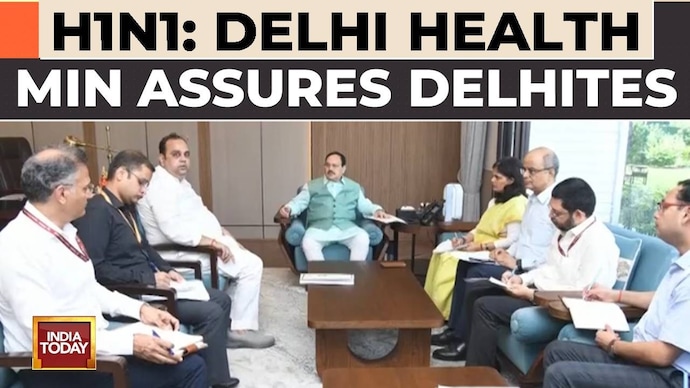
Delhi Health Minister Pankaj Singh assured citizens that the H1N1 flu situation in the national capital remains under control, with adequate doctors and medicines available. The statement comes as over 2,000 influenza cases have been reported across age groups in the region. Medical experts noted that while the virus has mutated and spreads through respiratory droplets, hospitalization is not required for most individuals. ICMR officials highlighted that antiviral treatment is effective when administered within the first 48 hours of infection. Authorities advise vulnerable populations, including the elderly and immunocompromised, to consult doctors regarding seasonal flu vaccination while maintaining proper respiratory hygiene.

H1N1 Cases Surge In India: Dr Soumya Swaminathan On Flu Strains, Testing & Vaccine Precautions

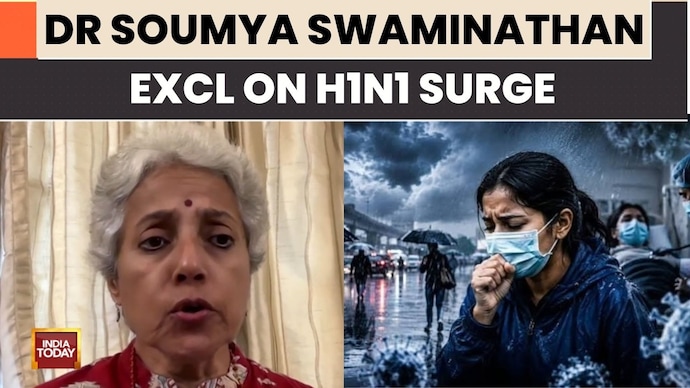
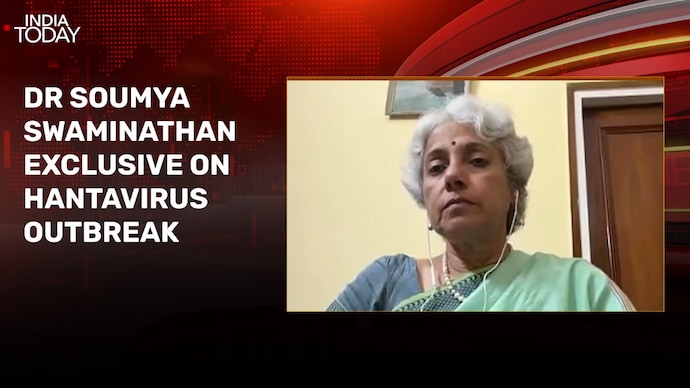
Speaking on the rising H1N1 cases across India, former World Health Organization Chief Scientist and pediatrician Dr. Soumya Swaminathan clarified that the surge is part of a regular seasonal outbreak of respiratory viral infections, exacerbated by increased testing and surveillance. She highlighted that genomic sequencing shows no major antigenic shift in the circulating strain compared to previous years, reassuring that panic is unnecessary. Dr. Swaminathan emphasized that seasonal influenza remains a serious public health concern, particularly for vulnerable groups such as young children, pregnant women, the elderly, and individuals with underlying health conditions. She cautioned against the improper and casual use of antibiotics and antivirals, warning that self-medication fuels antimicrobial resistance. Advising on preventive measures, she recommended flu vaccination for high-risk populations, wearing masks in crowded spaces, practicing hand hygiene, ensuring proper indoor ventilation, and staying home when feeling unwell to curb transmission.

H1N1 Cases Surge Across India: Delhi, Karnataka On Alert As Festive Season Begins

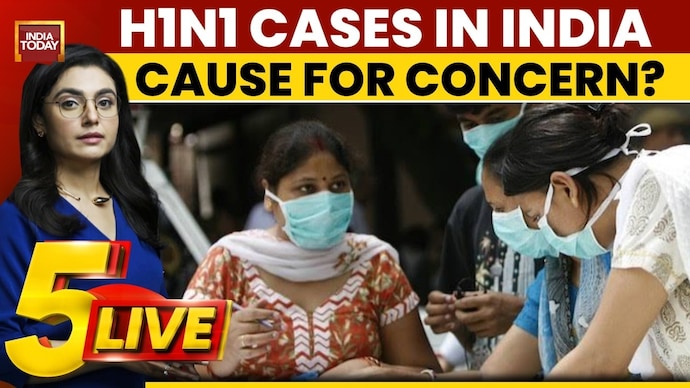
Health authorities across India have raised an alert as H1N1 seasonal flu cases climb during the post-monsoon period. Delhi has recorded 1,777 H1N1 cases this year out of nearly 2,392 influenza A cases, with Karnataka reporting over 4,200 cases. Rising numbers have also been flagged in Kerala and Maharashtra. ICMR scientists confirmed that no new H1N1 strain is behind the surge, noting that the virus follows its typical twice-a-year seasonal pattern between July and October. The central government has reviewed Delhi's preparedness, including hospital bed availability, oxygen supply, critical care capacity, and medicine stocks. High-risk groups such as young children, pregnant women, and adults over 65 with comorbidities are advised to take precautions as festive gatherings commence. Health experts recommend annual flu vaccines, proper hygiene practices, avoiding self-medication, and seeking medical attention if symptoms persist.

Surge In H1N1 Cases Reported Across India As Experts Advise Precaution And Timely Vaccination

India is witnessing a significant surge in H1N1 influenza cases during the monsoon season, with transmission levels higher than in previous years. Environmental factors such as increased humidity and monsoon rainfall in parts of central and northern India allow the virus to survive longer and spread rapidly, especially where overcrowding occurs. While the virus strain remains similar to previous years, seasonal antigenic drift contributes to heightened infectivity. A large majority of cases remain mild and manageable through symptomatic treatment, though official case counts may reflect an underestimation as many individuals with mild symptoms avoid RTPCR testing. Preventive measures include strictly isolating sick children from schools, practicing cough etiquette, maintaining hand hygiene, wearing masks in crowded spaces, and taking annual influenza vaccines to reduce hospitalization risks. Medical experts recommend the Southern Hemisphere flu vaccine in April or May for optimal protection prior to monsoon peaks.

ICMR Clarifies No New H1N1 Strain in India; Cases Rise Amid Monsoon Humidity

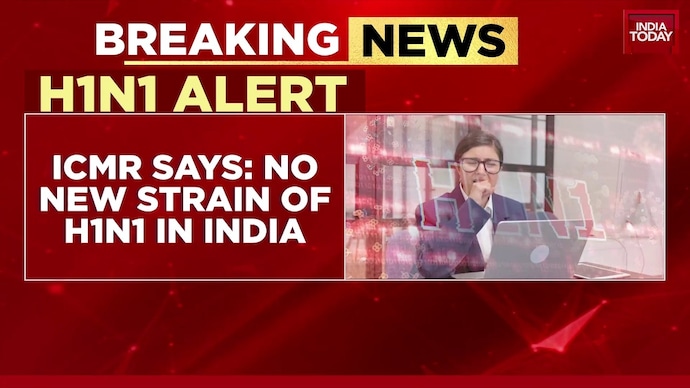
Senior scientists at the Indian Council of Medical Research have clarified that the H1N1 pdm09 influenza strain currently circulating in India is not a new strain, stating there is no cause for panic. While cases of the highly contagious virus have seen a sixfold increase in cities like Delhi, the virus matches recommended seasonal vaccines. Doctors and officials advise taking flu shots and precautions, as high monsoon humidity accelerates spread, with young children, elderly individuals, and those with underlying medical conditions facing higher risk of complications such as pneumonia.

US FDA Approves New Oral Thalassemia Drug; Dr Sanjeev Bagai Calls It 'Game Changer'

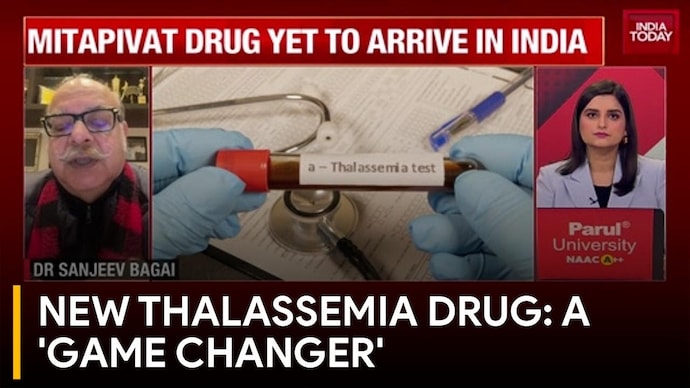
In a major medical breakthrough, the US FDA has approved a new oral drug for Thalassemia, offering hope for a transfusion-free life. Discussing the development, Dr Sanjeev Bagai, Chairman of Nephron Clinic, states that the drug 'would definitely be a game changer' as it addresses the root cause of beta protein dysfunction. Currently, patients face lifelong challenges with regular blood transfusions, iron overload, and chelation therapy. Dr Bagai highlights that the new oral medication could improve quality of life and reduce costs. Regarding availability in India, he estimates a timeline of six to nine months, pending local trials by the ICMR.

Dr Sanjeev Bagai on New Thalassemia Drug: 'Would Definitely Be a Game Changer'

A major global medical breakthrough for thalassemia patients as the US drug regulator FDA approves Mitapivat, the first oral medicine for the genetic blood disorder. This new drug offers hope for a transfusion-free life by treating the underlying problem in red blood cells. Prof. Dr. Sanjeev Bagai, Chairman of Nephron Clinic, explains the significance, stating any medication that corrects the issue at the root cause 'would definitely be a game changer'. The drug could eliminate the need for frequent, costly blood transfusions, which carry risks of iron overload and viral infections. While the approval is a significant leap, the drug is yet to reach India, with Dr. Bagai suggesting it could take six to nine months following local trials by the ICMR.

Special Report: Dr Devi Shetty Backs PM Modi’s AMR Warning, Flags Poultry Antibiotic Misuse

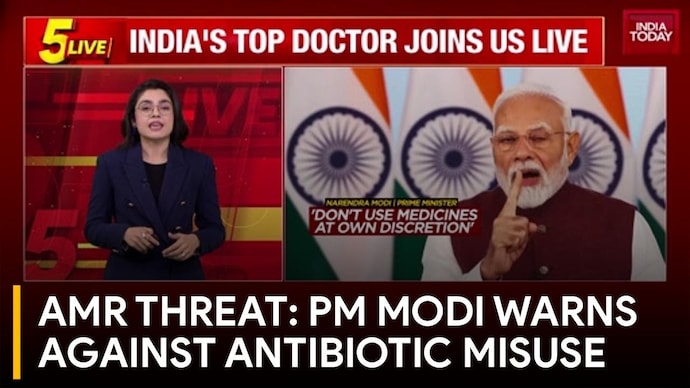
In this Special Report, India Today explores the growing threat of Antimicrobial Resistance (AMR) in India, following a recent warning by Prime Minister Narendra Modi in his ‘Mann Ki Baat’ address. Dr. Devi Shetty, Chairman of Narayana Health, joins the programme to discuss the crisis, noting that ‘antibiotic consumption in poultry and animal husbandry is significantly higher than its utilization in the real patient care’. The discussion highlights how the misuse of antibiotics—both in self-medication and food production—is creating ‘superbugs’ that render common treatments for infections like pneumonia and UTIs ineffective. Dr. Shetty warns that without systemic changes and stricter food safety norms, India faces a future where ‘misuse today means no cure tomorrow’.

Special Report: PM Modi Flags 'Silent Pandemic' of Antibiotic Resistance in Mann Ki Baat

In this special report, the focus is on the growing threat of Antimicrobial Resistance (AMR) in India, a concern recently flagged by Prime Minister Narendra Modi in his 'Mann Ki Baat' address. The Prime Minister cited findings from the Indian Council of Medical Research (ICMR) to highlight how antibiotics are losing effectiveness due to rampant misuse. The segment explains how common viral infections like the flu are often incorrectly treated with powerful antibiotics like Azithromycin and Amoxicillin. It also provides a practical guide for viewers to identify prescription-only drugs by looking for the 'Red Line' on medicine strips. The report emphasizes that 'misuse today means no cure tomorrow'.