Vietnamese crab exporter

Topic

Advertisement
TOPIC

Ladakh

Ladakh is a union territory located in the northern part of India. It is bounded by Jammu and Kashmir to the west and Himachal Pradesh to the south. Its eastern and northern borders are disputed with China and Pakistan respectively.

Ladakh was a part of the state of Jammu and Kashmir from 1947 till 2019. On October 31, 2019, it was administered into a separate union territory after the Jammu and Kashmir Reorganisation Act, 2019, was passed and the state of J&K was split into two union territories - Jammu and Kashmir and Ladakh.

The territory extends from the Siachen Glacier in the Karakoram range to the north to the main Great Himalayas to the south. Ladakh is divided into two districts - Leh and Kargil. The only airport of Ladakh is in Leh called the Kushok Bakula Rimpochee Airport.

The climate of Ladakh is very cold and dry and experiences snowfall. Two languages are mainly spoken in Ladakh - Bauti (a Tibetan language) dominant in Leh district and Purkhi dominant in Kargil district. Hindi, Urdu and English are some other languages of the union territory.

Tourism is a significant source of revenue for Ladakh. Leh Palace is among Ladakh’s principal historical attractions. The area also houses several monasteries, historical and religious sites. Furthermore, it also has hot mineral springs, lakes like Pangong and Zanskar, Khardung La pass and many more scenic places.

Follow Ladakh on

  • ALL
  • STORIES
  • VIDEOS

STORIES

Load More

VIDEOS

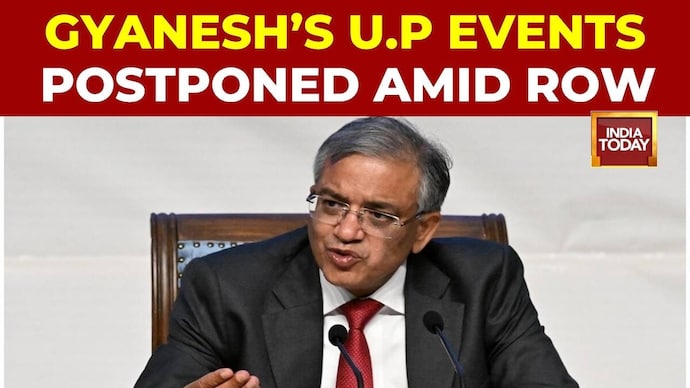
CEC UP Visits Deferred Amid Opposition Outrage; Poll Body Denies Controversy Link

Chief Election Commissioner Gyanesh Kumar's scheduled visits to Meerut and Varanasi in Uttar Pradesh have been postponed amid political controversy and nationwide protests by the INDIA bloc. High-ranking sources within the Election Commission dismissed speculation connecting the deferrals to reports of internal dissent, stating that the decisions were taken days earlier and communicated to local district authorities via email. The poll body maintained that schedule changes are standard operational occurrences influenced by logistics, venue availability, and administrative factors, citing past rescheduling in Himachal Pradesh, Uttarakhand, and Ladakh. Addressing claims regarding friction within the multi-member Commission, sources noted that internal discussions, differing viewpoints, and consensus-building represent the normal functioning of a multi-member constitutional body. The Commission reiterated that final decisions are issued with requisite approval and that routine administrative adjustments should not be conflated with the political showdown surrounding the institution.

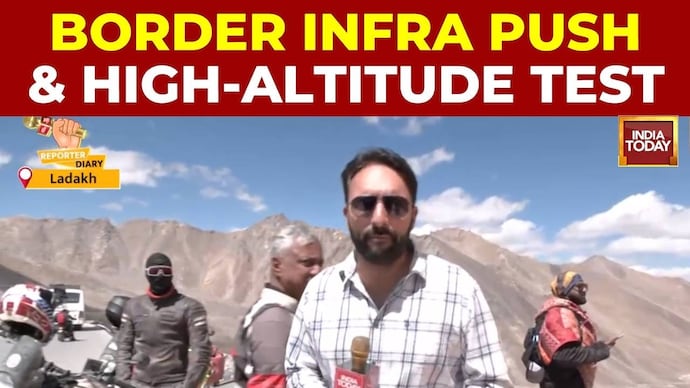
Khardung La Tourism Surge, High-Altitude Challenges, BRO Border Infra Push

A special ground report from the Khardung La pass in Ladakh, situated at around 18,000 feet above sea level, details the significant transformation in road infrastructure and connectivity over the past two decades. Maintained by the Border Roads Organisation, the route serves as a vital strategic link connecting Leh to the Nubra Valley, Pangong Tso, and the Siachen Glacier base camp. Following the Eastern Ladakh standoff in the Galwan sector, the Ministry of Defence prioritised round-the-year connectivity along the Line of Actual Control. The improved roads have driven an increase in tourism and attracted endurance athletes participating in the Ladakh marathon. Visitors and runners from various parts of India and abroad note the extreme physical challenges posed by low oxygen levels at high altitudes, stressing the necessity of gradual acclimatisation and proper hydration while praising the infrastructure development in harsh mountainous terrain.

Gurgaon Viral Video: Women Bikers Highlight Road Safety & Daily Harassment

Following a viral video of a woman rider getting hit in Gurgaon, women bikers shared their daily experiences on Indian roads during a panel discussion. Rider Maral highlighted recurring harassment, recalling an incident where an SUV without a number plate chased her during a trip back from Ladakh. She emphasised the importance of wearing full riding gear to mitigate injury risks. Another rider, Urvashi, echoed safety concerns, noting that riding in complete gear also prevents people from immediately identifying female riders on the road, where unwanted gestures and stalking remain frequent challenges.

Gurugram Road Rage: Speeding Car Rams Woman Biker on Golf Course Road; Fellow Riders Speak Out

A woman biker named Siya was injured on Golf Course Road in Gurugram on Sunday after a speeding car allegedly rammed into her sports bike following an extended chase. The incident, recorded on a motorcycle-mounted camera, occurred while she was travelling with a biking group. Siya stated that the car occupants aggressively tailed her, ordered her to pull over, and hit her bike before driving away when she refused to stop. The car owner claimed he had lent the vehicle to a friend's cousin residing in Palwal and received multiple calls after the clip went viral. Panelists and women riders discussed the incident, highlighting personal encounters with road harassment, vehicular chases involving cars without registration plates, and the importance of wearing full protective riding gear on Indian roads.

Ladakh Marathon Sees Over 5,000 Global Runners; Participants Promote Anti-Drug Fitness

Another edition of the Ladakh Marathon was organised on Sunday, drawing more than five thousand runners from across the globe. Divided into three categories—a forty-five kilometre stretch through the Silk Route, a twenty-one-kilometre half marathon, and an eleven-point-five-kilometre run—the annual event has grown steadily since its inception after the devastating 2010 Ladakh floods. Held at high altitude, it is recognised as the world's highest marathon. Senior participant Ratan Singh shared his experience completing the 21.2-kilometre half marathon within three hours and thirty-seven minutes. He commended the organisers, volunteers, media, police, and defence forces for seamless event management, while urging Indian youth to embrace fitness routines and shun drugs to build a healthier nation.

Iran Conflict Impact, Modi-Xi Bilateral & India-China LAC Border Dispute

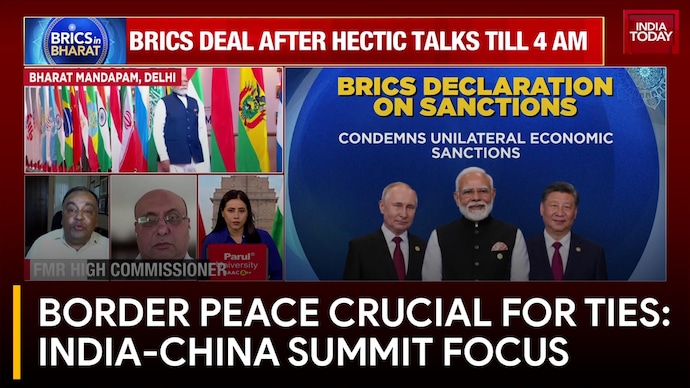
A news broadcast discusses key geopolitical challenges facing India, focusing on the Gulf conflict and the India-China bilateral engagement. The panel highlights the escalating war involving Iran, the blockade of vital energy routes including the Strait of Hormuz and Bab el-Mandeb, and the resulting economic implications such as rising fuel prices despite India recording 7.8% GDP growth in the first quarter. The discussion also covers the high-level meeting between Prime Minister Narendra Modi and Chinese President Xi Jinping. Key issues between New Delhi and Beijing include the long-standing Line of Actual Control border dispute, troop deployments at super high altitudes, and a bilateral trade deficit exceeding 100 billion dollars. The analysis emphasises border peace, confidence-building measures, and India's rapid infrastructure construction across high-altitude frontier areas to maintain deterrence.

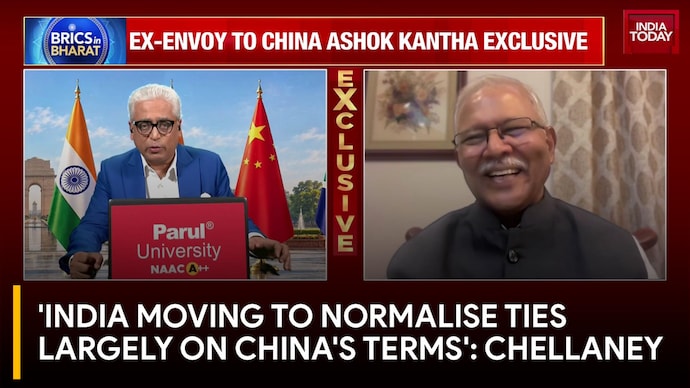
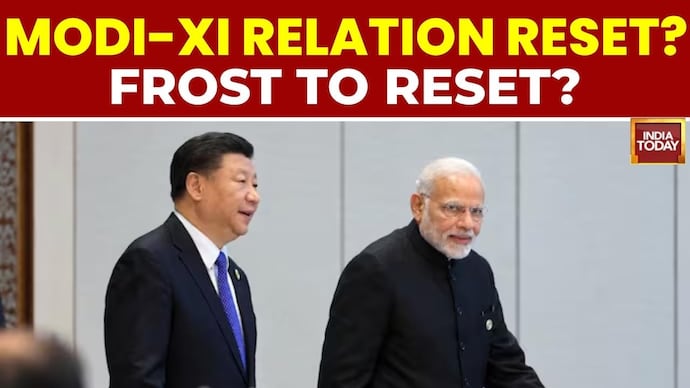
Rajdeep Sardesai Debate: How Will America View The India-China Relationship Reset At BRICS 2026?

A panel of strategic experts debates the state of bilateral relations between India and China following recent high-level engagements. Brahma Chellaney questions the excessive focus on diplomatic handshakes and argues that New Delhi has steadily lost ground, stating, 'India is moving to normalize relations with Beijing largely on China\'s terms.' He highlights the ballooning trade deficit, ongoing Chinese export controls on critical technologies, and the shift from demanding status quo ante to mere peace and tranquility along the Line of Actual Control. Zorawar Daulet Singh contends that sustained contact and detente remain essential for India to safeguard strategic autonomy, manage border friction, and leverage Asia\'s dominant manufacturing powerhouse amidst global fragmentation. Ross Feingold provides perspective from Taiwan on the regional security implications of a potential Sino-Indian rapprochement. The discussion examines whether structural economic asymmetries and unresolved frontier disputes outweigh high-level bilateral summits.

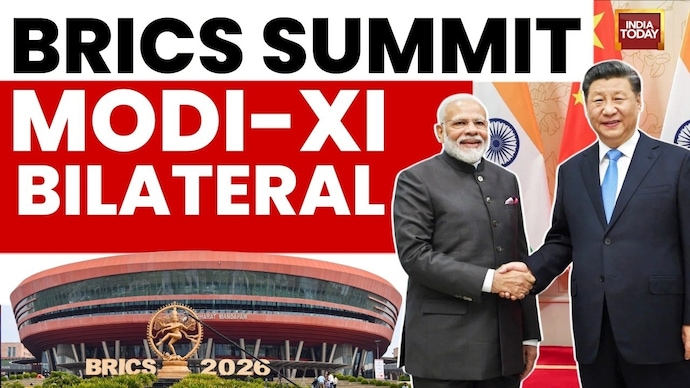
Modi-Xi Bilateral At BRICS 2026 In New Delhi | PM Modi-Xi Jinping Meeting

Prime Minister Narendra Modi and Chinese President Xi Jinping held bilateral talks in New Delhi on the sidelines of the BRICS Summit, marking the Chinese leader's first visit to India in several years. Opening statements from both leaders underscored opportunities for bilateral cooperation following the adoption of the BRICS Delhi Declaration. High-level discussions between the core Indian diplomatic delegation and Chinese counterparts focused on key issues, including peace and tranquility along the Line of Actual Control (LAC) and addressing the bilateral trade deficit. Experts noted that while border delineation and market access remain central to negotiations, both nations recognize the necessity of strategic coexistence and pragmatic collaboration in the Global South.

India-Russia Ties: Focus on Drone Warfare, Tunnel Boring Machines and Aviation Trade

Discussions on India-Russia bilateral cooperation highlight key technological and strategic sectors, ranging from defence to civilian infrastructure. Panelists examine the changing nature of drone warfare, underscoring the necessity for a substantial inventory and future-proof technologies to counter sophisticated air defence systems. Beyond military hardware, bilateral engagement is expanding into civil aviation, railway coach manufacturing, and agricultural trade, including plans to manufacture civil aircraft in India. The strategic significance of tunnel boring machines (TBMs) is also highlighted as a critical dual-use technology. TBMs are vital for developing underground infrastructure and fortifications in high-altitude border regions across Ladakh, Arunachal Pradesh, Sikkim, Uttarakhand, and Himachal Pradesh. Such underground assets protect ammunition, fuel, and vehicles from drone strikes, enabling rapid military mobilisation along the Line of Actual Control and Line of Control.

Xi Jinping's India Visit, Border Security Along LAC & Medog Dam Concerns

Chinese President Xi Jinping's visit to India is being viewed as a significant opportunity to provide a fresh boost to bilateral relations following his last visit in 2019. The upcoming engagements build upon diplomatic progress and recent Special Representative-level discussions aimed at resolving boundary disputes. While bilateral cooperation within multilateral frameworks like BRICS continues on global governance and Global South development, India maintains cautious optimism across trade and investment. Key priorities for India include safeguarding peace and tranquility along the border, sustaining robust military deployment and infrastructure buildup across Ladakh and Arunachal Pradesh post-Galwan, and addressing regional concerns regarding the Medog infrastructure project on the Brahmaputra River to ensure downstream hydrological security.

PM Modi-Xi Jinping Summit, Border Stability & India's $30 Trillion Economic Goal

India and China are heading into a crucial bilateral summit between Prime Minister Narendra Modi and President Xi Jinping, marking their first major summit years after the Mahabalipuram meeting. The dialogue reflects cautious optimism, with a firm approach focused on trust and verification following the 2020 Galwan Valley skirmish. While direct flights have resumed and hotlines have been established, core boundary disputes in Ladakh and Arunachal Pradesh remain sensitive. The discussion highlights that border peace, tranquility, and diplomatic stability are essential to sustaining India's 7.8% economic growth and achieving its target of becoming a 30 trillion dollar economy by 2047. Global cooperation across forums like BRICS, key economic initiatives such as the India-Middle East-Europe Economic Corridor, and robust military readiness demonstrate India's strategy to safeguard national security while maintaining focus on rapid economic development.

BRICS Summit Bilateral, LAC Peace Mechanisms And India China Sticking Points

Ahead of the bilateral meeting on the sidelines of the eighteenth BRICS summit in New Delhi, discussions focus on stabilizing ties through border management and high-level dialogue. Key developments include maintaining peace and tranquility along the Line of Actual Control, establishing military hotlines in the eastern and middle sectors, resuming transborder river data sharing, and facilitating the Kailash Mansarovar Yatra. Negotiations between special representatives are scheduled to continue in twenty twenty-seven to address boundary questions. Despite progress on disengagement at friction points and restored patrolling arrangements, several bilateral challenges persist. These include the unresolved boundary dispute, military trust deficit, trade deficit, access to rare earth minerals and technology, concerns over transborder river infrastructure, and strategic competition in the Indo-Pacific region. Both sides maintain diplomatic and military communication channels to prevent local border incidents from escalating.

Ladakh Hosts Sakasa Wellness Festival: Yoga, Electronic Music And Detox In The Mountains

Ladakh is hosting the Sakasa Festival, a first-of-its-kind wellness event organised at a high altitude along the banks of the Indus River. Combining electronic music, yoga, wellness expert sessions, and local art and culture, the alcohol-free festival caters to people seeking relief and rejuvenation from stressful daily routines. Attendees and performers, including DJ Sheryl, noted a growing trend among the younger generation prioritising health and holistic wellness over conventional alcohol-focused gatherings, paving the way for more detox-focused festivals across the country.

India Backs UN Map Resolution, Reasserts Sovereign Map On J&K & Ladakh

India has backed a United Nations resolution promoting equal area world maps to ensure a fairer representation of world regions, an initiative sought by African nations. However, New Delhi firmly reiterated that its sovereign territory, including Jammu and Kashmir and Ladakh, must be shown strictly as per India's official map. Emphasising that the resolution does not endorse any specific map projection or national boundaries, India stated that any inaccurate or misleading depiction of its territory remains unacceptable and non-negotiable.

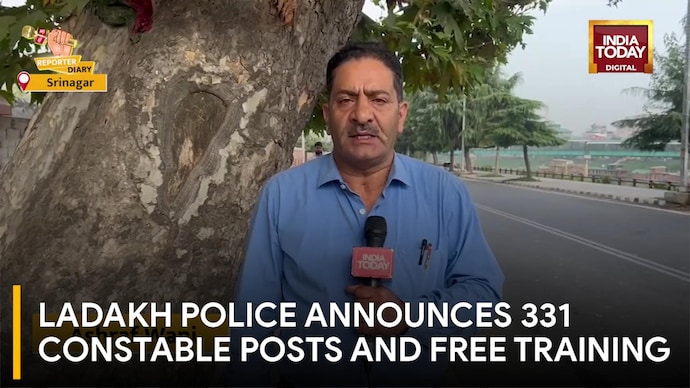
Ladakh Police Announces Constable Recruitment Drive, Free Training And Strict RFID Verification

The government has launched a recruitment drive for 331 constables in the Ladakh Police, accompanied by free physical and written orientation training for local youth. The training will be conducted across districts including Leh, Kargil, Drass, Sham, Nubra, and Changthang, with Leh hosting a 14-day camp at the Astro Turf Stadium in Spituk from 7 to 20 September. Professional drill instructors from the CRPF and other security forces will train aspiring candidates in physical standards like running, push-ups, and long jump. To ensure complete transparency, the selection process will use RFID-enabled sensor beeps and biometric fingerprint scanning to prevent impersonation and fraud.

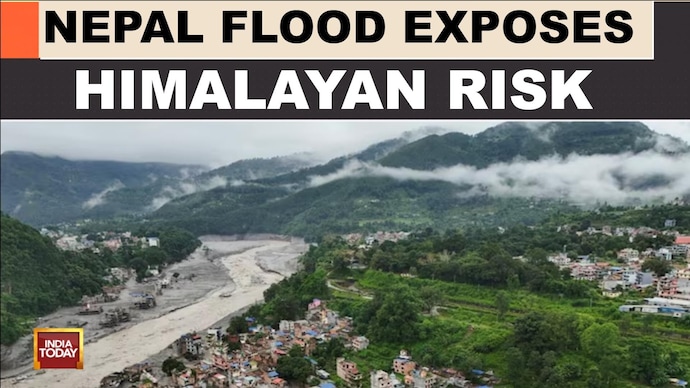
Nepal Glacial Flood Exposes Himalayan Risks: India Tracks 195 Vulnerable Glacier Lakes

A devastating flood triggered by a glacial collapse in Nepal's Rasuwa region near the Nepal-Tibet border has highlighted major risks of cascading Himalayan hazards. In response to rising threat levels from Glacial Lake Outburst Floods, the National Disaster Management Authority has identified 195 vulnerable glacier lakes across Himachal Pradesh, Sikkim, Ladakh, Arunachal Pradesh, Jammu and Kashmir, and Uttarakhand. India relies on multiple disaster monitoring systems, including Indian Space Research Organisation satellites for remote sensing and terrain mapping, Met Department weather models providing river sub-basin quantitative precipitation forecasts, and Central Water Commission river gauges offering up to 24-hour advance flood warnings. The National Remote Sensing Centre integrates geospatial data into a national emergency database to provide hazard maps and early warnings. However, the Nepal disaster underscores gaps in monitoring high-altitude ice collapses, where one failure sets off a chain of catastrophic events across the fragile Himalayan ecosystem.

India Rejects Indus Ruling; Ladakh Diverts Glacier Water; Pakistan's PM Crops SCO Photo

At the Shanghai Cooperation Organisation summit in Bishkek, Prime Minister Narendra Modi outlined regional priorities focusing on security, connectivity, and opportunity, demanding zero tolerance for cross-border terrorism. Following state-sponsored attacks, including the Pahalgam terror attack, India held the Indus Waters Treaty in abeyance and categorically rejected a ruling by the Court of Arbitration in The Hague regarding hydroelectric projects, citing lack of jurisdiction. Meanwhile, Pakistan Prime Minister Shehbaz Sharif faced scrutiny for sharing an edited SCO group photograph that cropped out Modi and Iranian President Masoud Pezeshkian, before re-uploading the original. Footage of Modi interacting with Russian President Vladimir Putin and Chinese President Xi Jinping gained international attention. On the ground in Ladakh, local authorities created two diversions at Stok Nala using JCB machines, redirecting approximately 90 million litres of glacier water daily into the Igoo-Phay Canal to irrigate over 1,000 acres across 12 villages. In domestic developments, ABVP candidate Ankit Bidhan secured victory in the Panjab University student union elections for the president's post.

India, China Hold 25th SR Talks in Beijing as NSA Doval Meets Wang Yi Ahead of BRICS Summit

India and China have held the twenty-fifth round of Special Representative talks in Beijing, led by National Security Advisor Ajit Doval and Chinese Foreign Minister Wang Yi. The high-level dialogue comes ahead of the BRICS Summit scheduled for September 12 and 13 in India, where Prime Minister Narendra Modi and Chinese President Xi Jinping are expected to hold a sideline meeting. The discussions focus on normalizing bilateral ties and resolving long-standing boundary issues along the Line of Actual Control, particularly in Eastern Ladakh and Arunachal Pradesh. During his visit, NSA Doval also met the Vice President of China, with the Chinese side emphasizing a long-term perspective to rebuild relations strained since the 2020 Galwan clash.

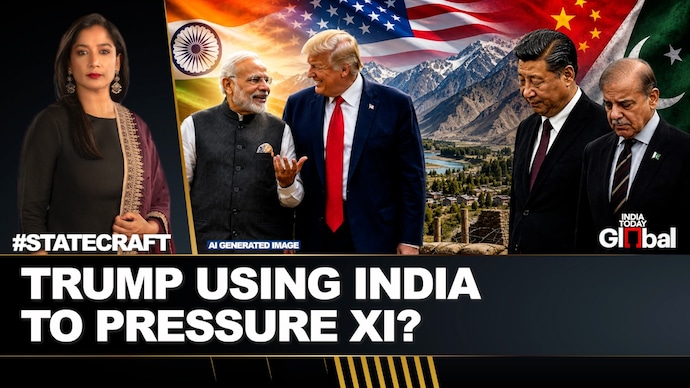
Is Sergio Gor's Ladakh visit Washington's message to China on India ties?

Union Home Minister Amit Shah has stepped up criticism of Congress over its decision to sing only the first two stanzas of Vande Mataram, prompting the opposition party to accuse the BJP of diverting attention from key issues. Meanwhile, US Ambassador to India Sergio Gor has visited Jammu and Kashmir and Ladakh, becoming the first US ambassador in over six years to visit J&K and the first to travel to Ladakh. The visit comes amid India-China tensions, a recent troop withdrawal and growing US-China competition across South and Central Asia. Gor's Central Asian background also aligns with Washington's broader regional economic and strategic outreach.