Vietnamese crab exporter

Topic

Advertisement
TOPIC

Lebanon

Lebanon, located on the eastern shore of the Mediterranean Sea, is a small yet historically significant country in the Middle East. Bordered by Syria to the north and east, and Israel to the south, Lebanon covers an area of about 10,452 square kilometers. Beirut, its capital and largest city, has long been a hub of culture, finance, and education.

Lebanon is known for its diverse population, comprising various religious and ethnic groups, including Muslims (Sunni and Shia), Christians (Maronite, Greek Orthodox, and others), and Druze. This religious diversity has influenced the country's complex political structure, where power is shared among its major sects under a system known as confessionalism.

Lebanon has a rich cultural heritage dating back to ancient civilizations, including the Phoenicians, who were famed for their seafaring and trade. Roman, Byzantine, and Ottoman influences have also shaped the country's history.

The country has experienced significant political turmoil, notably the 15-year civil war (1975-1990) and ongoing regional instability. Despite this, Lebanon has remained resilient, with a reputation for a vibrant arts scene, world-class cuisine, and natural beauty, from its Mediterranean beaches to the snow-capped mountains.

  • ALL
  • STORIES
  • VIDEOS

STORIES

Brics slams US, backs Iran, calls out Israel. Has India shifted stance?

The joint declaration of the Brics Delhi Summit has criticised the US over unilateral sanctions without naming it. It has backed Iran's WTO entry, and slammed Israel while dedicating five paras to Gaza. Is this a signal of India leaning away from the US, or is New Delhi keeping another diplomatic option open?

Iran fires at Kuwait as Gaza and Lebanon tensions widen

Iran targeted Kuwait as violence and military actions intensified across Gaza, Lebanon and Israel. The latest flare-up underscored a widening regional crisis marked by civilian deaths, displacement fears and cross-border retaliation.

Qatar seeks Iran war exit as Hormuz tanker attack heightens tensions

Qatar and other regional powers pushed for an off-ramp in the Iran crisis as a tanker attack in the Strait of Hormuz heightened alarm. The flare-up, alongside Israeli strikes in Gaza and Lebanon and Iran's sanctions row with Washington, underscored a region under mounting strain.

Load More

VIDEOS

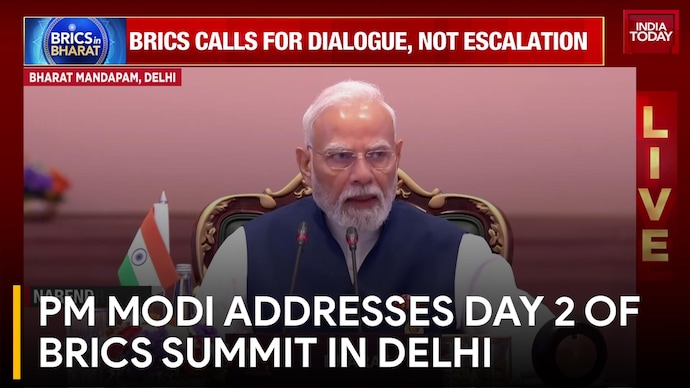
PM Modi Addresses Day 2 Of BRICS Summit In Delhi, Calls For Supply Chains And Conflict Resolution

Visuals from Bharat Mandapam in New Delhi show the second and concluding day of the 18th BRICS Summit under India's presidency. During his address, Prime Minister Narendra Modi highlighted that global conflicts have far-reaching consequences and are not restricted to specific regions, urging action to limit their fallout. Emphasising that the world is undergoing a tense phase alongside global challenges like pandemics and climate change, he stressed the need for dependable supply chains, noting how crises like the West Asia conflict impact uninvolved nations. Outlining India's focus on four key pillars—resilience, innovation, cooperation, and sustainability—PM Modi stated that partner support has helped turn a shared vision into a win-win collaboration. A consensus-based joint declaration is also expected on the final day of the summit, addressing regional conflicts including the situation involving Israel in the context of Lebanon.

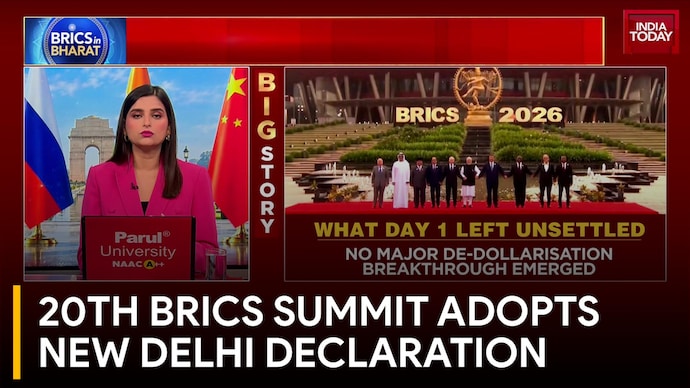
BRICS Adopts Delhi Declaration, Targets Unilateral Tariffs And Backs UN Security Council Reforms

The 20th BRICS Summit in New Delhi concluded with member nations unanimously adopting the New Delhi Declaration. The declaration highlights conflict prevention, peaceful resolution of international disputes, respect for international law, and strengthened multilateralism. On international trade, the grouping expressed concern over unilateral tariff barriers and non-tariff measures, urging adherence to World Trade Organization rules. The declaration condemned terrorism, opposing double standards in counter-terror efforts, and called on Israeli forces to withdraw from Lebanese territories while urging restraint in West Asia. Discussions also focused on easing cross-border payments using local currencies, though no single BRICS currency was announced. The summit supported expanded representation for developing nations in global governance and called for reforms in the United Nations Security Council and international financial institutions. Additionally, maritime security was addressed with proposals to enhance safety for seafarers and safeguard freedom of navigation.

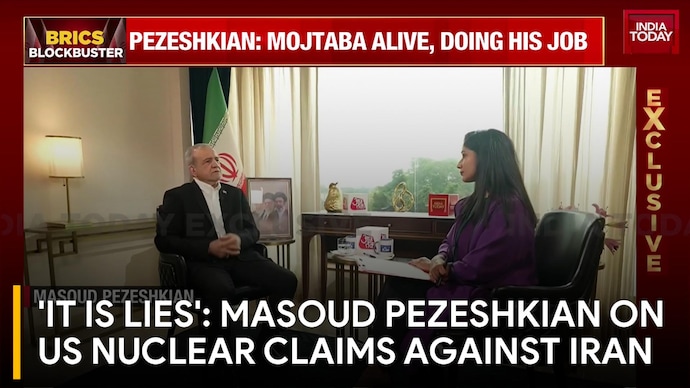
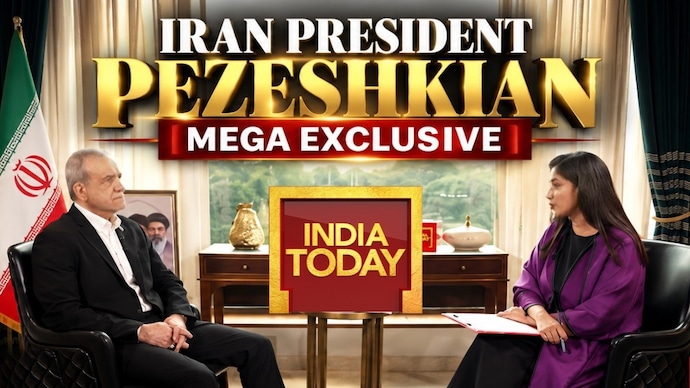
'Lies': Pezeshkian Rejects Trump's Iran Nuclear Weapon Claims, Highlights Israel's Nuclear Ambitions

In an interview with India Today, Iranian President Masoud Pezeshkian rejected US allegations regarding Iran's nuclear programme, stating, "If we were, uh, seeking nuclear weapons, we wouldn't have become a member of NPT." He affirmed that Iran works within international principles under regular monitoring and reiterated that the country's leadership has repeatedly stated Iran is not seeking nuclear weapons. Pezeshkian questioned international inaction regarding Israel's nuclear arsenal and condemned military actions in Gaza and Lebanon, highlighting civilian casualties and the blockade of essential supplies.

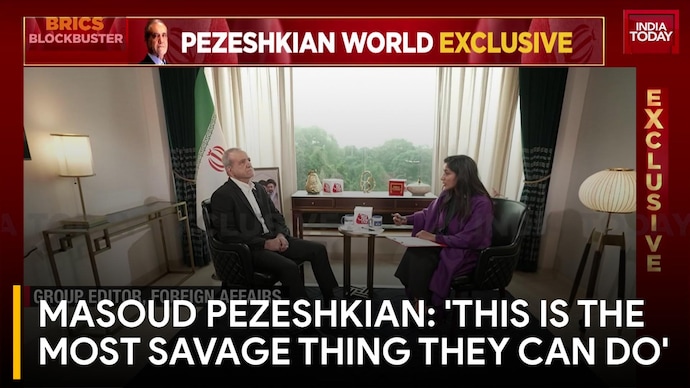
'Why Are They Fighting Us': Iran President Pezeshkian Says US Failed To 'Break' Iran, Its Leaders

In an interview with India Today, Iranian President Masoud Pezeshkian assessed Iran's standing six months into confrontation with the United States. He stated that military actions and aggression from Washington have unified the Iranian population and the broader region, remarking, 'what the US did, it made us more united.' Pezeshkian stated that the US envisioned conquering Iran within twenty-four hours to establish a puppet government, similar to its actions in other nations, but failed to break societal resistance. He explained that after military and infrastructure attacks were thwarted, the US resorted to economic blockades affecting food and medical supplies, calling these actions inhumane. He rejected Western allegations regarding Iran seeking weapons of mass destruction, questioning Western human rights claims amid ongoing conflicts in Gaza and Lebanon while civilian trade and essential supplies remain under sanction.

Iran President Pezeshkian Exclusive Interview | Trump, Hormuz, India Ties, Mojtaba Khamenei & BRICS

During his visit to India for the BRICS summit, Iranian President Dr. Masoud Pezeshkian addressed key geopolitical developments, bilateral relations, and regional connectivity in an exclusive interaction. Pezeshkian highlighted deep-rooted cultural ties between Iran and India while emphasizing expanded cooperation on Chabahar Port to strengthen regional trade networks. He outlined the role of the BRICS bloc in challenging unilateral sanctions, promoting a multipolar economic order, and reducing reliance on the US dollar. Addressing tensions involving the United States and Israel, Pezeshkian stated that Iran is defending itself against aggression, accusing foreign entities of state terrorism, striking regional infrastructure, and enforcing economic blockades. On nuclear policy, Pezeshkian denied allegations regarding nuclear weapons, reaffirmed Iran's compliance with the Non-Proliferation Treaty (NPT), and criticized international double standards regarding Israel's nuclear program. Furthermore, he noted diplomatic engagements with regional partners like Oman concerning maritime security in the Strait of Hormuz and asserted that external pressures will fail to weaken the nation.

'Thank God Supreme Leader Is Alive': Iran's Pezeshkian On Rumours Regarding Mojtaba Khamenei

An interviewee addressed widespread speculation regarding the supreme leader, confirming that the leader remains alive and continues his duties. The guest criticized targeted assassinations of commanders, scientists, and civilians across Syria, Lebanon, Gaza, Iraq, Qatar, and Iran. The speaker condemned these actions by the United States and Israel as state terrorism, stating that entire families, buildings, bridges, and factories are destroyed under the pretext of counter-terrorism operations.

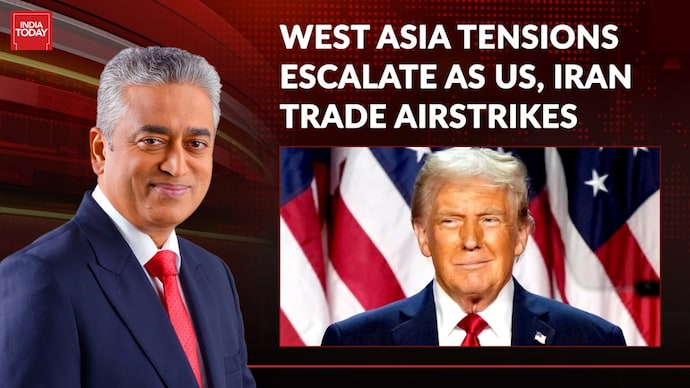
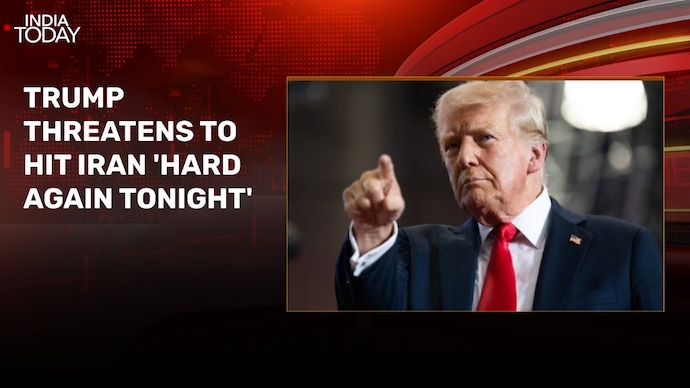
Is Trump's West Asia ceasefire dead and buried?

The big talking point of this episode of News Today is the escalation of tension in West Asia and Donald Trump's fresh move to "reinstate" a blockade on Iran in the Strait of Hormuz and charge ships for safe passage.

US-Iran hold historic talks on nuclear programme, Lebanon ceasefire in Geneva

Historic high-level negotiations between the United States and Iran have commenced, marking a shift in diplomatic relations aimed at transforming the Middle East. The discussions focus on ending the Iranian nuclear programme, ensuring the free flow of oil and gas through the Strait of Hormuz, and establishing long-term regional stability. Officials highlighted that these technical negotiations are designed to resolve decades of unfriendly relations and prevent further regional instability. The diplomatic breakthrough was facilitated by mediation and statesmanship from leadership in Pakistan and Qatar. The talks also address the ongoing military operations in Lebanon, with officials noting progress toward a comprehensive regional ceasefire. The primary objective is to move beyond past conflicts and foster peace and prosperity by addressing core disagreements through structured diplomacy. Delegations from the involved nations will continue technical negotiations to finalise agreements that support global economic security and sustainable peace across the region.

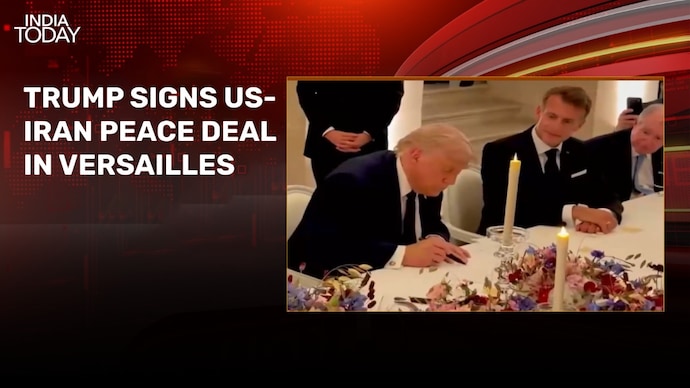
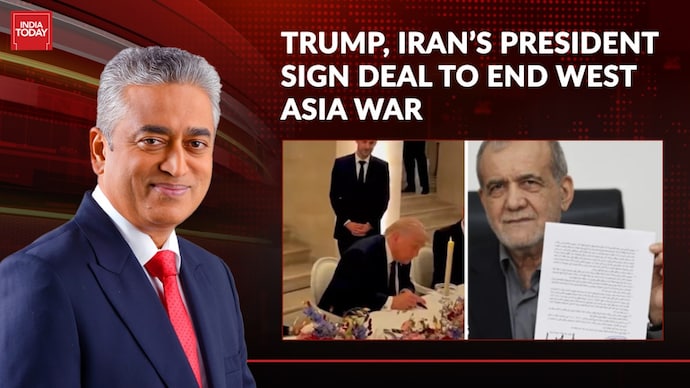
US, Iran Presidents sign draft peace deal to end West Asia conflict

A draft peace deal has been signed between the United States President and the Iranian President to end the conflict in West Asia. The agreement was signed digitally, with the United States President also signing a hard copy at the Palace of Versailles in France, alongside the French President.