Your ITR could be wrong even with Form 16: 7 smart checks to avoid tax notices
Think your Form 16 is all you need to file your ITR? Think again. A few missed details could delay your refund, or even land you a tax notice.

The New Tax Regime offers lower income tax rates with fewer exemptions and deductions. It aims to simplify tax filing and provide taxpayers with an easier, cleaner structure. The regime mainly benefits those who do not claim multiple deductions under the old system. Budget announcements often bring changes to slabs, rebates or compliance rules. This topic page tracks updates, expert views and what the New Tax Regime means for taxpayers.
Think your Form 16 is all you need to file your ITR? Think again. A few missed details could delay your refund, or even land you a tax notice.
As the ITR filing season gathers pace, our 'KNOW YOUR TAXES' series explains the tax rules that matter most. In this edition, we clear up one of the biggest misconceptions doing the rounds, whether you can claim the new Rs 200 per meal voucher tax benefit while filing your ITR this year.
As taxpayers file their ITRs, understanding home loan tax rules has become more important than ever. In this edition of 'KNOW YOUR TAX', we explain what you can still claim on a rented property under the new tax regime.
The Income Tax Department has issued seven golden rules for filing ITRs for AY 2026-27. The checklist urges early preparation, careful verification and timely e-verification to avoid delays and lost benefits.
Before you click 'Submit' on your ITR, make sure you've chosen the right tax regime. A few minutes spent comparing the old and new regimes could translate into substantial tax savings.
With ITR filing in full swing, our 'KNOW YOUR TAX' series helps you understand the tax benefits that still matter. This edition explains how an employer's NPS contribution can help salaried employees save tax while building a retirement corpus.
As the ITR filing season gathers pace, our ‘KNOW YOUR TAX’ series breaks down key tax benefits. In the first part, we explain the standard deduction and how it works under the old and new tax regimes.
The old tax regime may no longer be the default option, but it still offers several powerful tax-saving benefits. Could these six deductions help lower your tax bill more than the new regime?
Old or new tax regime? It's a choice many taxpayers revisit every year. But before making the switch, it's important to know how often you're actually allowed to change your tax regime.
Since Form 16 forms the foundation of income reporting for salaried taxpayers, spending a few minutes verifying the information can save you a lot of trouble later.
Think the new tax regime leaves no room for tax savings? If you earn Rs 20 lakh a year, you may be surprised to learn that several tax-friendly benefits are still available.
The new tax regime doesn't necessarily close every tax-saving opportunity. Although most popular deductions are no longer available, a few vital benefits are still in place that can help lower your taxable income.
A salary hike or bonus often feels like a reward, but it also brings a tough choice. Should you invest it to grow your wealth or put it towards repaying your home loan faster? Let's find out here.
If you have recently received an email from your office’s HR department on salary reimbursements, it may be worth a closer look. It could influence how part of your salary is taxed.
The new tax regime is often seen as simpler but with fewer perks. Yet, some benefits continue quietly in the background. One of them is car leasing. Could this be an easy way to save tax? Let's have a look.
If you’ve moved to the new income tax regime, the proposed updates to the old one might be worth a second look. Here’s what the latest draft changes could mean for your tax savings.
For salaried workers who have moved to the new tax regime, tax saving can feel limited. This has led many to question if there are still practical ways to ease their tax burden. Let's have a look.
While sweeping reforms are not on the table this year, several focused adjustments are being closely watched, particularly those that could influence take-home pay, exemptions, and the attractiveness of the new tax regime.
As Budget 2026 approaches, middle-income taxpayers are watching closely for signs of relief. With rising costs and inflation pressures, the big question is whether the government will tweak tax slabs to ease the burden.
With Budget 2026 set to be unveiled in just a few hours, the middle class is hoping for measures that ease daily pressures, from job stability and inflation to housing and healthcare. So what is it really asking the government to deliver?
On this Special Report, Managing Editor Siddharth Zarabi leads a panel discussion on the expectations and market sentiments surrounding the Union Budget. Analyzing the current economic climate, Zarabi emphasizes the need for stability, stating, 'Don't surprise anyone negatively, continue down the path of fiscal consolidation and solid factual credible numbers.' The discussion covers the 'Goldilocks movement' of the Indian economy, the shift toward the new tax regime, and the limited scope for indirect tax tinkering. The panel, including Chetan Bhutani and Sakshi Batra, explores capital expenditure in infrastructure, the potential for a 10-25% hike in defense allocation following 'Operation Sindoor', and the necessity of triggering 'animal spirits' in private investment. Dr. Baru highlights that while fiscal stabilization is on track, domestic demand and private capital formation remain stagnant. The program provides a comprehensive look at how the finance ministry might balance non-tax revenues with high-priority spending in a shifting global world order.
Here’s a breakdown of how prices are changing under the new tax regime.
The Union Cabinet is expected to clear the new Income Tax Bill tomorrow, paving the way for its introduction in the Lok Sabha
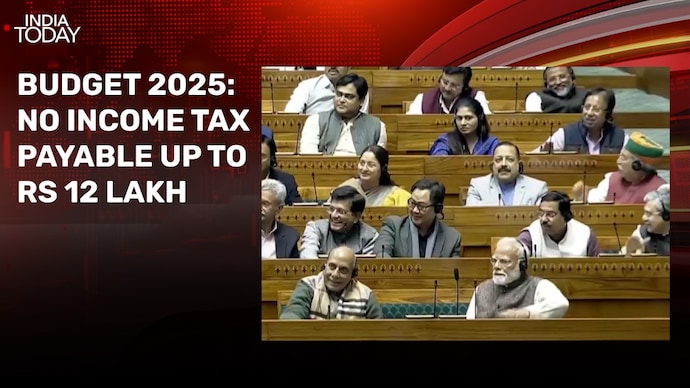
In a big relief for the middle-class, Finance Minister Nirmala Sitharaman announced that taxpayers with salaries up to Rs 12 lakh would not be required to pay tax in the new tax regime.
Finance Minister Nirmala Sitharaman announced major income tax relief for the middle class in Budget 2025, with no tax payable on annual income up to Rs 12 lakh under the new regime.
Finance Minister Nirmala Sitharaman, in her budget speech, announced that under the new tax regime, taxpayers with salaries up to Rs12 lakh will be exempt from income tax.
Under the new tax regime, individuals earning up to Rs 12 lakh will be exempt from income tax. Additionally, salaried taxpayers will benefit from a standard deduction of Rs 75,000.
Finance Minister Nirmala Sitharaman is expected to announce income tax relief in the Union Budget 2025, which is slated for February 1.
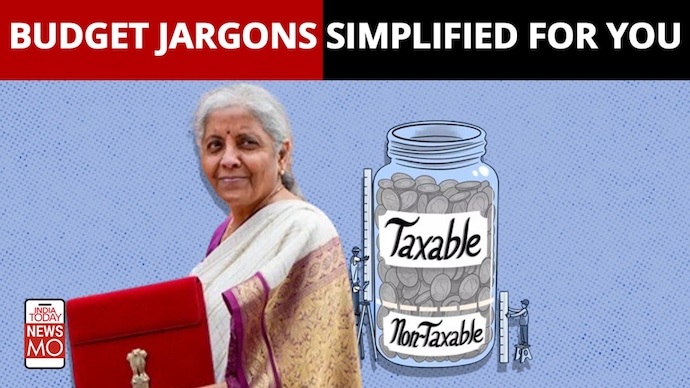
The budget is filled with jargon that you may need help understanding. For instance - standard deductions.
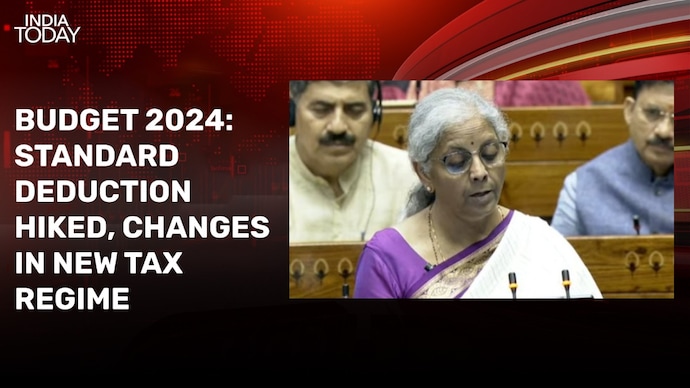
Through Budget 2024 announcement on Tuesday, the government provided relief to the taxpayer. Finance Minister Nirmala Sitharaman announced significant changes to the new tax regime.
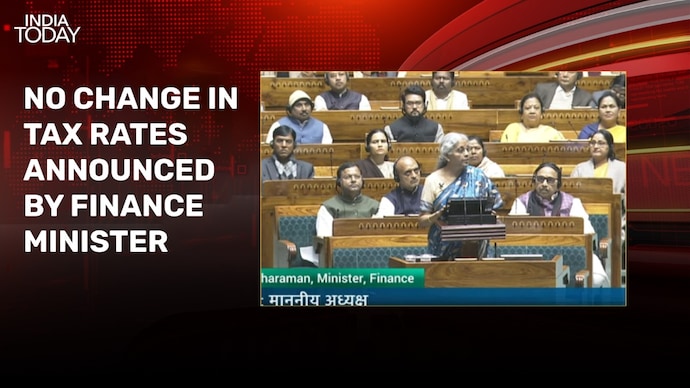
Union Finance Minister Nirmala Sitharaman on Thursday announced no change in the Income Tax slabs, giving a big relief to the taxpayers in the country. "There is no proposed change in the taxation rates," Sitharaman said in her marathon budget speech.
From a new income tax regime, to no LTCG benefit on debt mutual funds, India will see nine major direct tax changes from April 1.
Union Finance Minister Nirmala Sitharaman today announced a major tax relief for the salaried and middle class and rebate till Rs 7 lakh yearly income under the new tax regime.
Finance Minister Nirmala Sitharaman announced a new tax regime under which she proposed to raise the tax exemption limit to Rs 3 lakh.
Finance Minister Nirmala Sitharaman on Saturday announced cuts in the income tax while presenting the Union Budget 2020 in the Parliament.