Vietnamese crab exporter

Topic

Advertisement
TOPIC

Operation Epic Fury

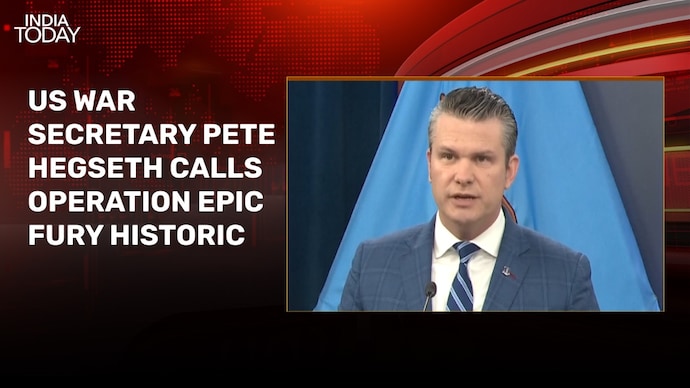
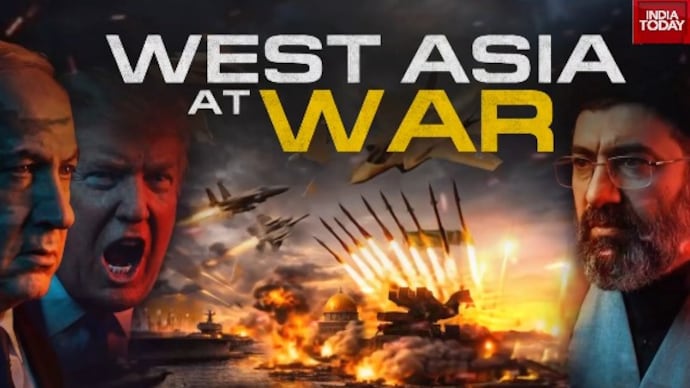
The United States military formally named a significant series of combat operations against Iran on February 28, 2026, Operation Epic Fury.

As part of a broader escalation by the United States and Israel targeting Iranian military and strategic facilities, the Pentagon dubbed the coordinated strikes "Operation Epic Fury."

Several Iranian targets, including military command centres, missile installations, and other important sites, were targeted by air and missile strikes throughout the operation.

While the United States used the code name Epic Fury to allude to their own campaign, Israel called its portion of the operations "Roar of the Lion." These steps came after weeks of escalating hostilities and fruitless diplomatic attempts to resolve Iran's nuclear and missile programs.

With allegations of Iranian retaliation missile assaults on US facilities in the Gulf and increased military alerts in nations like Bahrain and the United Arab Emirates, the strikes have caused alarm throughout the Middle East.

The situation is changing quickly, and there have been reports of emergency warnings, defensive measures, and closures of both military and civilian airspace. 

Although US authorities acknowledged the possibility of a wider regional confrontation, they said that Epic Fury was designed to disable critical assets and discourage future threats. The situation is uncertain in the immediate future because Iran's leaders have pledged a strong response. 

With major geopolitical ramifications, Operation Epic Fury is among the most significant US-Israel military operations in the Middle East in recent memory.

  • ALL
  • STORIES
  • VIDEOS

STORIES

Trump wanted to hit Iran harder. A US commander's advice changed his mind

With most designated targets already exhausted, US Central Command chief Admiral Brad Cooper advised Trump that further strikes had limited military value. A dwindling interceptor stockpile and renewed diplomatic efforts also influenced the US decision to pause attacks around the Strait of Hormuz.

Operation Epic Fury 2.0 soon? US planning big strikes on Iran after China visit

However, Donald Trump faces a difficult political calculation ahead of the mid-term polls in November. The war is increasingly unpopular, and its financial cost is being felt by ordinary Americans. Allies have been pressing Trump to reach a compromise that would prompt Iran to reopen the Strait of Hormuz and allow him to declare victory.

Trump counts India's bruises, but hides Iran-delivered wounds

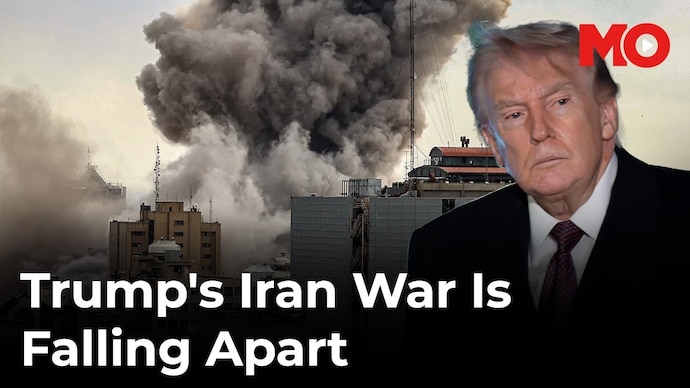
Trump still counts every jet he claims India lost during Operation Sindoor, but appears to have forgotten the aircraft, THAAD systems and soldiers America lost in the Iran war. The world's loudest commentator on foreign wars is silent when the wreckage carries an American flag.

Load More

VIDEOS

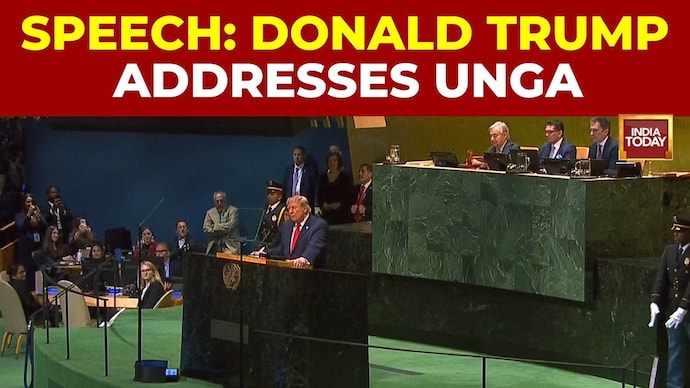
'It Has Been My Great Honor to Settle Eight Wars': Donald Trump

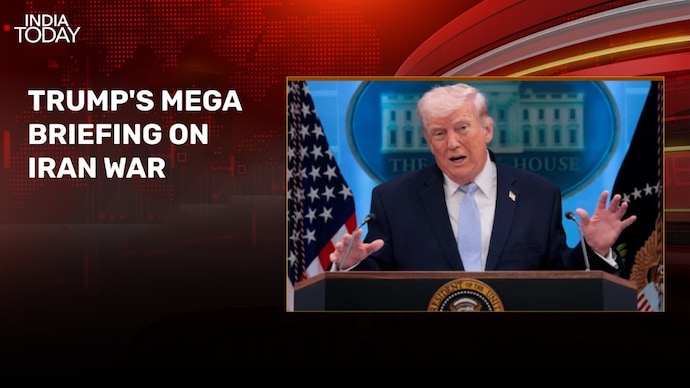
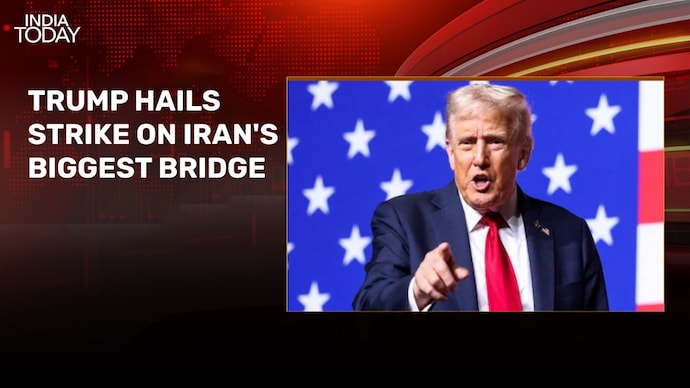
Addressing the United Nations General Assembly and marking the 250th anniversary of American independence, United States President Donald Trump detailed his administration's domestic and international policy agenda. Domestically, Trump highlighted United States economic metrics, poverty reduction, and border security enforcement. In foreign affairs, Trump reiterated that Iran will not be permitted to obtain a nuclear weapon, referencing military strikes on Iranian nuclear sites, the destruction of Iranian naval vessels, and United States naval escorts in the Strait of Hormuz. Trump reviewed the cessation of hostilities in Gaza, the release of hostages, and the formation of a multilateral Board of Peace backed by the United Nations Security Council. He outlined diplomatic mediation across international disputes, including India and Pakistan, Cambodia and Thailand, Kosovo and Serbia, the Democratic Republic of the Congo and Rwanda, Armenia and Azerbaijan, as well as ongoing negotiations between Russia and Ukraine. Additionally, Trump detailed United States military operations in Venezuela, the apprehension of Nicolás Maduro, and an agreement involving 65 billion barrels of oil. He announced an accord with Denmark regarding Greenland to construct two military bases for Arctic defense. On technological policy, Trump stated that the United States government will prioritize super intelligence over traditional artificial intelligence terminology. The address concluded with calls for United Nations structural reforms, spending reductions, opposition to international carbon taxation, and the rejection of International Criminal Court jurisdiction.

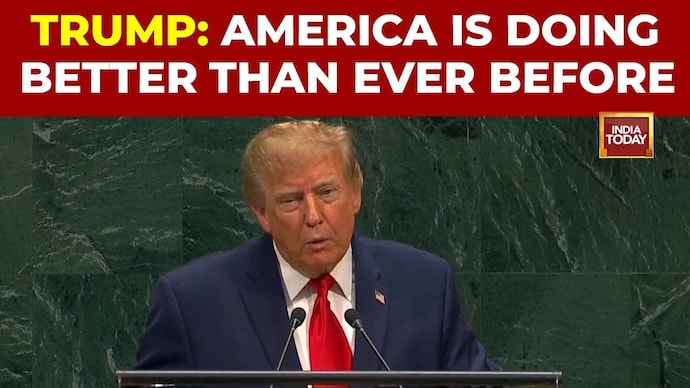
Donald Trump: 'While Others Have Spoken of Peace, I Have Made Peace'

Addressing global delegates, US President Donald Trump stated that the United States is stronger than ever as the nation marks 250 years of independence. Trump highlighted domestic economic achievements, noting the creation of over one million private sector jobs, record low poverty rates, and significant tax cuts. Turning to security, he asserted that border security has reached historic highs and violent crime has plummeted across major American cities. On foreign policy, Trump detailed decisive military measures taken against Iran, including Operation Midnight Hammer and Operation Epic Fury, which targeted and dismantled key military and nuclear infrastructure. Declaring that 'America is back', Trump emphasised his administration's commitment to confronting international threats directly, settling long-standing geopolitical challenges, and fostering global stability and economic strength through decisive leadership.

Donald still dilly-dallies on deadlines: Where is Iran war headed?

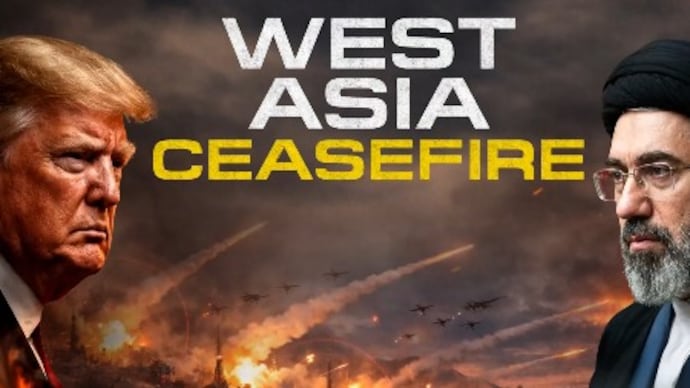
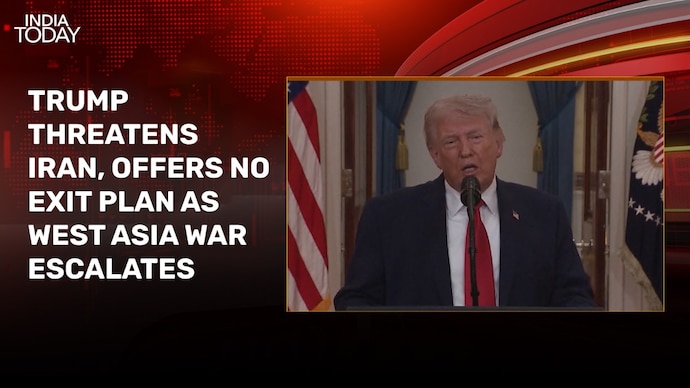
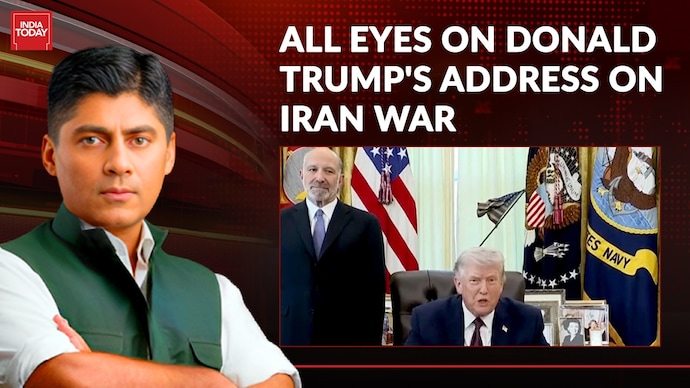
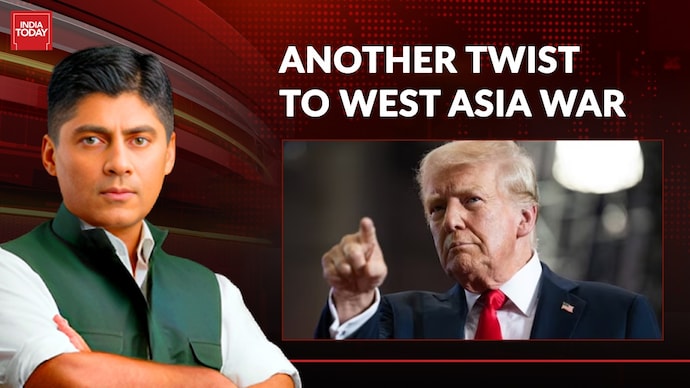
US President Donald Trump's address on the escalating West Asia conflict offered no clarity on an exit strategy, instead repeating familiar rhetoric and threats. Trump claimed US forces are close to completing their mission in Tehran and insisted America does not depend on the Strait of Hormuz.