2016 surgical strikes set new benchmark in India's anti-terror policy: PM
In his Mann Ki Baat programme, PM Modi said the 2016 surgical strikes marked a decisive turn in India’s response to terrorism.

The Indian armed forces launched "Operation Sindoor" on May 7, 2025, hitting nine sites linked to terror groups in Pakistan and Pakistan Occupied Kashmir. The strikes came two weeks after the Pahalgam terror attack, in which 26 people were killed..
The operation was announced by the Indian Army at around 2 am on May 7 with a social media post: "Justice is served."
The initial phase of the operation focused on dismantling terrorist infrastructure linked to Jaish-e-Mohammed (JeM), Lashkar-e-Taiba (LeT), and Hizbul Mujahideen, from where attacks against India have been planned and directed.
In the latter phase of Operation Sindoor, Indian Armed Forces launched strikes on Pakistani military infrastructure, including air bases, after attemps by the Pakistan military to target Indian installations.
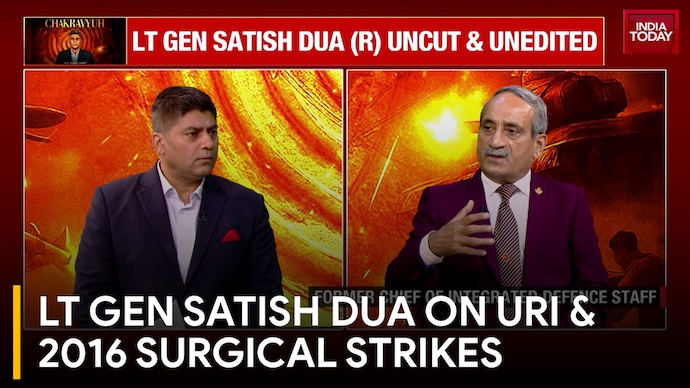
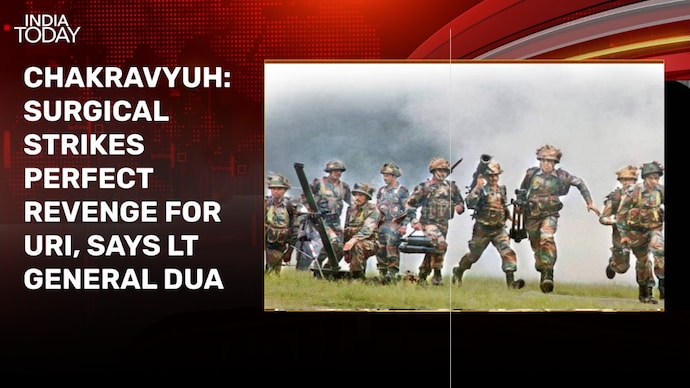
In an interview with India Today, former Chinar Corps Commander Lieutenant General Satish Dua detailed the operational planning, strategic doctrine, and tactical execution of the 2016 cross-LoC surgical strikes following the Uri terror attack. Recalling the loss of 18 soldiers at Uri, Dua revealed that then Defence Minister Manohar Parrikar authorized the retaliatory mission during operational briefings in Srinagar. Indian Army Special Forces crossed the Line of Control to strike multiple terrorist launch pads simultaneously north and south of the Pir Panjal range at depths of four to five kilometers from stand-off positions. Intelligence assessments indicated between 40 and 60 terrorists were neutralized, while Indian forces suffered zero casualties. Dua emphasized that the operation combined tactical military action with diplomatic maneuvering at the United Nations General Assembly, establishing a precedent of proactive deterrence below the nuclear threshold that shaped subsequent responses, including the Balakot airstrikes.
In an interview on the Chakra View podcast with Gaurav, former Chinar Corps Commander Lieutenant General Satish Dua detailed the operational sequence of the 2016 Uri terror attack and India's subsequent cross-Line of Control surgical strikes.
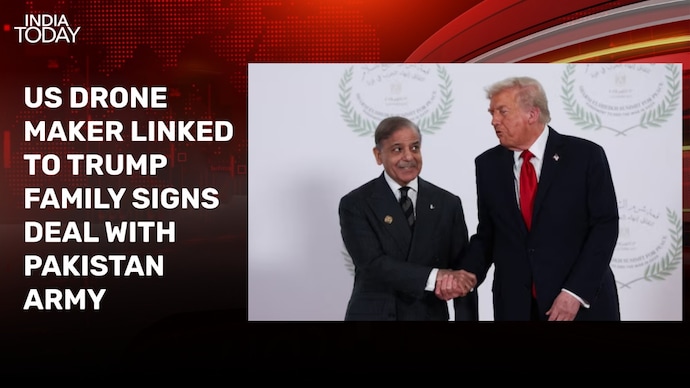
A US drone maker linked to Trump's son has signed an MoU with the Pakistan Army covering UAVs, possible local manufacturing and technology cooperation. The move has sharpened concerns over technology transfers, reverse engineering and India's push for defence self-reliance.
On the occasion of Prime Minister Narendra Modi's 76th birthday, Union Minister for Parliamentary Affairs and Minority Affairs Kiren Rijiju reflected on Modi's leadership style, work ethic, and national security governance.
In an interview with India Today, Bharatiya Janata Party National General Secretary and former Union Minister Smriti Irani reflected on Prime Minister Narendra Modi's 25 years of public service in governance. Discussing his leadership and policy initiatives, she highlighted key achievements such as the Pradhan Mantri Jan Dhan Yojana, Mission Mangalam, Ujjwala Yojana, and Vaccine Maitri during the COVID-19 pandemic. Irani emphasized Modi's commitment to women's empowerment, pointing out the landmark 33% parliamentary and legislative reservation for women. She remarked, "The greatest strength, what I perceive it to be of the Prime Minister is that he's so focused on achieving national goals," noting his work ethic centered around Seva, Sambad, and Samanvaya, and his determination in steering the country toward Viksit Bharat by 2047.
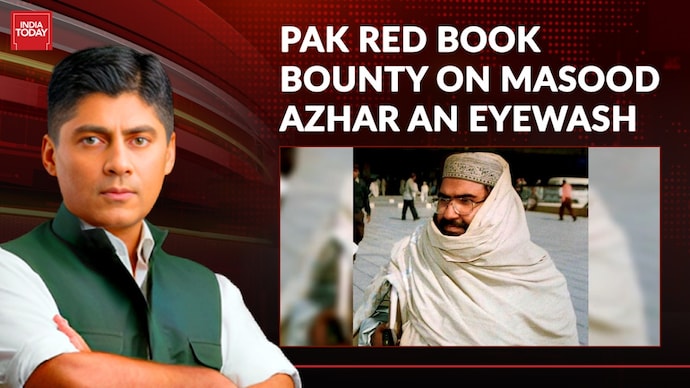
Pakistan's Federal Investigation Agency has updated its Red Book of most wanted terrorists, placing a bounty of seventy lakh Pakistani rupees on Jaish-e-Mohammed founder and UN-designated terrorist Masood Azhar ahead of the Financial Action Task Force plenary in Paris.
Speaking to India Today, former Indian Ambassador to China Ashok Kantha analyzed the state of bilateral relations following official discussions and statements. He dismissed notions of a breakthrough, stating, "I will not characterize it as a new dawn in India-China relations or a reset of relations." Kantha highlighted key differences in the diplomatic readouts from New Delhi and Beijing, noting that India treats peace and tranquility at the border as an essential prerequisite for normalization, whereas China seeks to advance relations on parallel tracks. He pointed out unresolved operational realities on the ground, such as reports of Chinese transgressions in Arunachal Pradesh and an absence of de-escalation. Furthermore, Kantha cited structural hurdles, including widening trade imbalances, Chinese decrees restricting technology transfers, China-Pakistan battlefield coordination during Operation Sindoor in May 2025, and unilateral hydropower dam construction in seismically active Tibet.
In an interview with India Today, former Indian Ambassador to China Ashok Kantha analyzed the state of India-China relations following the meeting between Prime Minister Narendra Modi and President Xi Jinping on the margins of the BRICS summit in New Delhi. Kantha characterized the diplomatic interaction as an incremental and calibrated process, stating, "we cannot rush into any kind of reset in relations." He emphasized that any continued progress toward normalization remains dependent on maintaining peace and tranquility along the border areas. Kantha highlighted critical structural issues between both nations, including trade deficits, terms of economic engagement, Chinese support to Pakistan during Operation Sindoor, and the mega hydropower project at Medog in Tibet. He noted that summit diplomacy alone cannot serve as a panacea, asserting that India must approach Beijing in a realistic and hard-headed manner while addressing core bilateral disputes through perseverance.
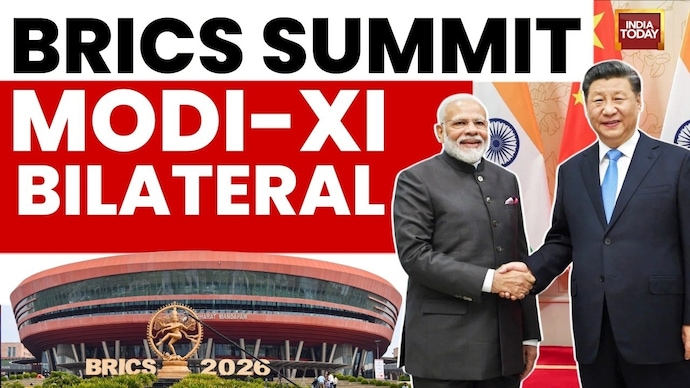
Prime Minister Narendra Modi and Chinese President Xi Jinping held bilateral talks in New Delhi on the sidelines of the BRICS Summit, marking the Chinese leader's first visit to India in several years. Opening statements from both leaders underscored opportunities for bilateral cooperation following the adoption of the BRICS Delhi Declaration. High-level discussions between the core Indian diplomatic delegation and Chinese counterparts focused on key issues, including peace and tranquility along the Line of Actual Control (LAC) and addressing the bilateral trade deficit. Experts noted that while border delineation and market access remain central to negotiations, both nations recognize the necessity of strategic coexistence and pragmatic collaboration in the Global South.
Prime Minister Narendra Modi and Russian President Vladimir Putin visited an exhibition at Bharat Mandapam showcasing India's cutting-edge science, indigenous defence technology, and space innovations. Accompanied by Commerce Minister Piyush Goyal, the leaders reviewed private optical SAR satellites built by IIT Madras innovators, battle-proven drone killers, counter-drone systems, advanced radars, and unmanned underwater submersibles. Experts discussed deepening bilateral collaboration across defence and civilian domains, noting the $100 billion bilateral trade target set for 2030. Key strategic areas of interest included potential cooperation in automobiles, critical minerals, and mass production of military and civil jet-powered drones to bolster operational capabilities and offset defence voids.
As world leaders arrive at Bharat Mandapam in New Delhi for the BRICS summit, crucial bilateral meetings including India-Russia and India-Iran are in focus. The discussion highlights that BRICS member nations represent nearly 50 percent of the global population, 40 percent of the global GDP, and 26 percent of global trade. Key expectations from the discussions include securing smooth market access for micro, small, and medium enterprises, drafting uniform international trade standards, and settling cross-border trade in local currencies to minimise current account deficits. The dialogue also explores expanding cooperation between India and Russia across defence joint production, aerospace, fertilizers, and rare earth minerals critical for new-age industries such as semiconductors and electric vehicles. Furthermore, former diplomat Gurjit Singh notes the significant convening power demonstrated by New Delhi as key global partners gather for the multilateral deliberations.
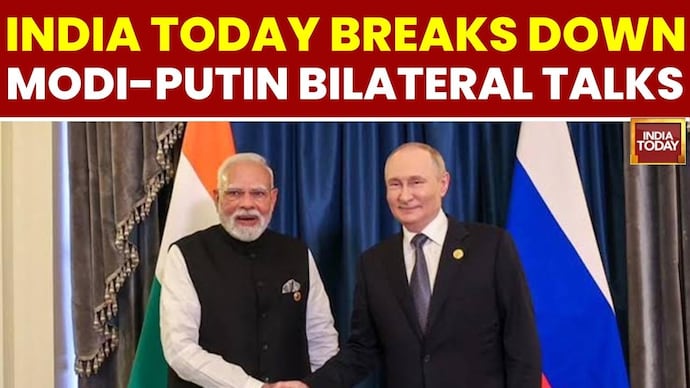
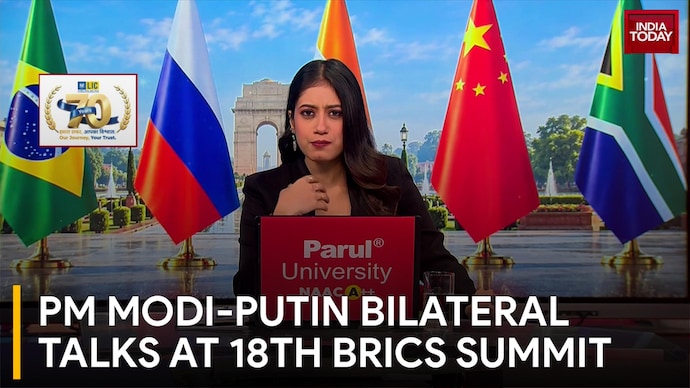
India is hosting the 18th BRICS Summit, welcoming world leaders including Russian President Vladimir Putin and Russian Foreign Affairs Minister Sergei Lavrov. Prime Minister Narendra Modi and President Putin are scheduled to hold their 22nd face-to-face bilateral meeting, marking their third interaction in less than a year. The key discussions focus on bilateral trade, which stands at around 60 billion dollars with a target of reaching 100 billion dollars by 2030, alongside defence ties involving S-400 missile deliveries and fifth-generation fighter aircraft considerations. The meeting takes place amid evolving geopolitical dynamics, including Western pressure, energy trade, and regional tensions in West Asia. India continues to emphasize diplomacy, dialogue, and peaceful solutions regarding the conflict in Ukraine while safeguarding its strategic and economic interests.
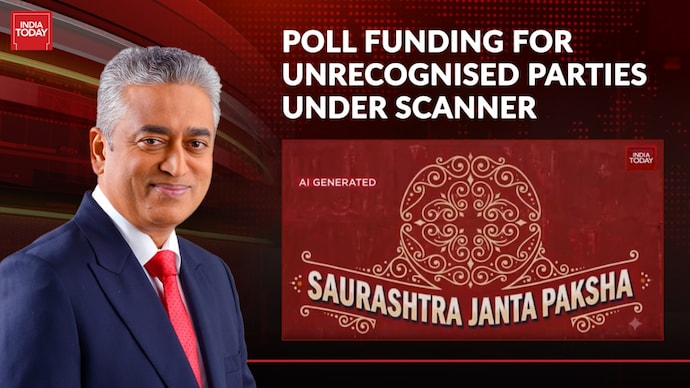
Chinese President Xi Jinping visits New Delhi on September 12 to participate in the BRICS Summit, marking his first trip to India in seven years. The multilateral gathering features key bilateral engagements involving Prime Minister Narendra Modi, President Xi, and Russian President Vladimir Putin, focusing on India-China border negotiations, trade relations, economic cooperation, and global diplomacy. Alongside summit coverage, this special report examines registered unrecognized political parties across Gujarat, Delhi, Bihar, and Madhya Pradesh that collected substantial donations while operating from residential sites and locked offices without contesting elections. Former Chief Election Commissioner Dr S.Y. Quraishi and transparency activist Anjali Bhardwaj analyze statutory income tax exemptions, regulatory loopholes, and Election Commission oversight, while also addressing widespread voter list deletions flagged during the Special Intensive Revision in Delhi and Karnataka.
Chinese President Xi Jinping visits New Delhi on September 12 to participate in the BRICS Summit, marking his first trip to India in seven years. The multilateral gathering features key bilateral engagements involving Prime Minister Narendra Modi, President Xi, and Russian President Vladimir Putin, focusing on India-China border negotiations, trade relations, economic cooperation, and global diplomacy. Alongside summit coverage, this special report examines registered unrecognized political parties across Gujarat, Delhi, Bihar, and Madhya Pradesh that collected substantial donations while operating from residential sites and locked offices without contesting elections. Former Chief Election Commissioner Dr S.Y. Quraishi and transparency activist Anjali Bhardwaj analyze statutory income tax exemptions, regulatory loopholes, and Election Commission oversight, while also addressing widespread voter list deletions flagged during the Special Intensive Revision in Delhi and Karnataka.
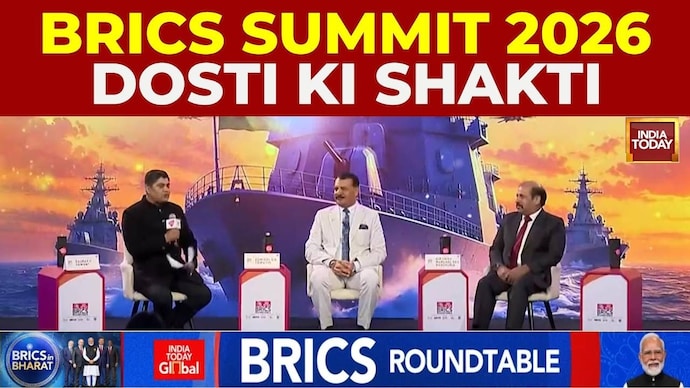
At the India Today Global Aaj Tak BRICS Roundtable, former Chief of Air Staff Air Chief Marshal R.K.S. Bhadauria and Chief of the Naval Staff Admiral Dinesh K. Tripathi analyzed geopolitical security, defense diplomacy, and economic resilience surrounding the 18th BRICS Summit. Discussing Chinese President Xi Jinping's visit to India and bilateral relations along the Line of Actual Control (LAC), Air Chief Marshal Bhadauria noted that high-level talks directly impact bilateral ties and regional stability. Admiral Tripathi described BRICS as a pragmatic multilateral platform rather than a military alliance, emphasizing that the path to peace requires strategic power. Both military leaders evaluated maritime security, counterterrorism, critical infrastructure protection, supply chain localization under the Atmanirbharta initiative, and defense exports. The panel also addressed non-traditional security threats, including artificial intelligence, cybersecurity vulnerabilities, and energy security risks along global trade choke points such as the Strait of Hormuz, while affirming the enduring strategic foundation of India-Russia bilateral defense relations.
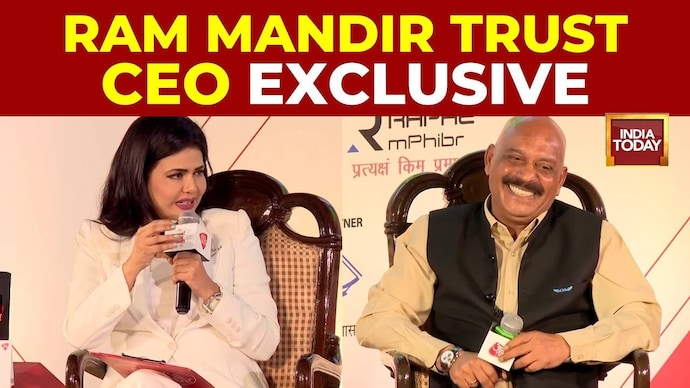
In an interview, retired military officer and newly appointed Ram Mandir Chief Executive Officer Jeetendra Mishra addressed his new administrative role and future roadmap. Mishra stated that the announcement of his appointment was made on the second of the month and that he has only conducted preliminary introductory meetings so far. He explained that detailing concrete plans at this stage would fall into speculation and that he would be better positioned to answer after a month of taking over officially. Concluding his remarks on the responsibility entrusted to him, Mishra said, 'Jai Shri Ram.'
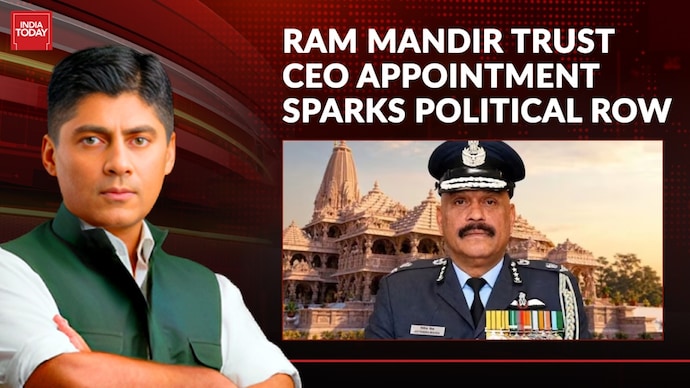
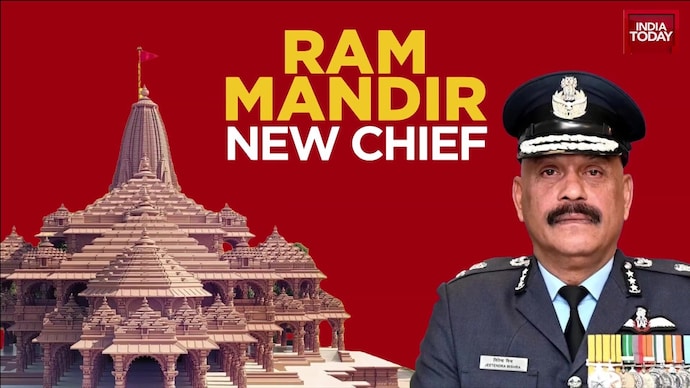
A major political debate has broken out over the appointment of retired Air Marshal Jitendra Mishra as the Chief Executive Officer of the Shri Ram Janmabhoomi Teerth Kshetra Trust.
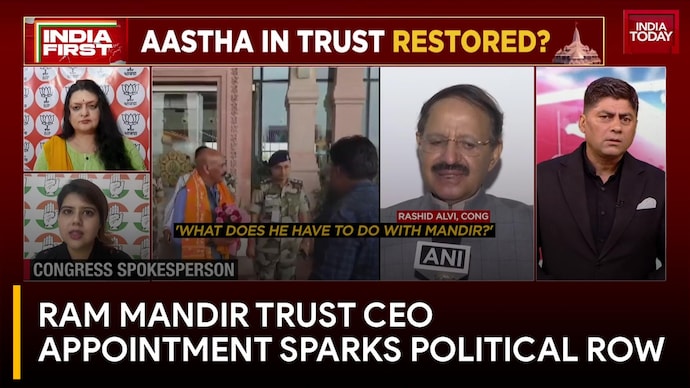
A major political debate has broken out over the appointment of retired Air Marshal Jitendra Mishra as the Chief Executive Officer of the Shri Ram Janmabhoomi Teerth Kshetra Trust. The discussion features sharp exchanges between Bharatiya Janata Party national spokesperson Sanju Varma, Congress spokesperson Pankhuri Pathak, political analyst Ashutosh, and political commentator Sujata Pandey. Congress leaders raised questions regarding the administrative appointment and demanded a forensic audit into allegations of financial misappropriation and donation theft. Defending the appointment, the BJP and panelists emphasized the decorated military career of the former Western Air Command chief and accused the opposition of double standards by highlighting unresolved financial irregularities at the Sabarimala temple in Kerala. Panelists also debated the scope of authority granted to the new CEO to restore institutional transparency and devotee confidence.
The newly appointed CEO of the Shri Ram Mandir in Ayodhya, retired Air Marshal Jitendra Mishra, has commenced duties by attending his first briefing on administration and accounts at the Shri Ram Janmabhoomi Teerth Kshetra office. The former Western Air Command chief and Operation Sindoor veteran stated that his initial priority is understanding his responsibilities before drafting a roadmap. Key challenges outlined include restoring devotee trust following the Chanda Chori controversy, securing offerings, enhancing financial transparency, and upgrading CCTV, security, and crowd management. However, his appointment has triggered political friction. Congress leader Rashid Alvi and MP Imran Masood questioned appointing a military veteran over saints, alleging RSS influence and raising questions over Operation Sindoor. IUML leader Harris Biran termed the move questionable, alleging it serves as a distraction. The Bharatiya Janata Party countered the opposition remarks, accusing critics of having a Dimagi Naxal mindset and insulting the armed forces.
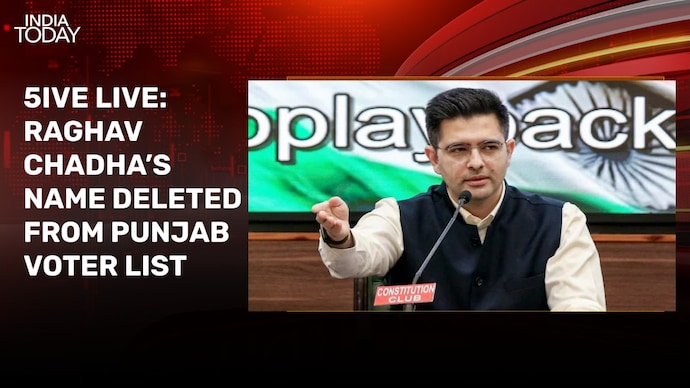
A political row erupted in Punjab after Rajya Sabha MP Raghav Chadha’s name was removed from the draft electoral roll during the Election Commission’s special intensive revision exercise.