
We didn't deliver good governance: Ex-Nepal minister admits failures after protests

In a candid interview with India Today TV, Former Foreign Minister Narayan Prakash Saud reflects on Nepali youths' disillusionment, corruption, and the challenges facing the interim government.
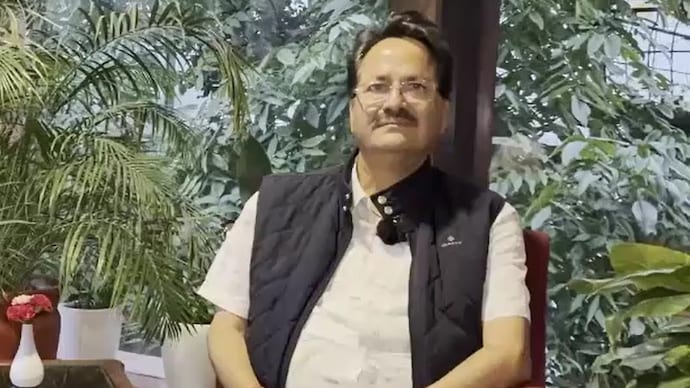


Nepal's former Foreign Minister Narayan Prakash Saud has admitted that Nepal’s political class failed to live up to public expectations, days after violent protests swept the country in what has been dubbed the “Gen Z uprising.”
“It is transparent that we have not delivered good governance here; we have not been able to fulfil public expectations,” Saud told India Today TV in an interview.
The demonstrations erupted on September 8 after the government blocked 26 social media platforms, including Facebook, X and YouTube. The move triggered the biggest protests in decades, with young Nepalis venting anger over corruption, unemployment and rising inequality. At least 34 people were killed and more than 1,000 injured in the unrest, which forced Prime Minister KP Sharma Oli to resign the next day.
Saud said the government had long ignored warning signs. “Because of lack of employment inside the country they were going abroad, and the economic situation is not good. In such a situation we should have paid attention to youth issues and the problems of ordinary people — that was being repeatedly argued inside the party,” he said.
Millions of Nepalis, particularly the young, are working overseas, he noted. “Perhaps 4–5 million Nepalis have gone to India to work — and similarly to Malaysia, Europe, America.” The government, he conceded, “could not fully convince young people to trust the system here.”
CORRUPTION, ANGER AT ELITES
Asked about protesters’ fury at the lifestyles of politicians’ children — derisively called “nepo kids” — Saud admitted that a “paradox” was visible. “The ruling class had greater privilege, and ordinary people had to go abroad as unskilled labour. People were seeing this contradiction.”
On corruption, Saud defended the anti-graft bodies, saying they were empowered compared to regional neighbours. But he acknowledged that the “label of corruption kept growing” because people felt the institutions were politically selective and had not met public expectations.
The former minister also weighed in on the appointment of Sushila Karki to head the interim government, calling it a step taken out of “necessity” after days of bloodshed. “Personally I think she is quite capable; if she can hold elections within the stipulated time, the country can come back on track,” he said.
He also defended the Nepal Army’s restraint during the clashes but admitted it could have done more to protect key institutions such as Singha Durbar and the Supreme Court.
FOREIGN POLICY AND WAY FORWARDS
On foreign relations, Saud argued that Nepal must avoid becoming a pawn in regional rivalries. “Our traditional course has been not to allow China to use Nepali territory against others,” he said, adding that Kathmandu must strike a balance between bigger neighbours while safeguarding its own interests.
Despite growing support for new figures such as Kathmandu mayor Balendra Shah and the leaderless Gen Z movement, Saud stressed that Nepal’s democratic future still depended on established parties. “Without a political party, thinking of governing the whole country is not practical in Nepal’s circumstances right now,” he said.
As the country reels from the deadliest unrest in years, Saud’s candid admission captures the crisis of credibility facing Nepal’s political elite. “Unless we meet the expectations of ordinary people, we cannot move forward or revive,” he told India Today TV.
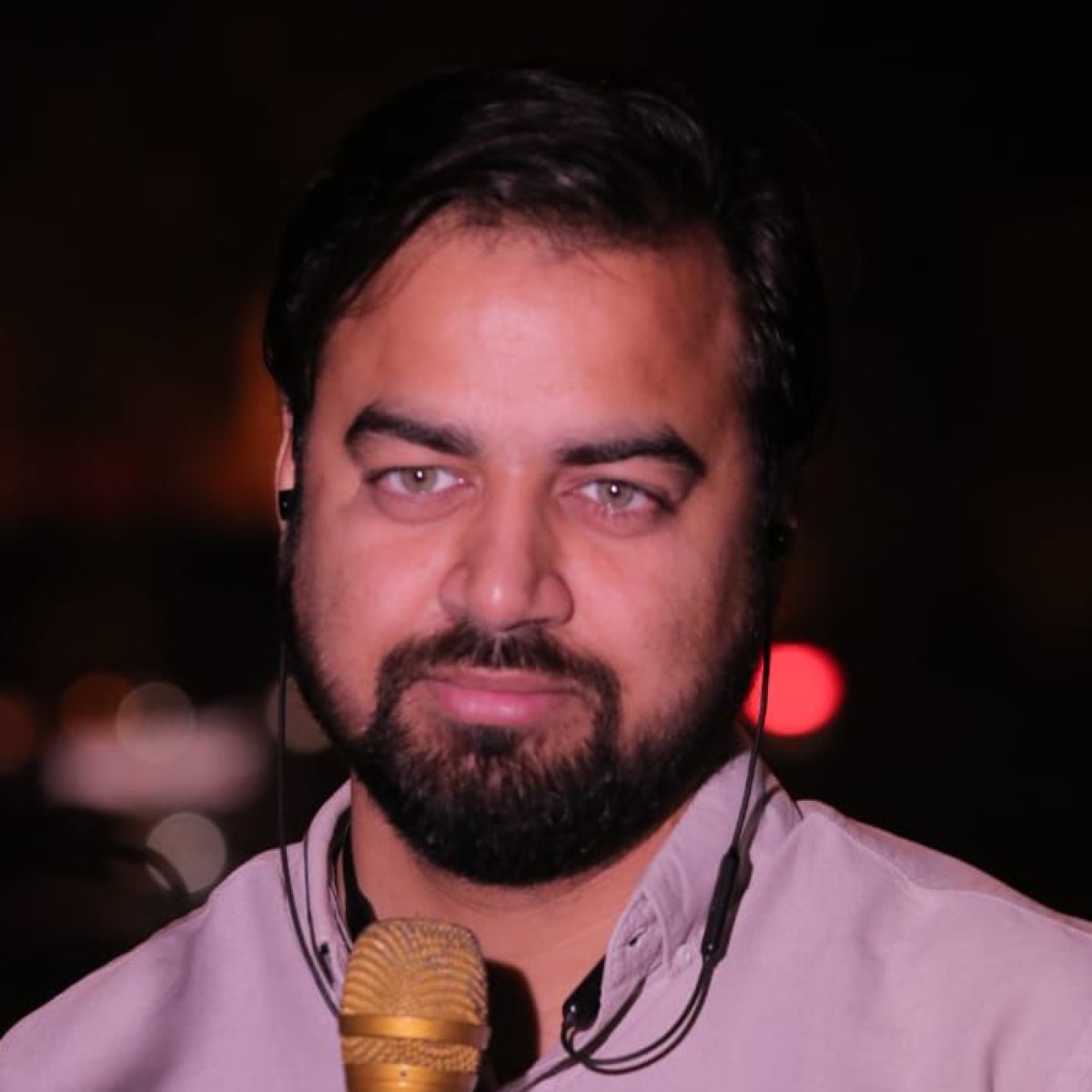
Amit Bhardwaj is among the “politics-election buff” journalists redefining how news connects with a younger audience. Currently an Associate Editor at India Today, he has built a reputation for incisive on-ground reporting right from centre of politics - the Indian Parliament, to the machine of politics- high-stakes Indian elections and to civil aviation sector.
In the last eleven years, he has tracked India through a dozen state elections and consistently reported from the heart of India’s political churn, with a strong focus on the evolving dynamics of the opposition- INDIA bloc. He also tracks Aam Aadmi Party and Telugu Desam Party.
Known for blending easygoing storytelling with factual reportage, Amit Bhardwaj has delivered consistently from mines to skies. He has covered the rescue operations and rat miners in Joshimath. He extensively covered the tragic Air India 171 Ahmedabad crash in June 2025. His work on airline disruptions including the Indigo 2025 crisis, regulatory crackdowns, and aviation safety has added a distinct edge to his political reporting portfolio.
Amit was amongst few India journalists to witness Nepal's GenZ revolution firsthand as it was unfolding on the streets of Kathmandu. His documentary "Joshimath: A Cry For Help" was awarded ENBA Gold for Best In-depth Series.
Before joining India Today, he honed his craft at Newslaundry and Tehelka- in its prime, it was a thing- and has also contributed long-form pieces to The Caravan.
A distinct voice with a cheerfully incisive tone on the popular podcast Reporters Off Air, Bhardwaj brings insider perspectives and futuristic predictions .
Amit hails from Jharkhand, and often greets others with Jai Johar!
READ MORE