Vietnamese crab exporter
Advertisement

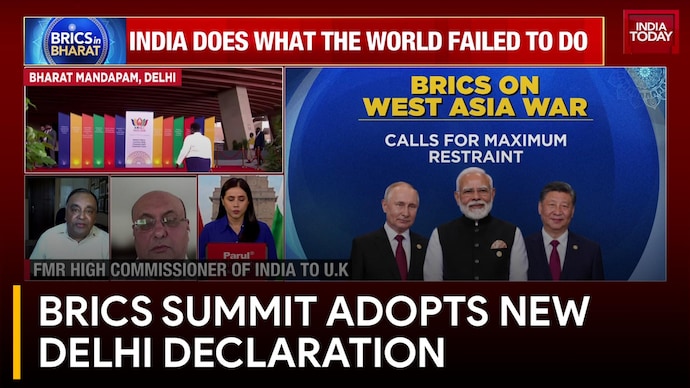
BRICS Adopts New Delhi Declaration, Backs Local Currency Trade & Calls for Peace in West Asia

The extended session of the BRICS Summit convened in New Delhi under the theme of resilience, innovation, cooperation, and sustainability for inclusive global growth. Member nations adopted a consensus joint declaration, reaching agreement on key paragraphs concerning the situation in West Asia despite regional tensions. The declaration prioritised dialogue and diplomacy while addressing the smooth flow of global trade, supply chains, and energy security. Deliberations highlighted concerns over unilateral tariff measures inconsistent with international trade norms and underscored the promotion of cross-border settlements in local currencies. Leaders and invited nations attended the plenary session following day one negotiations to reinforce multilateral cooperation and discuss evolving international payment mechanisms.

Read More

VIDEOS FROM OTHER SECTIONS

LATEST VIDEOS

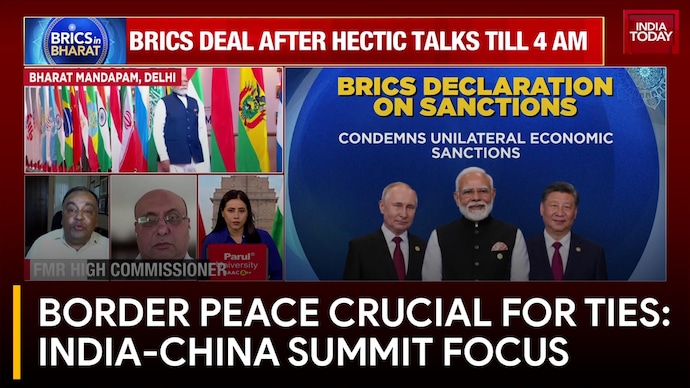
Iran Conflict Impact, Modi-Xi Bilateral & India-China LAC Border Dispute

A news broadcast discusses key geopolitical challenges facing India, focusing on the Gulf conflict and the India-China bilateral engagement. The panel highlights the escalating war involving Iran, the blockade of vital energy routes including the Strait of Hormuz and Bab el-Mandeb, and the resulting economic implications such as rising fuel prices despite India recording 7.8% GDP growth in the first quarter. The discussion also covers the high-level meeting between Prime Minister Narendra Modi and Chinese President Xi Jinping. Key issues between New Delhi and Beijing include the long-standing Line of Actual Control border dispute, troop deployments at super high altitudes, and a bilateral trade deficit exceeding 100 billion dollars. The analysis emphasises border peace, confidence-building measures, and India's rapid infrastructure construction across high-altitude frontier areas to maintain deterrence.
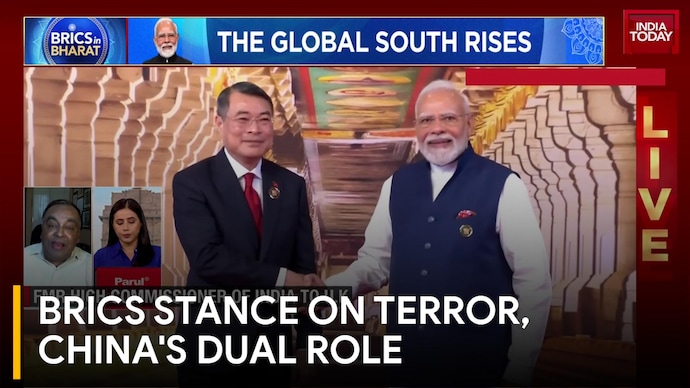
BRICS Summit Terrorism Stance, China's Stand On Pakistan & West Asia Crisis Decoded

A news bulletin discussion analyzes the outcomes of the BRICS summit, highlighting the joint declaration's strong stance on zero tolerance towards terrorism and the explicit condemnation of the April 22nd 2025 Pahalgam terror attack. The panel examines India's long-pending push for the UN Comprehensive Convention on International Terrorism and assesses China's consistent obstructionism regarding the listing of Pakistan-based terrorists under UN sanction regimes, noting that Beijing acts purely on perceived national interests rather than multilateral declarations. The discussion also evaluates Chinese President Xi Jinping's engagement with Prime Minister Narendra Modi, alongside China's diplomatic positioning regarding the ongoing West Asia crisis and ties with Iran. Experts assess the broader geopolitical landscape as President Xi prepares for talks in Washington amid US economic sanctions, retaliatory critical mineral supply policies, and evolving regional security conflicts in the Gulf region.

BRICS New Delhi Declaration Condemns Terrorism, Flags Unilateral Tariffs and Energy Sanctions

The BRICS summit concluded with the adoption of the New Delhi Declaration, outlining the bloc's collective stance on global terrorism, trade tariffs, energy security, and geopolitical conflicts. The 140-paragraph document called for concerted action against all United Nations-designated terrorists and terrorist entities, reiterating zero tolerance for terrorism and condemning attacks targeting civilians. Panellists noted India's success in building consensus among an expanded 11-member grouping, successfully balancing regional dynamics in the Middle East by bringing nations like Iran and the UAE onto the same page. The declaration also voiced serious concerns regarding unilateral tariff and non-tariff measures that distort international commerce and run contrary to World Trade Organization rules. Furthermore, the discussion highlighted the adverse impact of unpredictable global sanction regimes on national energy planning and economic security.

advertisement

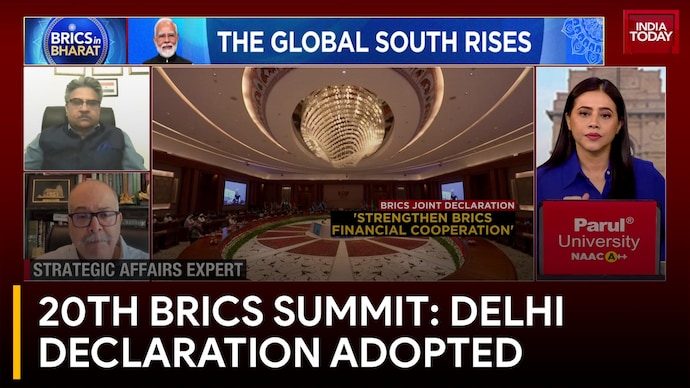
Delhi Declaration Adopted At 20th BRICS Summit As India Pushes For Global Order Overhaul

At the 20th BRICS Summit held in India, member nations adopted the New Delhi Declaration by consensus, prioritising dialogue over confrontation, peaceful dispute resolution, and reformed multilateralism. Prime Minister Narendra Modi welcomed global leaders and emphasised the need for an ambitious agenda for the next two decades while ensuring institutional momentum continues. Outlining India's priorities, PM Modi proposed a dedicated emergency support network for seafarers to safeguard maritime trade and navigation. He also called for an urgent overhaul of the UN Security Council through time-bound, task-based negotiations, alongside reforms in international financial institutions to reflect contemporary economic realities. The declaration highlighted key concerns including risks of nuclear conflict, opposition to unilateral coercive measures and tariff barriers, adherence to World Trade Organization rules, and the development of cross-border payment mechanisms to facilitate seamless trade.