
Vietnamese crab exporter
Advertisement

BRICS Adopts New Delhi Declaration, Backs UNSC Reforms And Urges West Asia De-Escalation

The 2026 BRICS Summit in New Delhi concluded with the adoption of the New Delhi Declaration by all 11 member nations. Hosted by Prime Minister Narendra Modi, the summit brought together world leaders, including Xi Jinping and Vladimir Putin. The joint declaration called for structural reforms of multilateral institutions like the UNSC, strongly condemned terrorism, and denounced unilateral acts of war. It further urged restraint, de-escalation, and dialogue amid ongoing military aggression in West Asia, following a consensus between Iran and the UAE on the text. PM Modi highlighted the pillars of resilience, innovation, cooperation, and sustainability, while cautioning against the weaponisation of technology and critical minerals. The BRICS presidency was handed over to China.

Read More

VIDEOS FROM OTHER SECTIONS

LATEST VIDEOS

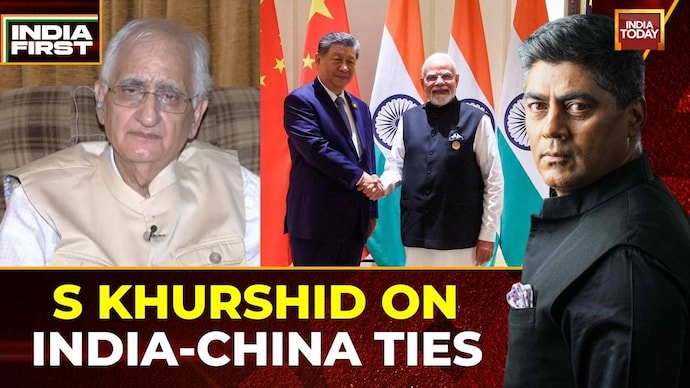
Salman Khurshid on China: 'We have to trust each other first'

In an interview with India Today, former External Affairs Minister Salman Khurshid shared his analysis of the BRICS summit outcomes and India-China relations. Discussing the New Delhi Declaration, Khurshid noted that while the condemnation of cross-border terrorism represents positive movement, India needs to continue broader diplomatic outreach beyond the multilateral grouping. Reflecting on India's bilateral ties with China and recent high-level engagements, he stressed the need for transparency, stating, "We have to trust each other first, and the trust will come only with sharing of information." Khurshid urged the government to take the opposition into confidence regarding developments on the border issue. Furthermore, addressing the trade imbalance between the two countries, he pointed out that India must formulate concrete domestic plans alongside bilateral talks to reduce the trade deficit effectively.
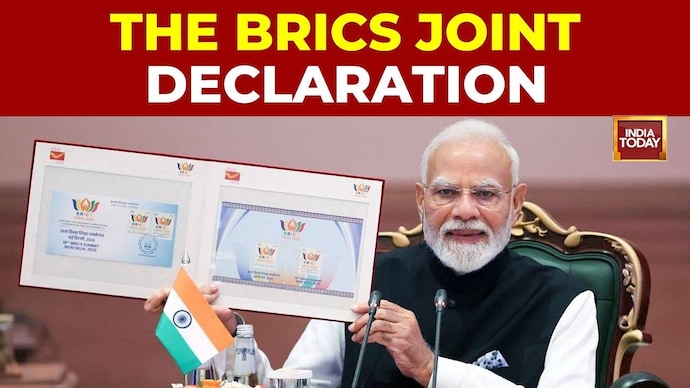
18th BRICS Summit: New Delhi Declaration Adopted, Global South Priorities And Reforms Stressed

At the 18th BRICS Summit hosted in New Delhi, member nations adopted the New Delhi Joint Declaration, underscoring conflict prevention, diplomacy, and the peaceful resolution of international disputes. The declaration highlighted critical global concerns, including multilateralism, adherence to World Trade Organization rules against unilateral tariff barriers, easier cross-border payments, and growing risks of nuclear conflict. In his address, the Prime Minister welcomed the extended BRICS family and framed India's chairship around four core pillars: resilience, innovation, cooperation, and sustainability. He emphasized that solutions developed within BRICS must be adaptable and accessible to the broader Global South, noting that the world expects concrete results as the bloc enters its third decade. Participating leaders acknowledged India's leadership in steering over 350 engagements across 30 cities, endorsing more than 50 deliverable outcomes spanning key sectors such as health, food security, energy, digital public infrastructure, and disaster resilience while reaffirming calls for global governance reform.

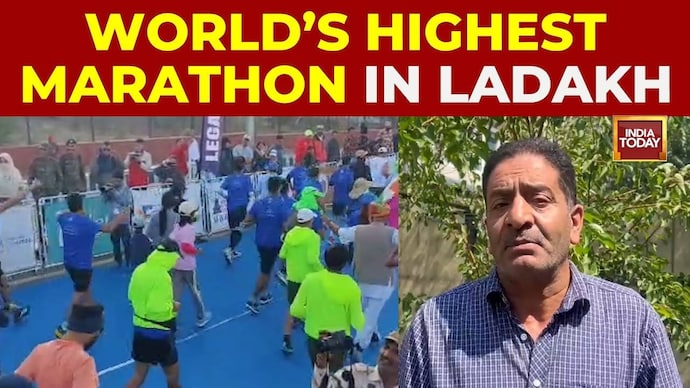
Ladakh Marathon Sees Over 5,000 Global Runners; Participants Promote Anti-Drug Fitness

Another edition of the Ladakh Marathon was organised on Sunday, drawing more than five thousand runners from across the globe. Divided into three categories—a forty-five kilometre stretch through the Silk Route, a twenty-one-kilometre half marathon, and an eleven-point-five-kilometre run—the annual event has grown steadily since its inception after the devastating 2010 Ladakh floods. Held at high altitude, it is recognised as the world's highest marathon. Senior participant Ratan Singh shared his experience completing the 21.2-kilometre half marathon within three hours and thirty-seven minutes. He commended the organisers, volunteers, media, police, and defence forces for seamless event management, while urging Indian youth to embrace fitness routines and shun drugs to build a healthier nation.

advertisement

PM Modi at BRICS: Inclusivity, Unilateral Tariffs & Stand Against Terror

At the conclusion of the two-day BRICS summit in India, Prime Minister Narendra Modi emphasised inclusivity and cautioned against the weaponisation of technology and critical minerals. In the presence of Russian President Vladimir Putin and Chinese President Xi Jinping, member nations adopted the New Delhi Declaration, expressing serious concern over unilateral tariffs and non-tariff trade measures violating World Trade Organization rules. The summit strongly condemned the Pahalgam attack, reaffirming zero tolerance for terrorism and rejecting double standards. Addressing the West Asia conflict, BRICS urged restraint and advocated dialogue and diplomacy. The grouping also agreed on initiatives including an early warning system for infectious diseases, disaster management guidelines, and proposed a BRICS Startup Innovation Fund.