Vietnamese crab exporter
Advertisement

BRICS Pushes Multipolar World Order, Rejects Currency Hegemony and Promotes People-to-People Ties

A special panel discussion at the Aaj Tak India Today Global conclave examined the evolving role of the expanding 11-member BRICS bloc amid global geopolitical volatility. Former Rajya Sabha MP Vinay Sahasrabuddhe and seasoned diplomat Muktesh Pardeshi highlighted the rejection of hegemonic global structures and monopolistic currency control, pointing to bilateral trades conducted in rupees and rubles as evidence of economic democratisation. The session focused on the significance of people-to-people connectivity, cultural diplomacy, and digital networks across member nations representing nearly half of the global population. The speakers discussed the retrieval of stolen cultural artefacts, creative economies, and cartographic democratisation. Addressing regional conflicts in West Asia and Eastern Europe, the panel underscored India's diplomatic capacity to navigate complex global equations through dialogue, shared heritage, and consensus-building.

Read More

VIDEOS FROM OTHER SECTIONS

LATEST VIDEOS

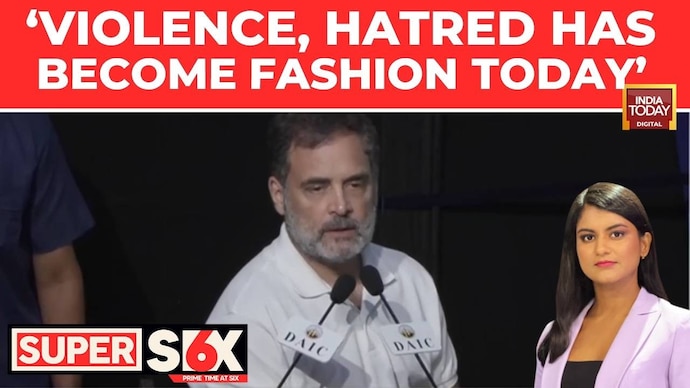
Government Questioned Over Incident Amid Concerns Over Violence And Misuse Of Power

A gathering addressed concerns regarding a recent incident, questioning the government and the administration over the actions that took place. The discussion highlighted that violence, hatred, and arrogance were present in the act, irrespective of earlier statements or specific outcomes. It was observed that a pattern has emerged where individuals holding power display arrogance and act violently without accountability. The administration faces scrutiny over its handling of the matter and the conduct of those in authority.
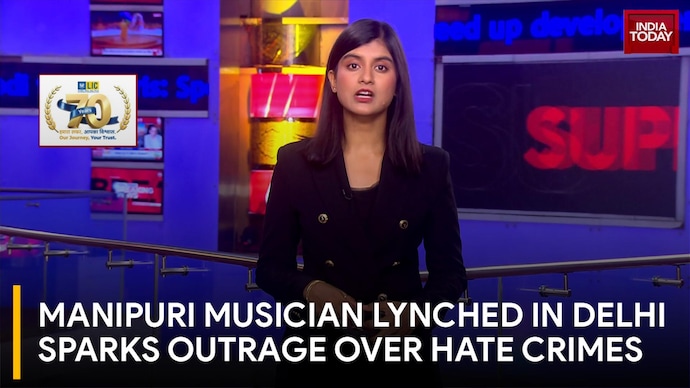
Mob Lynching Of Manipuri Musician In Delhi Sparks Outrage, Condolence Meet And Hate Crime Concerns

A memorial gathering was held in the national capital to pay tribute to a Manipuri musician who died following a mob attack. Attendees and family members gathered in solidarity to remember the artist and condemned the incident as a hate crime. Concerns were raised regarding growing violence, mob brutality, and prejudice faced by people from the Northeast, highlighting ongoing struggles and tragedies. The incident has triggered widespread outrage and renewed focus on administration accountability, safety concerns, and addressing targeted violence in the capital.

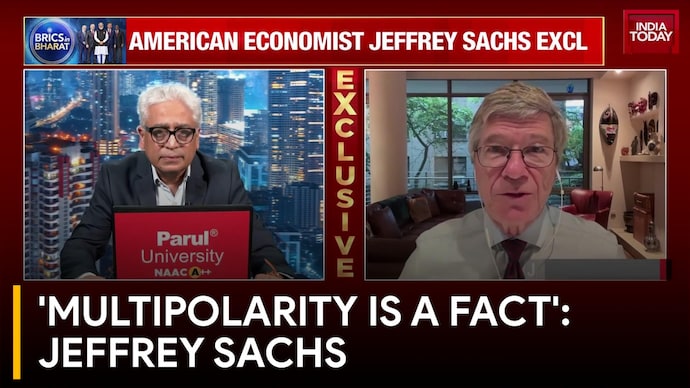
'India And China Together Can Really Make A Multilateral World': Jeffrey Sachs

In an interview, economist Jeffrey Sachs discussed the shifting global order, relations between India and China, and the role of BRICS in international affairs. Sachs stated, "India and China together can really make a multilateral world," arguing that China has a significant interest in India's success and in creating a multipolar system. He characterized the United States, Russia, India, and China as four major superpowers and argued that multipolarity is an established reality. Sachs criticized United States foreign policy and unilateral actions, asserting that BRICS represents half of the global population and economic output. He maintained that BRICS acts as a counterweight against unilateralist measures, tariffs, and military interventions. Addressing questions regarding Russia and Iran within BRICS, Sachs attributed prolonged geopolitical tensions to long-term American policies aimed at global primacy and NATO expansion rather than multilateral cooperation among leading world powers.

advertisement

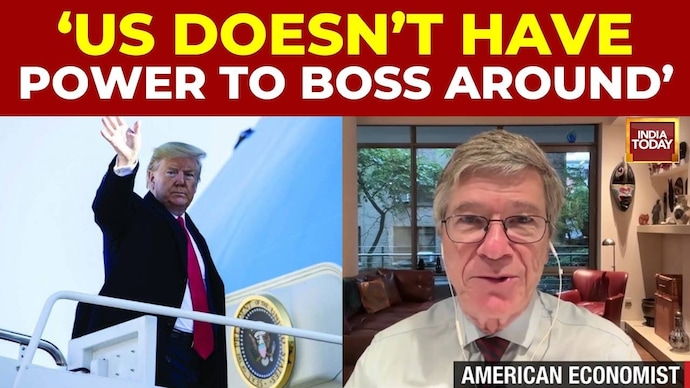
Jeffrey Sachs: 'World Will Be Safer When The US Stops Bossing Other Countries Around'

In an interview, Columbia University Professor Jeffrey Sachs shared his perspective on the BRICS Summit in India and the critical importance of India-China ties. Highlighting Chinese President Xi Jinping's upcoming visit to India, Sachs emphasized that cooperation between the two Asian giants represents the most crucial bilateral relationship globally. He noted, "The world will be safer when the United States stops bossing other countries around," stressing that a united Sino-Indian partnership would reinforce genuine multilateralism in a multipolar framework. Addressing historical border frictions, Sachs argued that such disputes stem from the British Raj in 1914 and ought to be resolved peacefully between two nations representing 40% of humanity. He further projected significant economic gains through joint ventures, supply chain integration, and technology partnerships, forecasting that India and China will become the world's two largest economies in the coming decades.