
Expanded BRICS, Geopolitical Conflicts and Economic Ties Analyzed by Experts

A panel of geopolitical experts examined the diplomatic, strategic, and economic dynamics surrounding the expanded BRICS grouping amid ongoing global conflicts in West Asia and Eastern Europe. The discussion addressed the positioning of BRICS as a non-Western developmental platform rather than an anti-Western bloc, highlighting India's foreign policy approach in balancing relations between member nations, China, and the United States. The speakers analyzed global trade dependencies, tariff policies, supply chain realignments, the operational limits of local currency trade mechanisms, and the continuing role of the US dollar in international finance. Additionally, the dialogue assessed the impact of regional hostilities on energy security, focusing on India's diversification of liquefied petroleum gas (LPG) and liquefied natural gas (LNG) imports. The panel also explored multilateral cooperation across the Global South in artificial intelligence governance, the proposal for a formal BRICS secretariat in New Delhi, and regional diplomatic developments involving Bangladesh.
LATEST VIDEOS
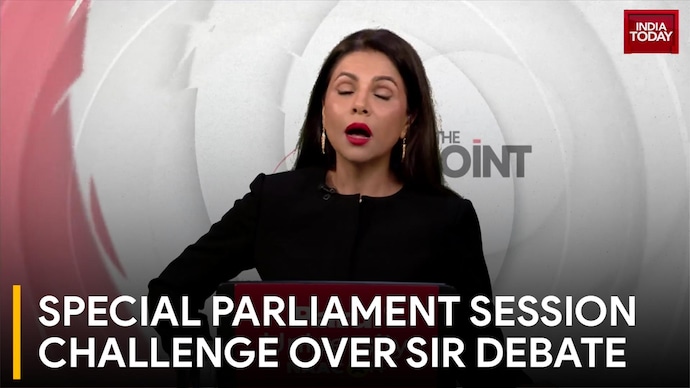
Special Parliament Session Challenge, SIR Debate and Clash Over House Disruptions
The Union Home Minister has challenged the opposition to a debate on the Special Intensive Revision in Parliament. Emphasising that the central government is ready for discussion on any issue, the minister offered to convene a special parliamentary session to discuss the SIR, provided Parliament is allowed to function. The statement reiterated an earlier dare following an opposition call for a debate with the Prime Minister. Criticising the opposition for running a mock parliament, the minister stated that carrying the Constitution does not equate to genuine respect or support for constitutional values.
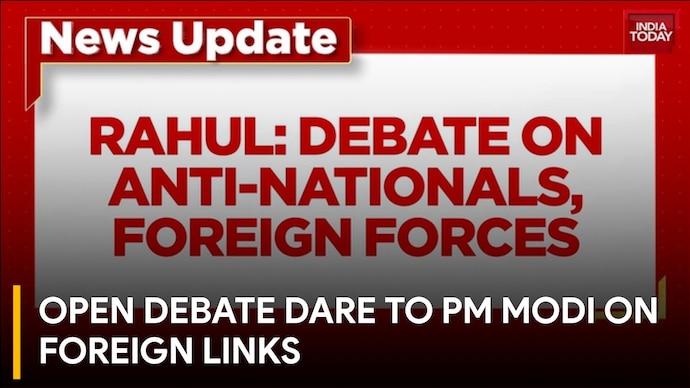
Foreign Plot Row: Open Debate Dare to PM Modi, RSS Chief as Judge, and US Deal
A political confrontation has escalated over allegations regarding foreign funding and foreign influence, following statements on an alleged external plot. A challenge has been issued to Prime Minister Narendra Modi to engage in an open public debate to address questions over who maintains links with foreign entities and the nature of those associations. The proposed debate suggests convening before the media and the country's youth, with Rashtriya Swayamsevak Sangh chief Mohan Bhagwat suggested as a potential arbiter or judge. Further issues highlighted for public scrutiny include financial structures, procedural transparency surrounding a US deal, the Adani case closure, and references to Jeffrey Epstein, while pointing out the lack of defamation litigation on the foreign connection dispute.
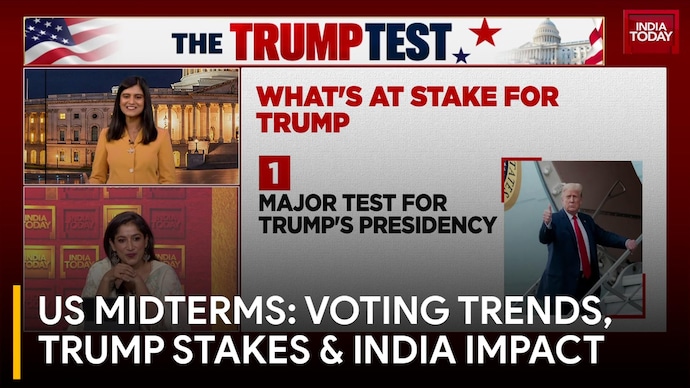
US Midterm Voting Dynamics, India-US Ties and Donald Trump's Political Stakes
A panel of journalists analyses the visual and operational differences between Indian and American voting systems during the United States midterm elections. Discussion highlights why American polling locations lack the long queues typically seen in India, citing widespread early voting and mail-in ballots, with over 54 million votes cast prior to election day. From Washington, DC, ground observations point to early voter demographics, particularly suburban women who traditionally influence outcomes for Democrats. The panel further assesses what the midterm results could mean for India and the Donald Trump administration, noting bilateral trade targets of 500 billion dollars over five years and strategic defense partnerships. Analysts also discuss potential political shifts, impeachment hurdles in the Senate, and the unprecedented influence of corporate funding and major campaign contributors during the election cycle.