Stubble burning in Punjab crosses 5,000 cases amid paddy harvest challenges
Punjab's stubble burning cases have surged past 5,000, with fines and FIRs imposed as farm fires continue during the paddy harvest season.

A delegation of 40 members of the Taliban met with the resistance forces in Panjshir for negotiations, however, the result of the talks is unclear.
The anti-Taliban forces tweeted, "There are 2 ways either they will accept the values of the people of Khorasan or second resistance will be declared."
Punjab's stubble burning cases have surged past 5,000, with fines and FIRs imposed as farm fires continue during the paddy harvest season.
Senior consultant pediatrician and Chairman of Nephron Clinic, Professor Dr Sanjeev Bagai, warned that severe air pollution is causing irreparable multi-generational damage to public health in India. He highlighted that ultrafine particulate matter, toxic gases, carcinogens, and micro-nanoplastics penetrate deep into the bloodstream, crossing the blood-brain barrier and damaging DNA chromosomes. Dr Bagai noted severe health outcomes, including stillbirths, congenital heart defects, childhood leukemia, stunting, and increased cancer risks. He stressed that preconception exposure for prospective parents alters genetic material, impacting future generations. Calling for urgent policy measures, Dr Bagai asserted: 'We need a separate ministry to combat air pollution.' He demanded an iron-fisted five-year implementation plan led by doctors, scientists, and environmentalists to eliminate road dust, establish no-traffic zones, regulate construction, and improve public transit.
Agricultural experts highlighted sustainable practices and innovations like water-efficient rice cultivation and climate-resilient crops to address future farming challenges.
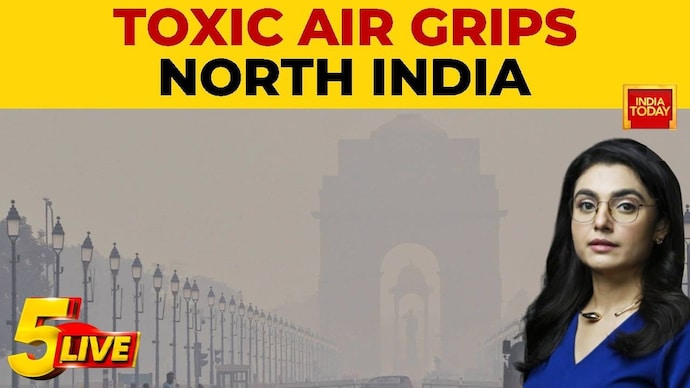
Northern Indian cities face hazardous air pollution, with Bathinda topping the list and Sri Ganganagar highlighted as a major hotspot due to farm fires and industrial emissions.