A trade every 35 minutes? Trump's portfolio activity raises eyebrows
A financial disclosure showed US President Donald Trump's investment accounts made 3,642 trades in 90 days. The filing has prompted ethics questions, calls for an investigation and debate over conflicts of interest.
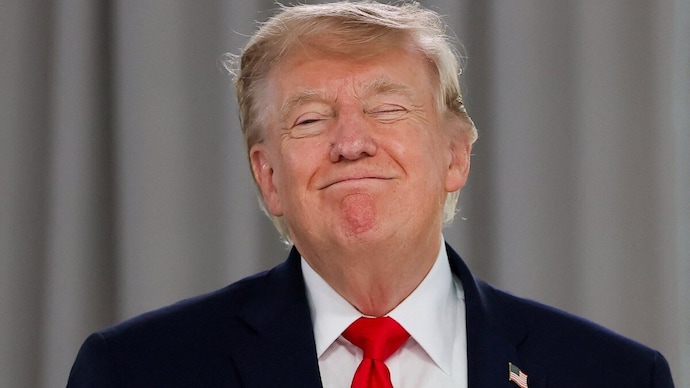
US President Donald Trump's investment portfolio is facing fresh scrutiny after a financial disclosure revealed an extraordinary level of trading activity, with more than 3,600 purchases and sales executed in just three months.
According to a CBS News analysis, Trump's investment accounts recorded 3,642 transactions between January 6 and March 30, 2026, involving more than 1,000 companies and funds.
The scale of the activity has sparked debate among lawmakers, ethics experts and investment professionals over whether such intense trading is appropriate for a sitting president, even though the Trump Organization says he has no direct role in managing the investments.
The disclosure shows transactions worth between $212 million and $695 million during the period, including 2,346 purchases and 1,296 sales across 1,026 companies and funds.
TECH STOCKS DOMINATED THE PORTFOLIO
As per the report, technology companies accounted for the largest share of trading activity.
Microsoft, Amazon, Meta, Netflix, Oracle and AMD appeared repeatedly in buy and sell orders, with each company featuring in between 17 and 22 trades during the quarter.
Overall, technology stocks accounted for at least $43 million in purchases and $24 million in sales, making it the most actively traded sector in the portfolio.
The disclosure also showed activity across financial services, consumer goods, industrial companies, healthcare firms, exchange-traded funds (ETFs) and mutual funds.
At the top end, four transactions involving Amazon, Meta, Microsoft and a Vanguard ETF were valued between $5 million and $25 million each.
TRADING SURGED IN MARCH
The filing shows that trading activity accelerated sharply during March.
According to CBS News, the accounts executed 1,565 purchases in March alone, compared with roughly 400 purchases in each of the previous two months.
March 23 emerged as the busiest day in the portfolio, with 283 purchases and 17 sales recorded in a single session.
The jump is especially notable because an earlier disclosure covering the final two months of 2025 contained only 191 transactions, mostly involving bonds.
NVIDIA, PALANTIR TRADES DRAW ATTENTION
Some transactions have attracted particular scrutiny because of their timing.
CBS News reported that the accounts purchased between $500,001 and $1 million worth of Nvidia shares on January 6. Over the reporting period, the portfolio executed 15 Nvidia-related trades, including nine purchases and six sales.
The following week, the administration eased export restrictions on Nvidia's artificial intelligence chips, allowing expanded sales to China.
The accounts also purchased Palantir shares during March. Weeks later, Trump praised the company on his Truth Social platform, writing that Palantir had demonstrated strong military capabilities.
CBS News also highlighted purchases of Eli Lilly shares during a period when the pharmaceutical company benefited from several government decisions related to its fast-growing obesity and diabetes drug business.
The timing of these transactions has fuelled criticism from some lawmakers and ethics groups, although no evidence of wrongdoing has been presented.
ELIZABETH WARREN SEEKS INVESTIGATION
The disclosure has triggered criticism from Democratic lawmakers.
As per the report, Senator Elizabeth Warren called for an investigation into what she described as "potential insider trading" and urged Treasury Secretary Scott Bessent to look into the matter.
Ethics experts also questioned the arrangement under which the investments are managed.
Richard Briffault, a professor at Columbia Law School, told CBS News that presidents are in a unique position because their public statements and policy decisions can influence stock prices.
"He is in a position to make all kinds of decisions that can affect stock prices," Briffault said.
He also pointed out that Trump does not use a traditional blind trust structure that many modern presidents have adopted to avoid the appearance of conflicts of interest.
INVESTMENT EXPERTS ARE DIVIDED
Not everyone views the activity as suspicious.
David Salem of Hedgeye Asset Management told CBS News that the pattern resembled "tax-loss harvesting" and "direct indexing" strategies often used by wealthy investors to minimise taxes and replicate market indices.
Such strategies can generate a large number of automated transactions, particularly around index rebalancing periods.
However, other experts found the scale difficult to explain.
"I can't come up with a rationale for that amount of trading for anyone," Eric Diton of The Wealth Alliance told CBS News.
"Thousands of trades in a quarter. I truly can't explain it. It makes no sense to me."
Diton added that carrying out thousands of trades in a single quarter would effectively amount to a full-time job.
TRUMP ORGANISATION DENIES PRESIDENTIAL INVOLVEMENT
The Trump Organisation rejected suggestions that the president was directly involved in selecting stocks or executing trades.
In a statement cited by CBS News, the company said neither Trump, his family nor the Trump Organization played any role in selecting, directing or approving specific investments.
The organisation said outside managers handled the portfolio independently and that the president received no advance notice of trading activity.
Treasury Secretary Scott Bessent also defended the arrangement, saying Trump was not personally engaged in high-frequency trading and that an external investment manager was responsible for the transactions.
While stock trading by a sitting US president is not illegal, the disclosure has renewed debate in Washington over whether elected officials should be allowed to hold actively managed portfolios while in office.
For now, the biggest takeaway from the filing may simply be the numbers: 3,642 trades in 90 days, a pace more commonly associated with a professional trading desk than the financial affairs of a sitting president.
US President Donald Trump's investment portfolio is facing fresh scrutiny after a financial disclosure revealed an extraordinary level of trading activity, with more than 3,600 purchases and sales executed in just three months.
According to a CBS News analysis, Trump's investment accounts recorded 3,642 transactions between January 6 and March 30, 2026, involving more than 1,000 companies and funds.
The scale of the activity has sparked debate among lawmakers, ethics experts and investment professionals over whether such intense trading is appropriate for a sitting president, even though the Trump Organization says he has no direct role in managing the investments.
The disclosure shows transactions worth between $212 million and $695 million during the period, including 2,346 purchases and 1,296 sales across 1,026 companies and funds.
TECH STOCKS DOMINATED THE PORTFOLIO
As per the report, technology companies accounted for the largest share of trading activity.
Microsoft, Amazon, Meta, Netflix, Oracle and AMD appeared repeatedly in buy and sell orders, with each company featuring in between 17 and 22 trades during the quarter.
Overall, technology stocks accounted for at least $43 million in purchases and $24 million in sales, making it the most actively traded sector in the portfolio.
The disclosure also showed activity across financial services, consumer goods, industrial companies, healthcare firms, exchange-traded funds (ETFs) and mutual funds.
At the top end, four transactions involving Amazon, Meta, Microsoft and a Vanguard ETF were valued between $5 million and $25 million each.
TRADING SURGED IN MARCH
The filing shows that trading activity accelerated sharply during March.
According to CBS News, the accounts executed 1,565 purchases in March alone, compared with roughly 400 purchases in each of the previous two months.
March 23 emerged as the busiest day in the portfolio, with 283 purchases and 17 sales recorded in a single session.
The jump is especially notable because an earlier disclosure covering the final two months of 2025 contained only 191 transactions, mostly involving bonds.
NVIDIA, PALANTIR TRADES DRAW ATTENTION
Some transactions have attracted particular scrutiny because of their timing.
CBS News reported that the accounts purchased between $500,001 and $1 million worth of Nvidia shares on January 6. Over the reporting period, the portfolio executed 15 Nvidia-related trades, including nine purchases and six sales.
The following week, the administration eased export restrictions on Nvidia's artificial intelligence chips, allowing expanded sales to China.
The accounts also purchased Palantir shares during March. Weeks later, Trump praised the company on his Truth Social platform, writing that Palantir had demonstrated strong military capabilities.
CBS News also highlighted purchases of Eli Lilly shares during a period when the pharmaceutical company benefited from several government decisions related to its fast-growing obesity and diabetes drug business.
The timing of these transactions has fuelled criticism from some lawmakers and ethics groups, although no evidence of wrongdoing has been presented.
ELIZABETH WARREN SEEKS INVESTIGATION
The disclosure has triggered criticism from Democratic lawmakers.
As per the report, Senator Elizabeth Warren called for an investigation into what she described as "potential insider trading" and urged Treasury Secretary Scott Bessent to look into the matter.
Ethics experts also questioned the arrangement under which the investments are managed.
Richard Briffault, a professor at Columbia Law School, told CBS News that presidents are in a unique position because their public statements and policy decisions can influence stock prices.
"He is in a position to make all kinds of decisions that can affect stock prices," Briffault said.
He also pointed out that Trump does not use a traditional blind trust structure that many modern presidents have adopted to avoid the appearance of conflicts of interest.
INVESTMENT EXPERTS ARE DIVIDED
Not everyone views the activity as suspicious.
David Salem of Hedgeye Asset Management told CBS News that the pattern resembled "tax-loss harvesting" and "direct indexing" strategies often used by wealthy investors to minimise taxes and replicate market indices.
Such strategies can generate a large number of automated transactions, particularly around index rebalancing periods.
However, other experts found the scale difficult to explain.
"I can't come up with a rationale for that amount of trading for anyone," Eric Diton of The Wealth Alliance told CBS News.
"Thousands of trades in a quarter. I truly can't explain it. It makes no sense to me."
Diton added that carrying out thousands of trades in a single quarter would effectively amount to a full-time job.
TRUMP ORGANISATION DENIES PRESIDENTIAL INVOLVEMENT
The Trump Organisation rejected suggestions that the president was directly involved in selecting stocks or executing trades.
In a statement cited by CBS News, the company said neither Trump, his family nor the Trump Organization played any role in selecting, directing or approving specific investments.
The organisation said outside managers handled the portfolio independently and that the president received no advance notice of trading activity.
Treasury Secretary Scott Bessent also defended the arrangement, saying Trump was not personally engaged in high-frequency trading and that an external investment manager was responsible for the transactions.
While stock trading by a sitting US president is not illegal, the disclosure has renewed debate in Washington over whether elected officials should be allowed to hold actively managed portfolios while in office.
For now, the biggest takeaway from the filing may simply be the numbers: 3,642 trades in 90 days, a pace more commonly associated with a professional trading desk than the financial affairs of a sitting president.

