Uncertainty over Delhi Race Club grows as horses leave amid eviction battle
Horses are being moved out of the Delhi Race Club as eviction proceedings continue and racing stays suspended. The prolonged uncertainty is threatening livelihoods, training routines and the future of north India's only race club.
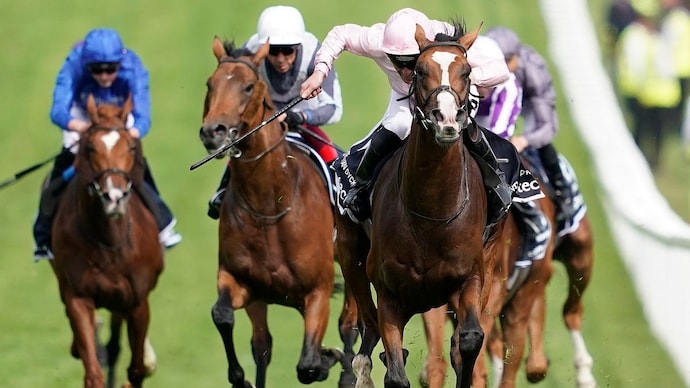
The future of the Delhi Race Club remains uncertain as horses are being moved out of the capital and racing activities have been suspended. Of the around 272 thoroughbred horses that were housed at the club a few months ago, only about 98 remain, as owners shift them to other racing centres and riding schools.
The movement of horses has gathered pace after the Centre moved to reclaim the government land occupied by the century-old club. The Delhi Race Club has challenged the action in court, but the eviction process has continued, adding to the uncertainty around the racecourse and the people who depend on it for their livelihoods.
A source said, "We used to have 272 thoroughbred horses here; now, due to the uncertainty around their future, only 98 remain as of today. Just today we released three horses. Their owners have sent them to other race clubs and schools." Owners have been gradually moving their horses to race clubs in Pune, Mumbai, Bengaluru, Mysuru, Hyderabad and Kolkata. Sources said older horses that are less fit for racing have been sold to riding schools, while a few have also been moved to a race facility in Meerut.
According to an official notification issued by the Delhi Race Club, inter-venue racing has been suspended until further orders because of the ongoing eviction proceedings, discussions with the Land and Development Office and the pending court cases. A source said, "Racing at the club is otherwise suspended every year from the end of April 30 till September because of the intense summer heat. This time, even the inter venue racing and activities and betting are also suspended." The source added, "No owner wants to wait till the last moment. They are moving the horses wherever proper racing facilities are available."
The horses are transported in specially designed floats that can carry up to eight animals at a time. A source said, "These are thoroughbreds bred only for racing. Depending on their pedigree and performance, a horse can cost anywhere between Rs 3 lakh and Rs 50 lakh." Workers said maintaining a racehorse costs at least Rs 40,000 a month, with expenses rising depending on the horse's age, training and medical needs.
Trainers and workers said the horses need specialised care. One trainer said, "These horses are like athletes. Their exercise, food and medical care are all carefully monitored every day," and added that even a minor slip during training could lead to a hairline fracture because of their delicate bone structure. He also said, "They cannot eat ordinary fodder like other horses," and that each horse is given specially prepared meals with nutrients, vitamins and minerals to keep it race-fit. Another worker said, "These horses need cooling, grooming and medical care every day. You cannot keep them just anywhere."
Pointing to the long rows of stables beside the horseshoe-shaped track, a worker said the structures had stood there for nearly a century and dated back to the British era, when horse racing was introduced in Delhi. Renovated in the 1940s, the stables were designed to protect the horses from the capital's summer heat. The worker said, "This place was built very meticulously so that the heat does not reach the horses and there is proper ventilation inside." The racecourse also has veterinary facilities, cooling arrangements and regular grooming schedules.
The uncertainty has also affected nearly 5,000 families, including trainers, jockeys, contractors and stable workers, who depend on the club. One employee, who has worked at the racecourse since 1992, said he first came there to clear the tracks before moving into office work. He said, "This place has helped us run our homes for decades. If it shuts, where will we go?" Trainer Irfan Ali, 50, said horse training had been his family's profession for six generations. "My grandfather taught me the basics. I first worked as an assistant before becoming a trainer. I have trained around 50 thoroughbreds in my career and currently look after 13 racehorses," he said. Calling it the only race club in north India, Ali said generations of families had built their lives around the racecourse.
The uncertainty began after the Land and Development Office issued a notice on March 13 asking the club to vacate the government land within 15 days, saying it was needed for public purposes. The Centre has said the lease executed on March 8, 1926, was temporary, remained valid through periodic extensions until December 31, 1994, and was never renewed after that. It has said the club has been in unauthorised occupation of the land since January 1, 1995. On April 17, authorities began proceedings under the Public Premises (Eviction of Unauthorised Occupants) Act with a show-cause notice asking why eviction and recovery of damages should not be ordered. The club challenged the proceedings before the Delhi High Court, which set aside the interim order staying the eviction process, deepening the uncertainty over the future of the racecourse.
With the legal battle continuing, horses are steadily leaving the Delhi Race Club, racing remains suspended and workers and trainers say the uncertainty is affecting both the animals and the thousands of families linked to the century-old racecourse.
The future of the Delhi Race Club remains uncertain as horses are being moved out of the capital and racing activities have been suspended. Of the around 272 thoroughbred horses that were housed at the club a few months ago, only about 98 remain, as owners shift them to other racing centres and riding schools.
The movement of horses has gathered pace after the Centre moved to reclaim the government land occupied by the century-old club. The Delhi Race Club has challenged the action in court, but the eviction process has continued, adding to the uncertainty around the racecourse and the people who depend on it for their livelihoods.
A source said, "We used to have 272 thoroughbred horses here; now, due to the uncertainty around their future, only 98 remain as of today. Just today we released three horses. Their owners have sent them to other race clubs and schools." Owners have been gradually moving their horses to race clubs in Pune, Mumbai, Bengaluru, Mysuru, Hyderabad and Kolkata. Sources said older horses that are less fit for racing have been sold to riding schools, while a few have also been moved to a race facility in Meerut.
According to an official notification issued by the Delhi Race Club, inter-venue racing has been suspended until further orders because of the ongoing eviction proceedings, discussions with the Land and Development Office and the pending court cases. A source said, "Racing at the club is otherwise suspended every year from the end of April 30 till September because of the intense summer heat. This time, even the inter venue racing and activities and betting are also suspended." The source added, "No owner wants to wait till the last moment. They are moving the horses wherever proper racing facilities are available."
The horses are transported in specially designed floats that can carry up to eight animals at a time. A source said, "These are thoroughbreds bred only for racing. Depending on their pedigree and performance, a horse can cost anywhere between Rs 3 lakh and Rs 50 lakh." Workers said maintaining a racehorse costs at least Rs 40,000 a month, with expenses rising depending on the horse's age, training and medical needs.
Trainers and workers said the horses need specialised care. One trainer said, "These horses are like athletes. Their exercise, food and medical care are all carefully monitored every day," and added that even a minor slip during training could lead to a hairline fracture because of their delicate bone structure. He also said, "They cannot eat ordinary fodder like other horses," and that each horse is given specially prepared meals with nutrients, vitamins and minerals to keep it race-fit. Another worker said, "These horses need cooling, grooming and medical care every day. You cannot keep them just anywhere."
Pointing to the long rows of stables beside the horseshoe-shaped track, a worker said the structures had stood there for nearly a century and dated back to the British era, when horse racing was introduced in Delhi. Renovated in the 1940s, the stables were designed to protect the horses from the capital's summer heat. The worker said, "This place was built very meticulously so that the heat does not reach the horses and there is proper ventilation inside." The racecourse also has veterinary facilities, cooling arrangements and regular grooming schedules.
The uncertainty has also affected nearly 5,000 families, including trainers, jockeys, contractors and stable workers, who depend on the club. One employee, who has worked at the racecourse since 1992, said he first came there to clear the tracks before moving into office work. He said, "This place has helped us run our homes for decades. If it shuts, where will we go?" Trainer Irfan Ali, 50, said horse training had been his family's profession for six generations. "My grandfather taught me the basics. I first worked as an assistant before becoming a trainer. I have trained around 50 thoroughbreds in my career and currently look after 13 racehorses," he said. Calling it the only race club in north India, Ali said generations of families had built their lives around the racecourse.
The uncertainty began after the Land and Development Office issued a notice on March 13 asking the club to vacate the government land within 15 days, saying it was needed for public purposes. The Centre has said the lease executed on March 8, 1926, was temporary, remained valid through periodic extensions until December 31, 1994, and was never renewed after that. It has said the club has been in unauthorised occupation of the land since January 1, 1995. On April 17, authorities began proceedings under the Public Premises (Eviction of Unauthorised Occupants) Act with a show-cause notice asking why eviction and recovery of damages should not be ordered. The club challenged the proceedings before the Delhi High Court, which set aside the interim order staying the eviction process, deepening the uncertainty over the future of the racecourse.
With the legal battle continuing, horses are steadily leaving the Delhi Race Club, racing remains suspended and workers and trainers say the uncertainty is affecting both the animals and the thousands of families linked to the century-old racecourse.
The future of the Delhi Race Club remains uncertain as horses are being moved out of the capital and racing activities have been suspended. Of the around 272 thoroughbred horses that were housed at the club a few months ago, only about 98 remain, as owners shift them to other racing centres and riding schools.
The movement of horses has gathered pace after the Centre moved to reclaim the government land occupied by the century-old club. The Delhi Race Club has challenged the action in court, but the eviction process has continued, adding to the uncertainty around the racecourse and the people who depend on it for their livelihoods.
A source said, "We used to have 272 thoroughbred horses here; now, due to the uncertainty around their future, only 98 remain as of today. Just today we released three horses. Their owners have sent them to other race clubs and schools." Owners have been gradually moving their horses to race clubs in Pune, Mumbai, Bengaluru, Mysuru, Hyderabad and Kolkata. Sources said older horses that are less fit for racing have been sold to riding schools, while a few have also been moved to a race facility in Meerut.
According to an official notification issued by the Delhi Race Club, inter-venue racing has been suspended until further orders because of the ongoing eviction proceedings, discussions with the Land and Development Office and the pending court cases. A source said, "Racing at the club is otherwise suspended every year from the end of April 30 till September because of the intense summer heat. This time, even the inter venue racing and activities and betting are also suspended." The source added, "No owner wants to wait till the last moment. They are moving the horses wherever proper racing facilities are available."
The horses are transported in specially designed floats that can carry up to eight animals at a time. A source said, "These are thoroughbreds bred only for racing. Depending on their pedigree and performance, a horse can cost anywhere between Rs 3 lakh and Rs 50 lakh." Workers said maintaining a racehorse costs at least Rs 40,000 a month, with expenses rising depending on the horse's age, training and medical needs.
Trainers and workers said the horses need specialised care. One trainer said, "These horses are like athletes. Their exercise, food and medical care are all carefully monitored every day," and added that even a minor slip during training could lead to a hairline fracture because of their delicate bone structure. He also said, "They cannot eat ordinary fodder like other horses," and that each horse is given specially prepared meals with nutrients, vitamins and minerals to keep it race-fit. Another worker said, "These horses need cooling, grooming and medical care every day. You cannot keep them just anywhere."
Pointing to the long rows of stables beside the horseshoe-shaped track, a worker said the structures had stood there for nearly a century and dated back to the British era, when horse racing was introduced in Delhi. Renovated in the 1940s, the stables were designed to protect the horses from the capital's summer heat. The worker said, "This place was built very meticulously so that the heat does not reach the horses and there is proper ventilation inside." The racecourse also has veterinary facilities, cooling arrangements and regular grooming schedules.
The uncertainty has also affected nearly 5,000 families, including trainers, jockeys, contractors and stable workers, who depend on the club. One employee, who has worked at the racecourse since 1992, said he first came there to clear the tracks before moving into office work. He said, "This place has helped us run our homes for decades. If it shuts, where will we go?" Trainer Irfan Ali, 50, said horse training had been his family's profession for six generations. "My grandfather taught me the basics. I first worked as an assistant before becoming a trainer. I have trained around 50 thoroughbreds in my career and currently look after 13 racehorses," he said. Calling it the only race club in north India, Ali said generations of families had built their lives around the racecourse.
The uncertainty began after the Land and Development Office issued a notice on March 13 asking the club to vacate the government land within 15 days, saying it was needed for public purposes. The Centre has said the lease executed on March 8, 1926, was temporary, remained valid through periodic extensions until December 31, 1994, and was never renewed after that. It has said the club has been in unauthorised occupation of the land since January 1, 1995. On April 17, authorities began proceedings under the Public Premises (Eviction of Unauthorised Occupants) Act with a show-cause notice asking why eviction and recovery of damages should not be ordered. The club challenged the proceedings before the Delhi High Court, which set aside the interim order staying the eviction process, deepening the uncertainty over the future of the racecourse.
With the legal battle continuing, horses are steadily leaving the Delhi Race Club, racing remains suspended and workers and trainers say the uncertainty is affecting both the animals and the thousands of families linked to the century-old racecourse.

