CBSE OSM row: Teen whistleblower Sarthak Sidhant appears before parliamentary panel
Teen whistleblower Sarthak Sidhant appeared before a parliamentary panel on Tuesday to raise concerns over CBSE's on-screen marking system in the Class 12 examinations. His testimony brought students' complaints directly into Parliament's review of the controversy.
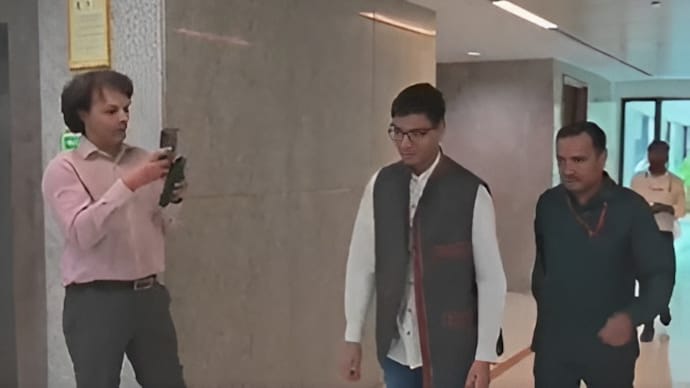
The growing controversy surrounding CBSE's On-Screen Marking (OSM) system entered a crucial phase on Tuesday as affected student Sarthak Sidhant appeared before the Parliamentary Standing Committee on Education, Women, Children, Youth and Sports to present his concerns.
The committee is currently reviewing the implementation of the OSM system in the Class 12 board examinations amid widespread complaints from students and parents regarding alleged evaluation discrepancies, answer-sheet mismatches, technical glitches, and difficulties in the post-result verification process.
The panel had summoned officials from the Ministry of Education and CBSE to examine the issue and hear firsthand accounts from affected students.
STUDENT VOICES REACH PARLIAMENT
Sarthak Sidhant's presentation before the parliamentary panel marks a significant moment in the ongoing OSM controversy, as students directly impacted by the system have been given an opportunity to place their concerns before lawmakers.
The student is expected to highlight issues reported by several candidates following the declaration of Class 12 results, including discrepancies in evaluated answer scripts, concerns over transparency, and the challenges faced while seeking verification and re-evaluation of marks.
The committee's review comes amid growing demands for greater accountability and an independent assessment of the digital evaluation process.
WHAT IS THE OSM SYSTEM?
CBSE introduced On-Screen Marking (OSM) for Class 12 board examinations in 2026 as part of its effort to modernise the evaluation process. Under the system, answer books are digitised and evaluated electronically rather than through conventional physical marking.
The board had projected several benefits, including elimination of totalling errors, faster evaluation, reduced manual intervention, and improved transparency.
However, soon after the results were declared, students began reporting a range of issues, including alleged answer-sheet mismatches, portal glitches, payment failures, and concerns over the accuracy of evaluation. These complaints triggered public debate and attracted the attention of policymakers.
PARLIAMENTARY SCRUTINY AND OFFICIAL RESPONSE
The Parliamentary Standing Committee convened the review meeting to examine both the functioning of the OSM system and the problems faced by students in the aftermath of the results. Officials from the Education Ministry and CBSE were called to explain the implementation of the system and address concerns raised by students and parents.
The controversy has also coincided with CBSE's decision to open its Class 12 re-evaluation and verification portal, allowing students to seek review of their results amid ongoing concerns regarding the digital evaluation process.
GROWING PRESSURE FOR REFORMS
The OSM issue has sparked calls for greater transparency in board examinations, stronger safeguards in digital assessment systems, and a comprehensive review of the transition from traditional evaluation methods. Student groups, parents, and education experts have urged authorities to ensure that no candidate suffers due to technological or procedural shortcomings.
As Parliament examines the matter, the experiences shared by students like Sarthak Sidhant are expected to play a critical role in shaping the committee's recommendations on the future of digital evaluation in India's school examination system.
The appearance of affected students before the Parliamentary Standing Committee underscores the seriousness of the concerns surrounding CBSE's On-Screen Marking system.
With lawmakers, education officials, and students now engaged in direct dialogue, the review process is likely to determine whether corrective measures, policy changes, or wider reforms are required to restore confidence in the country's largest school examination board. For thousands of Class 12 students, the outcome of this scrutiny could have lasting implications for the credibility and fairness of future assessments.
The growing controversy surrounding CBSE's On-Screen Marking (OSM) system entered a crucial phase on Tuesday as affected student Sarthak Sidhant appeared before the Parliamentary Standing Committee on Education, Women, Children, Youth and Sports to present his concerns.
The committee is currently reviewing the implementation of the OSM system in the Class 12 board examinations amid widespread complaints from students and parents regarding alleged evaluation discrepancies, answer-sheet mismatches, technical glitches, and difficulties in the post-result verification process.
The panel had summoned officials from the Ministry of Education and CBSE to examine the issue and hear firsthand accounts from affected students.
STUDENT VOICES REACH PARLIAMENT
Sarthak Sidhant's presentation before the parliamentary panel marks a significant moment in the ongoing OSM controversy, as students directly impacted by the system have been given an opportunity to place their concerns before lawmakers.
The student is expected to highlight issues reported by several candidates following the declaration of Class 12 results, including discrepancies in evaluated answer scripts, concerns over transparency, and the challenges faced while seeking verification and re-evaluation of marks.
The committee's review comes amid growing demands for greater accountability and an independent assessment of the digital evaluation process.
WHAT IS THE OSM SYSTEM?
CBSE introduced On-Screen Marking (OSM) for Class 12 board examinations in 2026 as part of its effort to modernise the evaluation process. Under the system, answer books are digitised and evaluated electronically rather than through conventional physical marking.
The board had projected several benefits, including elimination of totalling errors, faster evaluation, reduced manual intervention, and improved transparency.
However, soon after the results were declared, students began reporting a range of issues, including alleged answer-sheet mismatches, portal glitches, payment failures, and concerns over the accuracy of evaluation. These complaints triggered public debate and attracted the attention of policymakers.
PARLIAMENTARY SCRUTINY AND OFFICIAL RESPONSE
The Parliamentary Standing Committee convened the review meeting to examine both the functioning of the OSM system and the problems faced by students in the aftermath of the results. Officials from the Education Ministry and CBSE were called to explain the implementation of the system and address concerns raised by students and parents.
The controversy has also coincided with CBSE's decision to open its Class 12 re-evaluation and verification portal, allowing students to seek review of their results amid ongoing concerns regarding the digital evaluation process.
GROWING PRESSURE FOR REFORMS
The OSM issue has sparked calls for greater transparency in board examinations, stronger safeguards in digital assessment systems, and a comprehensive review of the transition from traditional evaluation methods. Student groups, parents, and education experts have urged authorities to ensure that no candidate suffers due to technological or procedural shortcomings.
As Parliament examines the matter, the experiences shared by students like Sarthak Sidhant are expected to play a critical role in shaping the committee's recommendations on the future of digital evaluation in India's school examination system.
The appearance of affected students before the Parliamentary Standing Committee underscores the seriousness of the concerns surrounding CBSE's On-Screen Marking system.
With lawmakers, education officials, and students now engaged in direct dialogue, the review process is likely to determine whether corrective measures, policy changes, or wider reforms are required to restore confidence in the country's largest school examination board. For thousands of Class 12 students, the outcome of this scrutiny could have lasting implications for the credibility and fairness of future assessments.

