Two-stage JEE model under consideration for NEET-UG, Centre tells Supreme Court
NEET-UG may undergo its biggest structural changes in years as the Centre considers a JEE-style two-stage format and computer-based testing. The Supreme Court was informed that any reforms will follow expert recommendations and consultations with stakeholders.
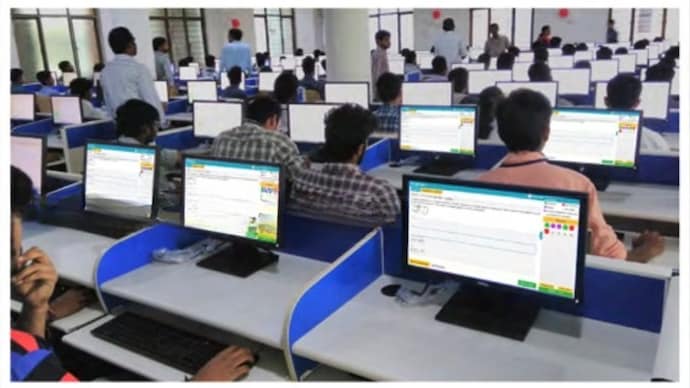
A two-stage NEET-UG on the lines of the Joint Entrance Examination (JEE) and a possible shift to computer-based testing are under active consideration, the Centre has informed the Supreme Court, signalling that India's largest medical entrance examination could undergo its biggest structural overhaul in years.
The Centre made the submission in an affidavit before the apex court, which is hearing a batch of petitions seeking reforms in the National Testing Agency (NTA) following allegations of question paper leaks. The court is scheduled to hear the matter again on August 6.
The affidavit says stakeholders are examining whether NEET-UG should continue as a single-stage examination or adopt a two-stage format similar to JEE Main and JEE Advanced. Alongside this, authorities are also evaluating a transition from the current pen-and-paper mode to computer-based testing.
According to the Centre, no final decision has been taken. The roadmap will be finalised after considering the recommendations of the High-Powered Task Force chaired by Nandan Nilekani, which was constituted to suggest reforms in the examination system.
TASK FORCE TO WEIGH SECURITY, TECHNOLOGY AND EQUITY
The government said the panel brings together experts from technology, space, intelligence, academia and public administration to assess every aspect of the proposed changes. Its recommendations will cover technology, examination security, infrastructure, accessibility, equity and academic considerations before any new model is adopted.
The affidavit also notes that seven of the NTA's eight major examinations have already migrated to computer-based testing with multi-session, multi-day schedules. These include JEE Main, CUET-UG, CUET-PG, UGC-NET and CSIR-NET. NEET-UG remains the only major NTA examination that continues to be conducted in pen-and-paper mode.
NEET'S SCALE MAKES REFORM MORE COMPLEX
The Centre argued that NEET-UG presents unique challenges because of its massive scale and the diversity of candidates. More than 22 lakh students register for the examination, with a majority coming from rural areas and a large proportion being women.
Unlike other entrance tests, NEET-UG serves as the gateway to multiple undergraduate courses, including MBBS, BDS, AYUSH, veterinary science and nursing programmes. The government said these factors make the examination distinct and require any structural changes to be carefully evaluated.
It also clarified that since NEET-UG is conducted on behalf of the Ministry of Health and Family Welfare and regulated by the National Medical Commission (NMC), any changes to the examination format will be implemented only after consultations with both bodies in accordance with the National Medical Commission Act, 2019.
The Centre further assured the Supreme Court that aspirants would receive adequate advance notice before any change in the examination pattern or mode is introduced, ensuring that the transition is smooth and does not place candidates at a disadvantage.
A two-stage NEET-UG on the lines of the Joint Entrance Examination (JEE) and a possible shift to computer-based testing are under active consideration, the Centre has informed the Supreme Court, signalling that India's largest medical entrance examination could undergo its biggest structural overhaul in years.
The Centre made the submission in an affidavit before the apex court, which is hearing a batch of petitions seeking reforms in the National Testing Agency (NTA) following allegations of question paper leaks. The court is scheduled to hear the matter again on August 6.
The affidavit says stakeholders are examining whether NEET-UG should continue as a single-stage examination or adopt a two-stage format similar to JEE Main and JEE Advanced. Alongside this, authorities are also evaluating a transition from the current pen-and-paper mode to computer-based testing.
According to the Centre, no final decision has been taken. The roadmap will be finalised after considering the recommendations of the High-Powered Task Force chaired by Nandan Nilekani, which was constituted to suggest reforms in the examination system.
TASK FORCE TO WEIGH SECURITY, TECHNOLOGY AND EQUITY
The government said the panel brings together experts from technology, space, intelligence, academia and public administration to assess every aspect of the proposed changes. Its recommendations will cover technology, examination security, infrastructure, accessibility, equity and academic considerations before any new model is adopted.
The affidavit also notes that seven of the NTA's eight major examinations have already migrated to computer-based testing with multi-session, multi-day schedules. These include JEE Main, CUET-UG, CUET-PG, UGC-NET and CSIR-NET. NEET-UG remains the only major NTA examination that continues to be conducted in pen-and-paper mode.
NEET'S SCALE MAKES REFORM MORE COMPLEX
The Centre argued that NEET-UG presents unique challenges because of its massive scale and the diversity of candidates. More than 22 lakh students register for the examination, with a majority coming from rural areas and a large proportion being women.
Unlike other entrance tests, NEET-UG serves as the gateway to multiple undergraduate courses, including MBBS, BDS, AYUSH, veterinary science and nursing programmes. The government said these factors make the examination distinct and require any structural changes to be carefully evaluated.
It also clarified that since NEET-UG is conducted on behalf of the Ministry of Health and Family Welfare and regulated by the National Medical Commission (NMC), any changes to the examination format will be implemented only after consultations with both bodies in accordance with the National Medical Commission Act, 2019.
The Centre further assured the Supreme Court that aspirants would receive adequate advance notice before any change in the examination pattern or mode is introduced, ensuring that the transition is smooth and does not place candidates at a disadvantage.
A two-stage NEET-UG on the lines of the Joint Entrance Examination (JEE) and a possible shift to computer-based testing are under active consideration, the Centre has informed the Supreme Court, signalling that India's largest medical entrance examination could undergo its biggest structural overhaul in years.
The Centre made the submission in an affidavit before the apex court, which is hearing a batch of petitions seeking reforms in the National Testing Agency (NTA) following allegations of question paper leaks. The court is scheduled to hear the matter again on August 6.
The affidavit says stakeholders are examining whether NEET-UG should continue as a single-stage examination or adopt a two-stage format similar to JEE Main and JEE Advanced. Alongside this, authorities are also evaluating a transition from the current pen-and-paper mode to computer-based testing.
According to the Centre, no final decision has been taken. The roadmap will be finalised after considering the recommendations of the High-Powered Task Force chaired by Nandan Nilekani, which was constituted to suggest reforms in the examination system.
TASK FORCE TO WEIGH SECURITY, TECHNOLOGY AND EQUITY
The government said the panel brings together experts from technology, space, intelligence, academia and public administration to assess every aspect of the proposed changes. Its recommendations will cover technology, examination security, infrastructure, accessibility, equity and academic considerations before any new model is adopted.
The affidavit also notes that seven of the NTA's eight major examinations have already migrated to computer-based testing with multi-session, multi-day schedules. These include JEE Main, CUET-UG, CUET-PG, UGC-NET and CSIR-NET. NEET-UG remains the only major NTA examination that continues to be conducted in pen-and-paper mode.
NEET'S SCALE MAKES REFORM MORE COMPLEX
The Centre argued that NEET-UG presents unique challenges because of its massive scale and the diversity of candidates. More than 22 lakh students register for the examination, with a majority coming from rural areas and a large proportion being women.
Unlike other entrance tests, NEET-UG serves as the gateway to multiple undergraduate courses, including MBBS, BDS, AYUSH, veterinary science and nursing programmes. The government said these factors make the examination distinct and require any structural changes to be carefully evaluated.
It also clarified that since NEET-UG is conducted on behalf of the Ministry of Health and Family Welfare and regulated by the National Medical Commission (NMC), any changes to the examination format will be implemented only after consultations with both bodies in accordance with the National Medical Commission Act, 2019.
The Centre further assured the Supreme Court that aspirants would receive adequate advance notice before any change in the examination pattern or mode is introduced, ensuring that the transition is smooth and does not place candidates at a disadvantage.

