AIIMS spine surgery technique for severe deformities finds takers abroad
AIIMS in New Delhi has developed a modified spinal surgery technique now being adopted abroad. The method has improved stability and outcomes for patients with severe deformities.
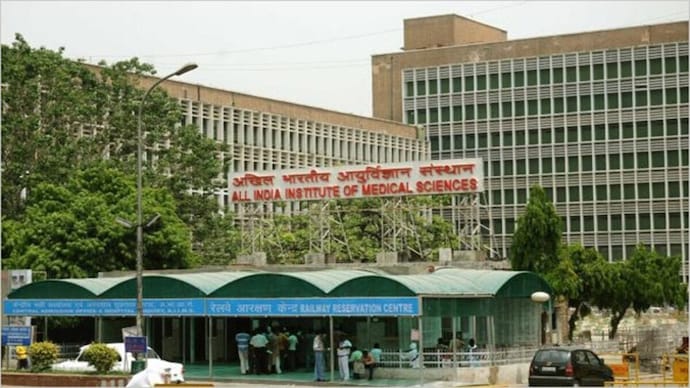
A surgical technique pioneered at the All India Institute of Medical Sciences (AIIMS) in New Delhi – to treat patients with severe spinal deformities and help them lead normal lives – is now being adopted beyond India.
The technique, a modified form of posterior vertebral column resection (PVCR), a complex operation used for correcting rigid and life-altering spinal deformities, was developed by senior orthopaedician Dr Bhavuk Garg.
A study first published in 2020 showing the efficacy of the technique said that the modified method preserves certain posterior spinal elements until later stages of surgery, helping improve stability during correction and potentially reducing complications.
Doctors at AIIMS said that over the past seven years, the procedure has brought new hope to patients who earlier faced extremely high surgical risks and limited treatment options.
HOW IS IT DIFFERENT
Doctors say patients with severe deformities often arrive with twisted spines, breathing difficulty, chronic pain, inability to stand upright, and profound social stigma. Earlier correction methods for such extreme cases were associated with significant complication risks.
Clinicians familiar with the AIIMS approach say refinements in technique, planning, and execution have dramatically improved safety outcomes.
“In the past, these surgeries were feared because of the possibility of major neurological or life-threatening complications. Today, with better technique and experience, outcomes have improved remarkably,” said a senior orthopaedic surgeon.
Patients who once struggled to walk, sit comfortably, or participate in normal daily life are now returning to school, work, and family life after surgery. Families describe the transformation as nothing short of life-changing.
The AIIMS-developed method has also drawn attention from spine surgeons beyond India, adding to the country’s growing reputation in advanced orthopaedic and spinal care.
Over seven years of clinical use, the innovation is increasingly being viewed as a blessing for patients with some of the most difficult deformities to treat.
For many who had lost hope, a straighter spine has also meant restored confidence, dignity, and a second chance at normal life.
A surgical technique pioneered at the All India Institute of Medical Sciences (AIIMS) in New Delhi – to treat patients with severe spinal deformities and help them lead normal lives – is now being adopted beyond India.
The technique, a modified form of posterior vertebral column resection (PVCR), a complex operation used for correcting rigid and life-altering spinal deformities, was developed by senior orthopaedician Dr Bhavuk Garg.
A study first published in 2020 showing the efficacy of the technique said that the modified method preserves certain posterior spinal elements until later stages of surgery, helping improve stability during correction and potentially reducing complications.
Doctors at AIIMS said that over the past seven years, the procedure has brought new hope to patients who earlier faced extremely high surgical risks and limited treatment options.
HOW IS IT DIFFERENT
Doctors say patients with severe deformities often arrive with twisted spines, breathing difficulty, chronic pain, inability to stand upright, and profound social stigma. Earlier correction methods for such extreme cases were associated with significant complication risks.
Clinicians familiar with the AIIMS approach say refinements in technique, planning, and execution have dramatically improved safety outcomes.
“In the past, these surgeries were feared because of the possibility of major neurological or life-threatening complications. Today, with better technique and experience, outcomes have improved remarkably,” said a senior orthopaedic surgeon.
Patients who once struggled to walk, sit comfortably, or participate in normal daily life are now returning to school, work, and family life after surgery. Families describe the transformation as nothing short of life-changing.
The AIIMS-developed method has also drawn attention from spine surgeons beyond India, adding to the country’s growing reputation in advanced orthopaedic and spinal care.
Over seven years of clinical use, the innovation is increasingly being viewed as a blessing for patients with some of the most difficult deformities to treat.
For many who had lost hope, a straighter spine has also meant restored confidence, dignity, and a second chance at normal life.

