Low good cholesterol biggest driver of India's lipid crisis
A new ICMR-MDRF study has found dyslipidemia in 87.3% of Indian adults, largely driven by low HDL levels. The findings suggest millions without obesity, diabetes or hypertension may be missed by current heart-risk screening.
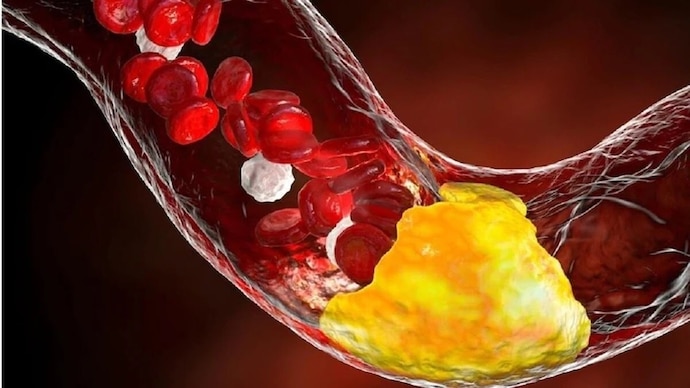
A landmark new national study by the Indian Council of Medical Research (ICMR) and the Madras Diabetes Research Foundation (MDRF), part of their INDIAB series, has now found that nearly nine out of 10 Indian adults (87.3%) have dyslipidemia, an umbrella term for abnormal levels of blood fats.
At first glance, the figure appears staggering enough to suggest that almost every Indian adult is on the brink of cardiovascular disease.
The reality, however, is more nuanced, and perhaps more revealing. The overwhelming contributor to this alarming prevalence is not high LDL cholesterol but low levels of high-density lipoprotein (HDL), the "good" cholesterol that helps remove excess cholesterol from the bloodstream.
The study published in the Journal of Clinical Lipidology found that low HDL affects 66.8% of Indians, making it by far the most common lipid abnormality in the country.
Veteran diabetologist and study co-author Dr V Mohan told India Today the finding reflects a long-recognised biological pattern among South Asians rather than a sudden explosion of high cholesterol alone.
“If low HDL is excluded from the definition, the prevalence of dyslipidemia falls sharply to around 30-35%, underscoring just how dominant this single abnormality is in India's lipid profile,” he underlined.
BEYOND BAD CHOLESTEROL
The ICMR-INDIAB study, one of the largest nationally representative metabolic health surveys conducted in the country, estimates that around 21.3 crore Indians have high total cholesterol, while 18.5 crore have elevated LDL cholesterol. Yet the country's distinctive lipid signature is characterised by a combination of low HDL and high triglycerides rather than LDL alone.
According to Dr Mohan, this pattern is closely linked to the "Asian Indian phenotype" – a metabolic profile that makes South Asians particularly vulnerable to cardiovascular disease. The tendency is partly genetic but is also fuelled by diets dominated by refined carbohydrates.
Excessive carbohydrate intake pushes triglyceride levels higher while simultaneously driving HDL levels down, creating a combination that accelerates coronary artery disease, often at younger ages than seen in many other populations.
That helps explain why the study found dyslipidemia peaking among adults aged 30 to 39 years, indicating that cardiovascular risk is taking root much earlier in life.
Women were also disproportionately affected, with 91.1% showing some form of dyslipidemia compared with 83.5% of men. Urban India continues to record a slightly higher prevalence than rural India-89% versus 86.5% – although the narrowing gap reflects changing lifestyles, increasing consumption of ultra-processed foods and declining physical activity across the country.
The findings also reinforce that India's heart disease epidemic cannot be understood simply by focusing on obesity or diabetes. While those conditions remain major drivers of cardiovascular risk, lipid abnormalities are now widespread across the population.
MILLIONS INVISIBLE TO SCREENING
Perhaps the study's most concerning finding is that an estimated 35.4 crore Indians with dyslipidemia appear metabolically "healthy". They have neither diabetes nor hypertension nor obesity, the very conditions that typically trigger cholesterol testing in routine clinical practice.
In other words, nearly 40% of people with abnormal lipid levels are likely to escape current screening strategies despite quietly accumulating cardiovascular risk over time.
This hidden burden raises important questions for India's prevention strategy. Current screening protocols often prioritise people who are overweight or already living with metabolic diseases.
But the new data suggest that relying solely on traditional risk factors could leave hundreds of millions undiagnosed until they present with a heart attack or stroke.
The study's authors argue that lipid screening needs to move beyond conventional high-risk groups and become far more widespread, particularly because South Asians develop cardiovascular disease at lower body weights and younger ages than many Western populations.
The encouraging message, however, is that much of this risk remains modifiable. Dr Mohan noted that reducing refined carbohydrate intake and increasing dietary protein can help lower triglycerides while raising HDL levels. Regular physical activity also improves HDL.
For those with elevated LDL cholesterol, reducing saturated fats such as palm and coconut oil and replacing them with monounsaturated fats – including groundnut, mustard and sesame oils – can improve lipid profiles.
Good diabetes control is equally critical because poorly controlled diabetes drives triglycerides even higher while suppressing HDL further.
Where lifestyle measures are insufficient, medicines such as statins remain an important part of treatment.
The study arrives as cardiovascular disease continues to be India's leading cause of death, with projections suggesting the burden will rise further over the coming decades.
A landmark new national study by the Indian Council of Medical Research (ICMR) and the Madras Diabetes Research Foundation (MDRF), part of their INDIAB series, has now found that nearly nine out of 10 Indian adults (87.3%) have dyslipidemia, an umbrella term for abnormal levels of blood fats.
At first glance, the figure appears staggering enough to suggest that almost every Indian adult is on the brink of cardiovascular disease.
The reality, however, is more nuanced, and perhaps more revealing. The overwhelming contributor to this alarming prevalence is not high LDL cholesterol but low levels of high-density lipoprotein (HDL), the "good" cholesterol that helps remove excess cholesterol from the bloodstream.
The study published in the Journal of Clinical Lipidology found that low HDL affects 66.8% of Indians, making it by far the most common lipid abnormality in the country.
Veteran diabetologist and study co-author Dr V Mohan told India Today the finding reflects a long-recognised biological pattern among South Asians rather than a sudden explosion of high cholesterol alone.
“If low HDL is excluded from the definition, the prevalence of dyslipidemia falls sharply to around 30-35%, underscoring just how dominant this single abnormality is in India's lipid profile,” he underlined.
BEYOND BAD CHOLESTEROL
The ICMR-INDIAB study, one of the largest nationally representative metabolic health surveys conducted in the country, estimates that around 21.3 crore Indians have high total cholesterol, while 18.5 crore have elevated LDL cholesterol. Yet the country's distinctive lipid signature is characterised by a combination of low HDL and high triglycerides rather than LDL alone.
According to Dr Mohan, this pattern is closely linked to the "Asian Indian phenotype" – a metabolic profile that makes South Asians particularly vulnerable to cardiovascular disease. The tendency is partly genetic but is also fuelled by diets dominated by refined carbohydrates.
Excessive carbohydrate intake pushes triglyceride levels higher while simultaneously driving HDL levels down, creating a combination that accelerates coronary artery disease, often at younger ages than seen in many other populations.
That helps explain why the study found dyslipidemia peaking among adults aged 30 to 39 years, indicating that cardiovascular risk is taking root much earlier in life.
Women were also disproportionately affected, with 91.1% showing some form of dyslipidemia compared with 83.5% of men. Urban India continues to record a slightly higher prevalence than rural India-89% versus 86.5% – although the narrowing gap reflects changing lifestyles, increasing consumption of ultra-processed foods and declining physical activity across the country.
The findings also reinforce that India's heart disease epidemic cannot be understood simply by focusing on obesity or diabetes. While those conditions remain major drivers of cardiovascular risk, lipid abnormalities are now widespread across the population.
MILLIONS INVISIBLE TO SCREENING
Perhaps the study's most concerning finding is that an estimated 35.4 crore Indians with dyslipidemia appear metabolically "healthy". They have neither diabetes nor hypertension nor obesity, the very conditions that typically trigger cholesterol testing in routine clinical practice.
In other words, nearly 40% of people with abnormal lipid levels are likely to escape current screening strategies despite quietly accumulating cardiovascular risk over time.
This hidden burden raises important questions for India's prevention strategy. Current screening protocols often prioritise people who are overweight or already living with metabolic diseases.
But the new data suggest that relying solely on traditional risk factors could leave hundreds of millions undiagnosed until they present with a heart attack or stroke.
The study's authors argue that lipid screening needs to move beyond conventional high-risk groups and become far more widespread, particularly because South Asians develop cardiovascular disease at lower body weights and younger ages than many Western populations.
The encouraging message, however, is that much of this risk remains modifiable. Dr Mohan noted that reducing refined carbohydrate intake and increasing dietary protein can help lower triglycerides while raising HDL levels. Regular physical activity also improves HDL.
For those with elevated LDL cholesterol, reducing saturated fats such as palm and coconut oil and replacing them with monounsaturated fats – including groundnut, mustard and sesame oils – can improve lipid profiles.
Good diabetes control is equally critical because poorly controlled diabetes drives triglycerides even higher while suppressing HDL further.
Where lifestyle measures are insufficient, medicines such as statins remain an important part of treatment.
The study arrives as cardiovascular disease continues to be India's leading cause of death, with projections suggesting the burden will rise further over the coming decades.
A landmark new national study by the Indian Council of Medical Research (ICMR) and the Madras Diabetes Research Foundation (MDRF), part of their INDIAB series, has now found that nearly nine out of 10 Indian adults (87.3%) have dyslipidemia, an umbrella term for abnormal levels of blood fats.
At first glance, the figure appears staggering enough to suggest that almost every Indian adult is on the brink of cardiovascular disease.
The reality, however, is more nuanced, and perhaps more revealing. The overwhelming contributor to this alarming prevalence is not high LDL cholesterol but low levels of high-density lipoprotein (HDL), the "good" cholesterol that helps remove excess cholesterol from the bloodstream.
The study published in the Journal of Clinical Lipidology found that low HDL affects 66.8% of Indians, making it by far the most common lipid abnormality in the country.
Veteran diabetologist and study co-author Dr V Mohan told India Today the finding reflects a long-recognised biological pattern among South Asians rather than a sudden explosion of high cholesterol alone.
“If low HDL is excluded from the definition, the prevalence of dyslipidemia falls sharply to around 30-35%, underscoring just how dominant this single abnormality is in India's lipid profile,” he underlined.
BEYOND BAD CHOLESTEROL
The ICMR-INDIAB study, one of the largest nationally representative metabolic health surveys conducted in the country, estimates that around 21.3 crore Indians have high total cholesterol, while 18.5 crore have elevated LDL cholesterol. Yet the country's distinctive lipid signature is characterised by a combination of low HDL and high triglycerides rather than LDL alone.
According to Dr Mohan, this pattern is closely linked to the "Asian Indian phenotype" – a metabolic profile that makes South Asians particularly vulnerable to cardiovascular disease. The tendency is partly genetic but is also fuelled by diets dominated by refined carbohydrates.
Excessive carbohydrate intake pushes triglyceride levels higher while simultaneously driving HDL levels down, creating a combination that accelerates coronary artery disease, often at younger ages than seen in many other populations.
That helps explain why the study found dyslipidemia peaking among adults aged 30 to 39 years, indicating that cardiovascular risk is taking root much earlier in life.
Women were also disproportionately affected, with 91.1% showing some form of dyslipidemia compared with 83.5% of men. Urban India continues to record a slightly higher prevalence than rural India-89% versus 86.5% – although the narrowing gap reflects changing lifestyles, increasing consumption of ultra-processed foods and declining physical activity across the country.
The findings also reinforce that India's heart disease epidemic cannot be understood simply by focusing on obesity or diabetes. While those conditions remain major drivers of cardiovascular risk, lipid abnormalities are now widespread across the population.
MILLIONS INVISIBLE TO SCREENING
Perhaps the study's most concerning finding is that an estimated 35.4 crore Indians with dyslipidemia appear metabolically "healthy". They have neither diabetes nor hypertension nor obesity, the very conditions that typically trigger cholesterol testing in routine clinical practice.
In other words, nearly 40% of people with abnormal lipid levels are likely to escape current screening strategies despite quietly accumulating cardiovascular risk over time.
This hidden burden raises important questions for India's prevention strategy. Current screening protocols often prioritise people who are overweight or already living with metabolic diseases.
But the new data suggest that relying solely on traditional risk factors could leave hundreds of millions undiagnosed until they present with a heart attack or stroke.
The study's authors argue that lipid screening needs to move beyond conventional high-risk groups and become far more widespread, particularly because South Asians develop cardiovascular disease at lower body weights and younger ages than many Western populations.
The encouraging message, however, is that much of this risk remains modifiable. Dr Mohan noted that reducing refined carbohydrate intake and increasing dietary protein can help lower triglycerides while raising HDL levels. Regular physical activity also improves HDL.
For those with elevated LDL cholesterol, reducing saturated fats such as palm and coconut oil and replacing them with monounsaturated fats – including groundnut, mustard and sesame oils – can improve lipid profiles.
Good diabetes control is equally critical because poorly controlled diabetes drives triglycerides even higher while suppressing HDL further.
Where lifestyle measures are insufficient, medicines such as statins remain an important part of treatment.
The study arrives as cardiovascular disease continues to be India's leading cause of death, with projections suggesting the burden will rise further over the coming decades.

